The British Columbia government has reached a significant settlement in a class-action lawsuit concerning the use of solitary confinement in provincial correctional facilities, totaling up to $60 million. The B.C. Supreme Court approved this settlement in October 2023, marking a resolution to claims that had been initiated over seven years ago, relating to alleged mistreatment of inmates due to policies regarding segregation. The lawsuit contended that the use of solitary confinement constituted "cruel, inhumane and degrading treatment." The claims period for affected individuals commenced in January 2026.
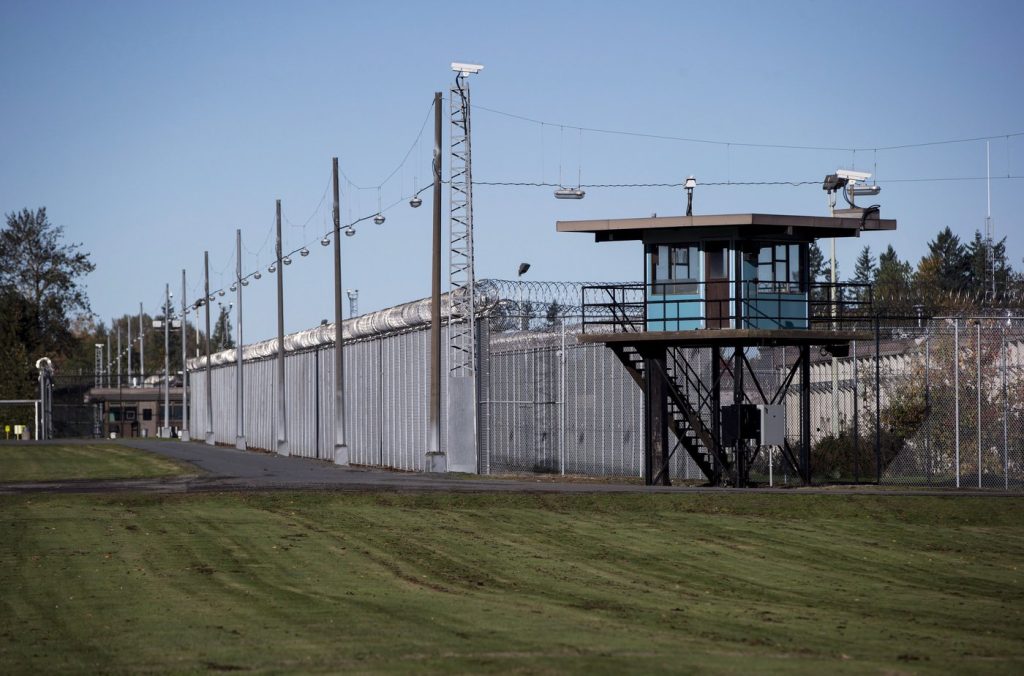
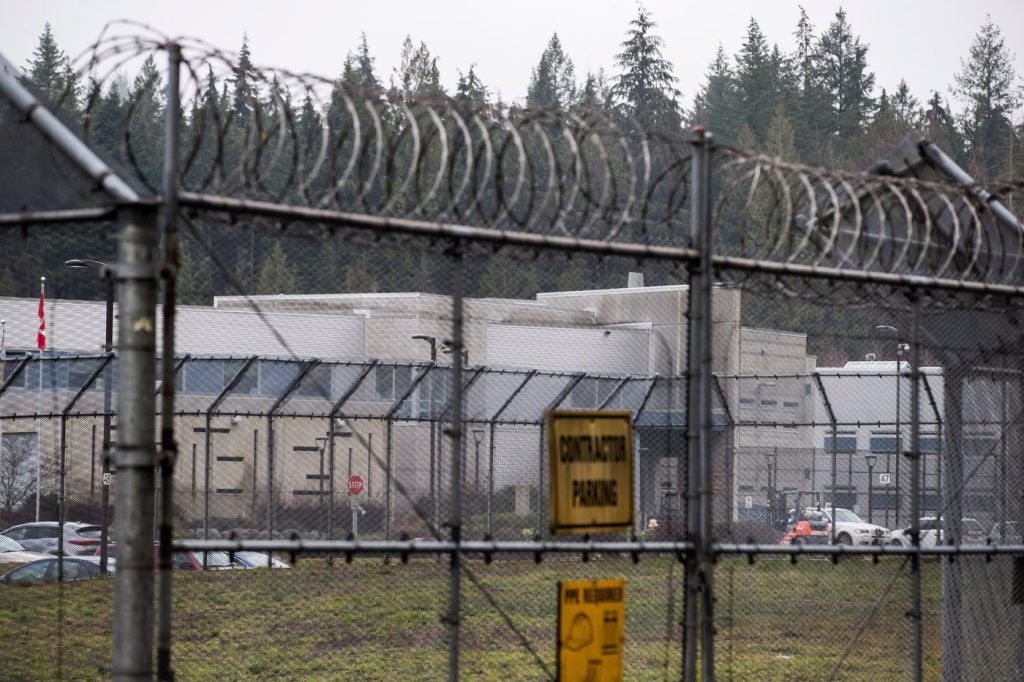
Notably, plaintiff Neveah North, who was previously known as Cody Cragg, was among those who experienced time in segregation while incarcerated at the Prince George Regional Correctional Centre from April 2014 to May 2018. The allegations asserted not only systemic mistreatment of inmates but also instances of torture when individuals were placed in solitary confinement. The correctional facilities implicated in the settlement agreement include several centres such as the Alouette Correctional Centre for Women, Fraser, Kamloops, Prince George, Vancouver Island regional correctional centres, North Fraser Pretrial Centre, Surrey Pretrial Services Centre, Ford Mountain, Nanaimo, and Okanagan correctional centres.
The financial breakdown of the settlement includes $30 million dedicated to a "common experience fund" and an additional $25 million allocated for a "serious harms fund." If the number of eligible claims exceeds 2,500 for serious harms, this fund will be increased by $5 million. This agreement is not solely financial; it also encompasses provisions aimed at reforming segregation practices to enhance the conditions associated with separate confinement. Moreover, representatives from the government and the plaintiffs' legal team will convene every three months for the next two years to discuss ongoing policy reforms.
Among the reform initiatives is a requirement for inmates removed from the general prison population to have "meaningful and constitutionally compliant time out of cell." Further, there is an emphasis on improving screening processes for prisoners who suffer from serious mental illnesses. The settlement mandates that a report be submitted to the court within two years, detailing any implemented reforms by BC Corrections.
Documents released online regarding the claims indicate that the class includes individuals who have served time in a British Columbia jail and spent 15 or more consecutive days in segregation, as well as inmates diagnosed with mental illnesses held in solitary confinement between April 2005 and October 2025. The legal notice stipulates that eligible class members may receive up to $91,000 if they submit a claim by January 11, 2027. Specifically, up to $85,000 could be awarded to those who have experienced serious harms, while additional payouts may be available for those subjected to "prolonged" confinement or those with serious mental health issues.
Eligible serious harms include a new mental illness diagnosis occurring within 90 days of solitary confinement, self-injury during a time in segregation, or a suicide attempt during or within 60 days of segregation. The case underscores the critical issues surrounding inmate treatment and the policies governing solitary confinement, prompting necessary discussions about the treatment of incarcerated individuals in British Columbia.