DUBAI, United Arab Emirates (AP) – A U.S.-based activist agency reported on Sunday that at least 3,919 deaths have been verified during a intense wave of protests in Iran, which has led to a severe crackdown by the government. This toll represents a significant increase from the previous figure of 3,308 and marks the deadliest period of unrest in Iran in decades, reminiscent of the tumult surrounding the 1979 revolution.
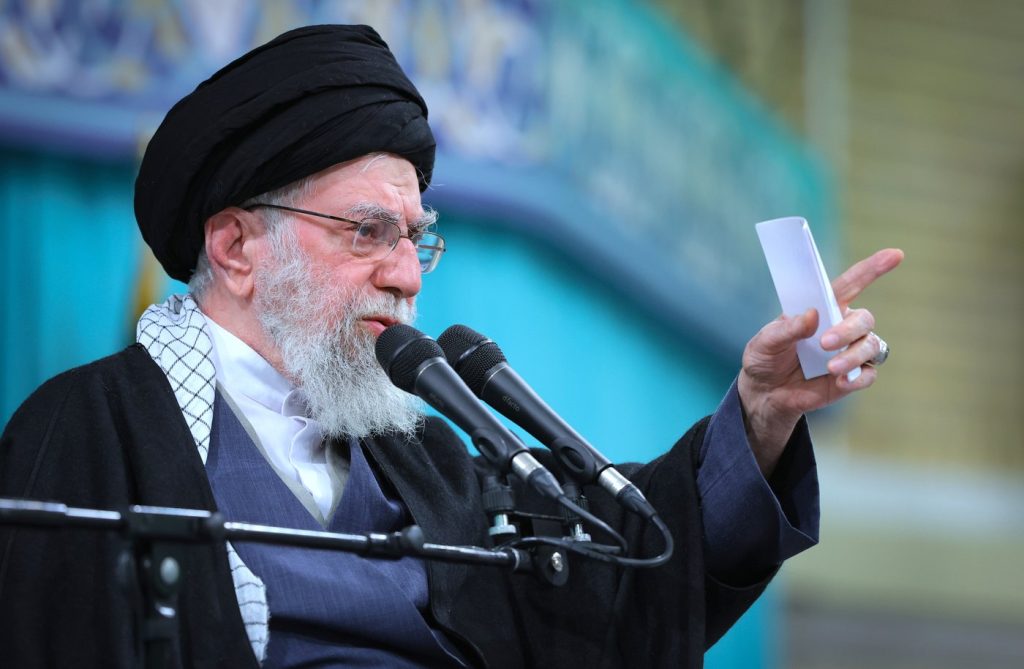
The Human Rights Activists News Agency, which has maintained an accurate reporting record throughout ongoing demonstrations, relies on a network of activists inside Iran to confirm casualties. However, the Associated Press has not independently verified this latest death toll. Iranian officials have not provided a comprehensive figure; on Saturday, Iran’s Supreme Leader Ayatollah Ali Khamenei indicated that the protests had resulted in "several thousand" deaths, attributing the blame to the United States for these casualties. This comment marked the first acknowledgment from an Iranian leader regarding the magnitude of fatalities from the protests that began on December 28 over the country’s struggling economy.
The same agency reported that approximately 24,669 protesters have been arrested amid the crackdown. Iranian authorities have persistently accused the U.S. and Israel of instigating unrest within the nation, further escalating tensions between Iran and the United States. President Donald Trump has repeatedly threatened military action against Tehran should it be discovered that the Iranian regime was using lethal force against anti-government demonstrators.
In a statement made public on Sunday, Iranian President Masoud Pezeshkian condemned the U.S. and its allies, attributing any difficulties facing the Iranian populace to "longstanding enmity and inhumane sanctions." He declared that any aggression directed at the Supreme Leader would equate to a declaration of war against the Iranian nation.
During the protests, Trump had expressed support for demonstrators, stating that "help is on the way" and that his administration would "act accordingly" if the killings continued or if Iranian authorities proceeded to execute detained protesters. Yet, he later adopted a more conciliatory demeanor, noting that Iranian officials had reportedly postponed the execution of over 800 individuals, expressing respect for this decision.
Family members of detained protesters, such as 26-year-old Erfan Soltani, reported that he is in good health and contacted his family shortly after a planned execution was postponed. A relative of Soltani living abroad, identified only as Somayeh for fear of retribution, urged the international community to assist in securing his release following misinformation regarding the timing of his execution.
On Saturday, Khamenei labeled Trump a "criminal" for endorsing the protests, holding the U.S. responsible for the death toll and describing protesters as "foot soldiers" of the United States. Trump, in an interview with Politico, called for an end to Khamenei’s nearly 40-year leadership, criticizing his governance and calling him a "sick man."
Currently, no protests have been reported for several days in Iran, leading to an uneasy calm throughout the streets. However, some individuals have been expressing dissent by chanting anti-Khamenei slogans from their residences during the night in various cities such as Tehran, Shiraz, and Isfahan. Since January 8, authorities have restricted internet access, although limited services began to function again briefly on Saturday, with some platforms like Google reportedly becoming accessible by Sunday. Nonetheless, many users continue to face significant limitations, as domestic services remain the only ones available while email services remain blocked.