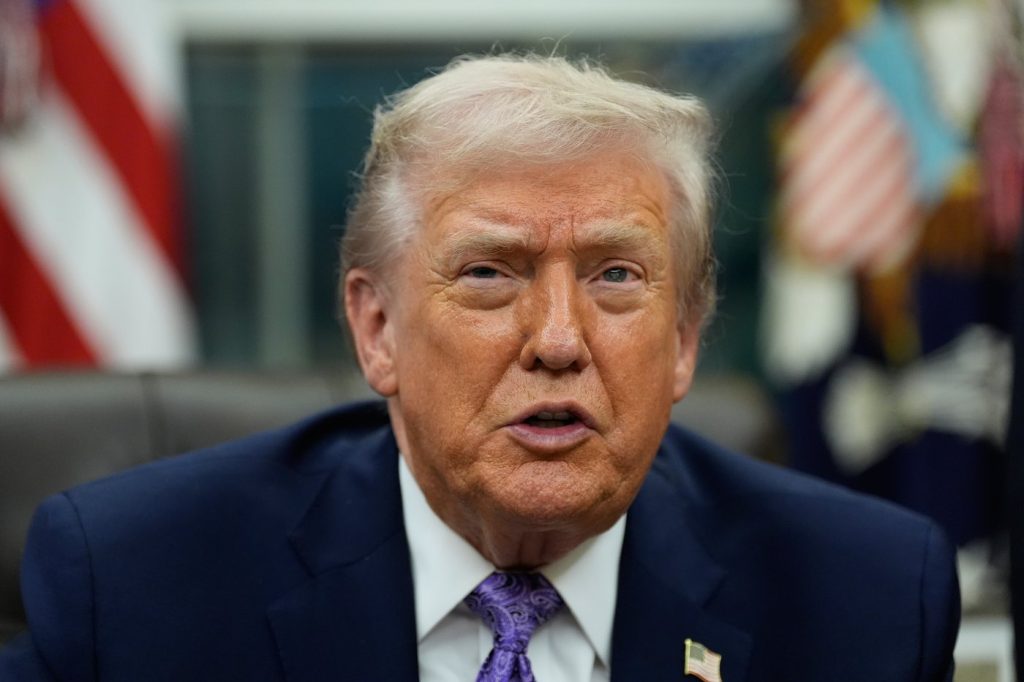
At least eight additional countries have been invited by the United States to join President Donald Trump's newly established Board of Peace, a group of international leaders tasked with overseeing future steps regarding the situation in Gaza. Two of these countries, Hungary and Vietnam, have confirmed their acceptance of the invitation.
According to a U.S. official who spoke anonymously, a contribution of $1 billion grants a country permanent membership on the board, as opposed to a temporary three-year appointment that has no funding requirement. The funds raised are intended for the reconstruction of Gaza.
Hungarian Prime Minister Viktor Orbán has publicly accepted the invitation, with Foreign Minister Péter Szijjártó making the announcement on state radio. Orbán is known for being one of Trump’s strongest allies in Europe. Vietnam’s Communist Party chief, To Lam, has also accepted the invitation, as noted in a statement from the Vietnamese foreign ministry.
In addition, India has received an invitation, according to a knowledgeable senior government official. Australia has also been invited and is currently evaluating the implications of joining the board, as stated by Deputy Prime Minister Richard Marles on Australian Broadcasting Corp.
Other countries that have reported receiving invitations include Jordan, Greece, Cyprus, and Pakistan. Previous confirmations of invitations have come from Canada, Turkey, Egypt, Paraguay, Argentina, and Albania. The total number of countries invited remains unclear.
The United States is expected to make its official announcement regarding the list of board members shortly, likely during the World Economic Forum meeting in Davos, Switzerland.
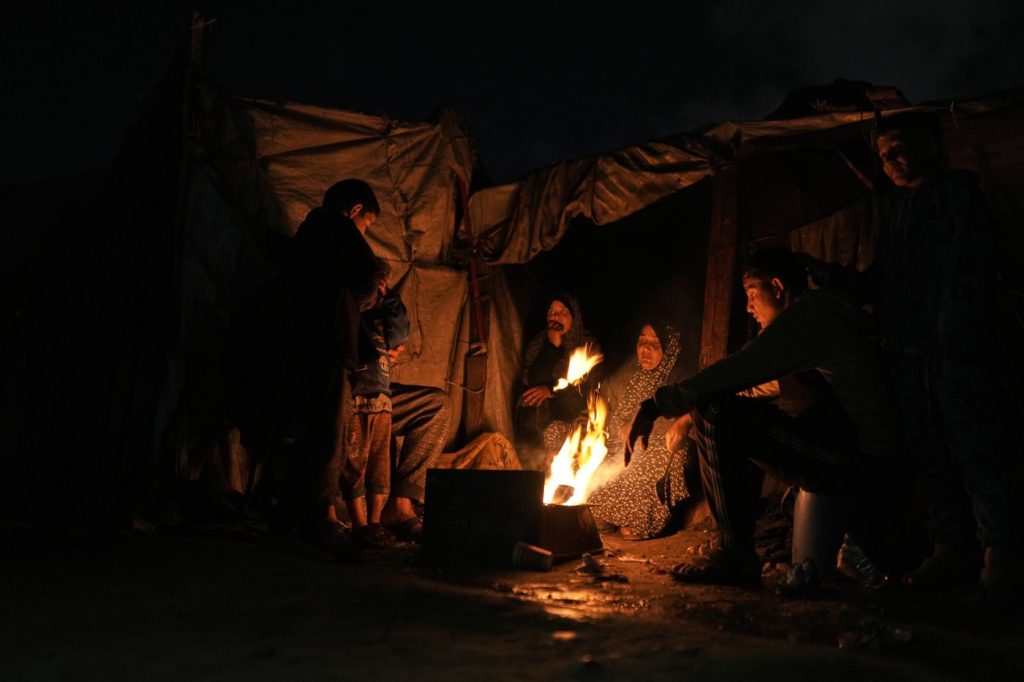
Members of the Board of Peace will have the authority to oversee subsequent actions in Gaza, especially following the ceasefire that began on October 10. The responsibilities include managing the establishment of a new Palestinian committee, deploying an international security force, disarming Hamas, and leading the reconstruction of the heavily damaged area.
In letters sent to world leaders, Trump described the Board of Peace as embarking on a "bold new approach to resolving global conflict." This initiative could potentially challenge the authority of the United Nations Security Council, which is traditionally the most influential body within the U.N. system. The 15-member council has been obstructed by vetoes from the U.S., which has hindered effective action to resolve the conflict in Gaza. Moreover, the U.N. has faced diminished influence due to significant funding cuts from the Trump administration and other contributors.
Trump's invitation letters highlighted that the Security Council had backed the U.S. 20-point ceasefire plan, which included the establishment of the Board. Some of the invitation letters have been shared publicly on social media by various invitees.
In a related announcement, the White House unveiled an executive committee of leaders designed to implement the vision of the Board of Peace. However, Israel expressed objections, stating that the committee was not coordinated with them and contradicted their policy, although no further details were provided. Such criticism from a close U.S. ally is considered unusual.
The executive committee will include prominent figures such as U.S. Secretary of State Rubio, Trump envoy Steve Witkoff, Jared Kushner, former British Prime Minister Tony Blair, World Bank President Ajay Banga, and Trump’s deputy national security adviser Robert Gabriel. It will also contain representatives from Qatar, Egypt, and Turkey, with Turkey’s role being particularly pivotal given its complex relationship with Israel and its established ties with Hamas.