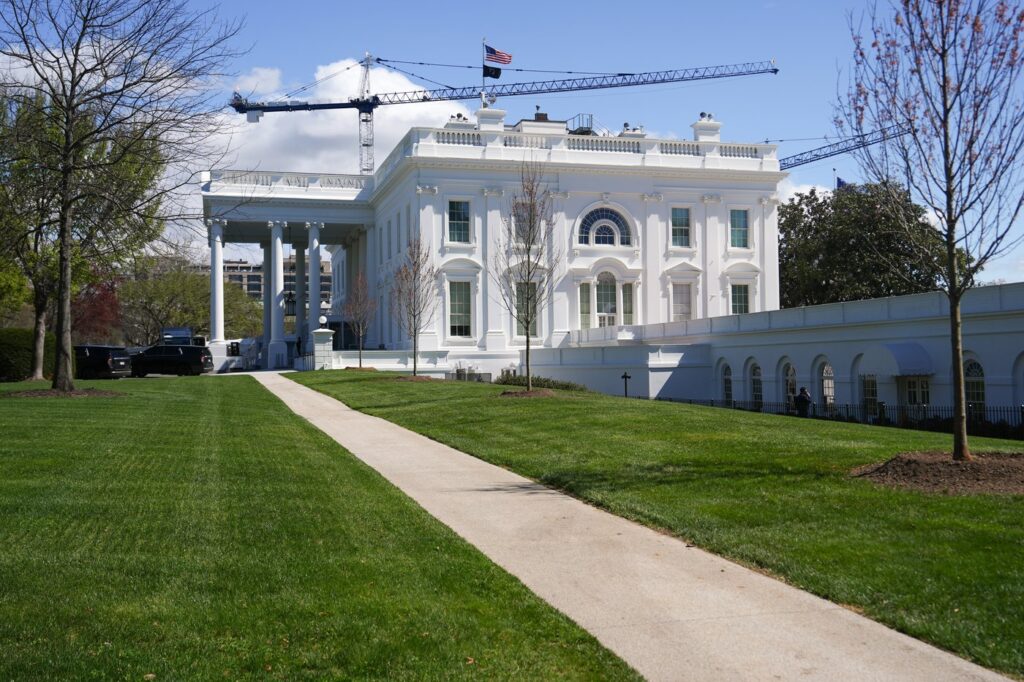
A federal judge in Washington, D.C., issued a ruling on Tuesday that halts the Trump administration's $400 million ballroom construction project at the White House, specifically barring work from proceeding without congressional approval. U.S. District Judge Richard Leon granted a preliminary injunction requested by the National Trust for Historic Preservation, which argued that the president lacked the authority to proceed with such a significant alteration to the historic site.
Judge Leon, who was nominated by Republican President George W. Bush, expressed concerns that the administration's claims of authority to undertake this renovation were unfounded. He emphasized that the president is a steward of the White House for future generations and does not own the property outright. His remarks underscored the traditional oversight role of Congress in managing alterations to the iconic residence.
This ruling marks a significant pushback against President Donald Trump’s ambitious plans to renovate the White House, which had already involved the demolition of the East Wing. The ballroom project is poised to be the most extensive structural change to the White House since President Harry Truman added a balcony in the 1950s. The judge’s decision comes just days before the National Capital Planning Commission was expected to approve the construction's addition, marking the urgency of the preservationist group’s concerns.
While halting the ballroom project, Judge Leon allowed for exemptions concerning construction work necessary for the safety and security of the White House. He cited no imminent national security risks that would justify the continuation of the renovation without the appropriate legislative approvals. This illustrated a careful consideration of both historical integrity and governmental operations during his ruling.
President Trump took to social media to decry the lawsuit against his administration, claiming that the project was being funded entirely through private donations and did not cost taxpayers. His dismissive remarks reflected a broader strategy of emphasizing private funding to bypass traditional oversight measures. The National Trust for Historic Preservation’s lawsuit aimed to ensure that the project would undergo multiple independent reviews before moving forward, holding the administration accountable for its actions regarding the historic property.
Initially, on February 26, Judge Leon rejected the preservationists’ earlier attempt to halt the ballroom's construction. However, he later acknowledged the weight of their claims and allowed them to amend their lawsuit, resulting in the temporary injunction. During a March 17 hearing, Leon acknowledged that construction was imminent, with significant preparations already in place for what was intended to be a major addition to the White House facilities.
Throughout the proceedings, Judge Leon expressed skepticism toward the government’s shifting legal arguments and their attempts to liken the ballroom project to previous, less controversial renovations. He asserted that the scale of the current proposal is fundamentally different from past actions taken by previous administrations. The administration, conversely, argued that prior renovation projects were completed without requiring congressional consent, framing their current situation as similar.
The ongoing renovation efforts by the Trump administration at the White House also include various other alterations, such as the construction of a patio near the Rose Garden and extensive interior enhancements. The president has expressed a desire to leave a lasting legacy on the property, further complicating the legal and public relations dimensions of the current lawsuit.
As the case develops, it will be crucial to monitor the actions of both the Trump administration and the National Trust for Historic Preservation, as they navigate the intersection of historical preservation and executive power concerning one of the nation’s most prominent landmarks.