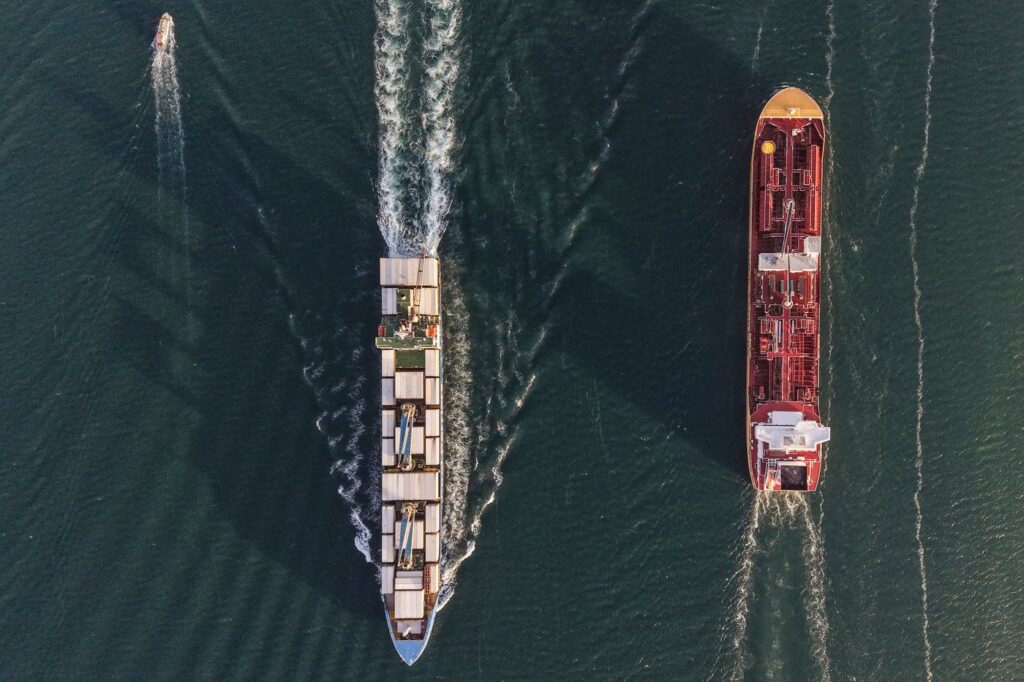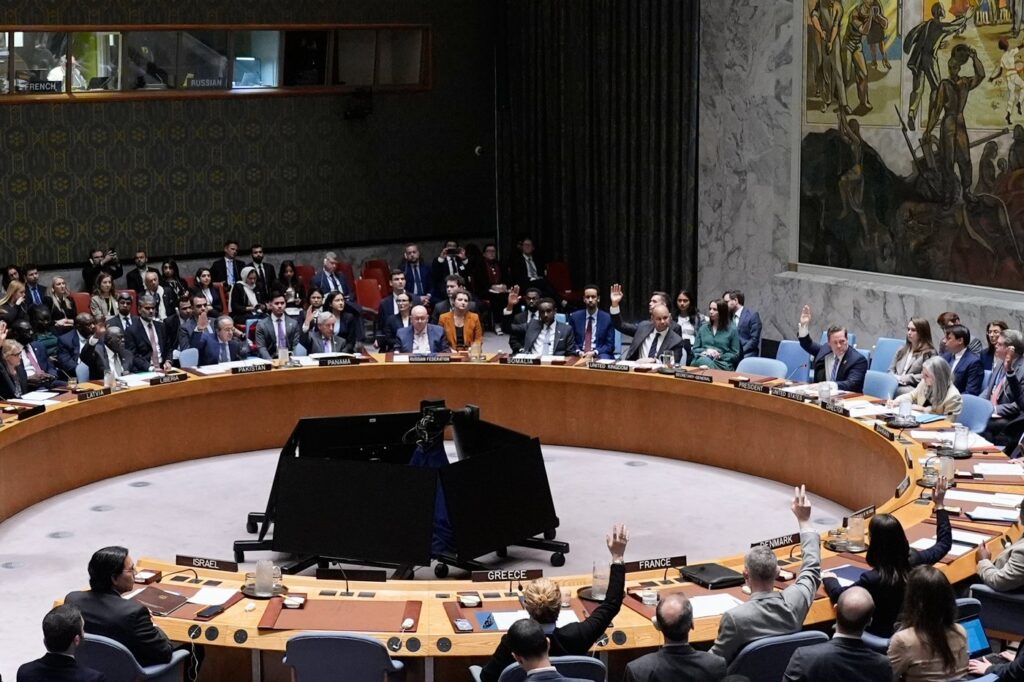
The proposed United Nations resolution regarding the reopening of the Strait of Hormuz has undergone significant modifications, primarily due to opposition from China and Russia concerning the authorization of military force. Bahrain, the nation sponsoring the resolution, has scaled back its original draft, restricting it to allowing only defensive measures to secure maritime passage. This adjustment follows Iran's recent restrictions on global shipping in this critical waterway, which sees approximately one-fifth of the world's oil traffic.
The final draft, obtained by The Associated Press, permits nations to take defensive actions but explicitly disallows any offensive military measures. Initially, Bahrain's draft had proposed the use of "all necessary means," a phrase that could encompass military actions in the Strait of Hormuz, the Gulf, and the Gulf of Oman to secure safe passage for vessels and deter navigation interference. However, due to the apprehensions voiced by Russia, China, and France—who each hold veto power within the 15-member Security Council—the final version omits any reference to offensive military action.
The Security Council had aimed to vote on the resolution on Friday; however, this meeting was canceled in observance of Good Friday, a U.N. holiday. U.N. diplomats indicate that the vote is now expected to take place on Saturday, allowing time for further negotiations to potentially avert a veto from the opposing nations.
The current proposal allows countries to utilize "all defensive means necessary and commensurate with the circumstances" in the Strait of Hormuz and its adjacent waters to secure maritime passage and prevent interference with international navigation for a minimum of six months. Countries can act independently or in "multinational naval partnerships," provided they give prior notification to the Security Council before undertaking any defensive actions.
This resolution comes on the heels of U.S. President Donald Trump indicating that America and Israel would continue their military actions against Iran vigorously. In a speech, he affirmed that operations would persist for two to three more weeks, although he did not specify an end date for the ongoing conflict. Iran's aggressive actions in the region and its tight control over the Strait of Hormuz have become a focal point of concern, significantly impacting global energy prices and creating economic instability worldwide.
Prior to the release of the final draft, Russia's U.N. Ambassador Vassily Nebenzia expressed skepticism regarding Bahrain's proposal, stating that it did not effectively resolve the underlying issues and emphasizing that the end of hostilities is necessary for a genuine solution. Similarly, China’s U.N. Ambassador Fu Cong criticized the original draft, deeming the authorization for military force as unlawful, warning that it would lead to an escalation of tensions and catastrophic outcomes. He strongly recommended that the Security Council pursue a path of de-escalation and dialogue.
France's U.N. Ambassador Jérôme Bonnafont also advocated for de-escalation, emphasizing the importance of promoting defensive measures that prevent broad military engagement. He suggested that the revised draft, which focuses solely on defense strategies, could potentially be more acceptable to the Security Council members.
Notably, on March 11, 2026, the Security Council unanimously adopted a Bahrain-sponsored resolution condemning Iran’s "egregious attacks" on Gulf nations and demanded an immediate cessation of such hostilities. This resolution further criticized Iran's conduct in the Strait of Hormuz as a significant threat to international peace and security, calling for an urgent halt to any actions obstructing maritime shipping in the region.