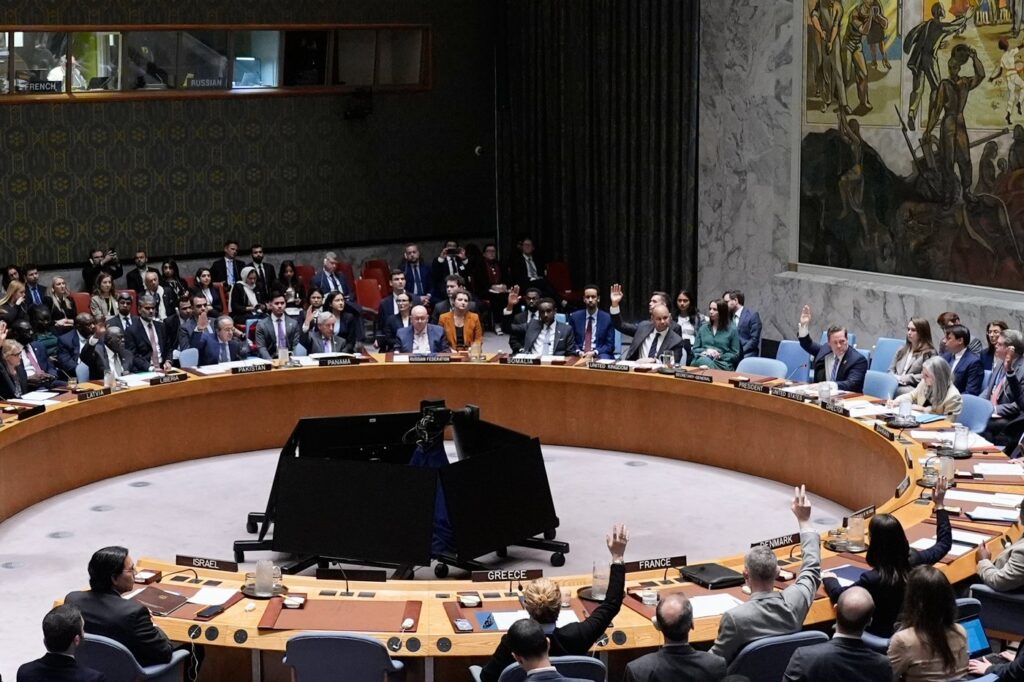
On Thursday, U.S. Secretary of State Marco Rubio accused China of "bullying" following reports that dozens of Panama-flagged ships were detained or delayed in Chinese ports. This incident occurred after Panama seized control of two critical ports on the Panama Canal from a subsidiary of a Hong Kong-based company earlier this year. Rubio's accusations underline the growing tensions in the geopolitical rivalry between the United States and China, particularly surrounding the strategically important Panama Canal.
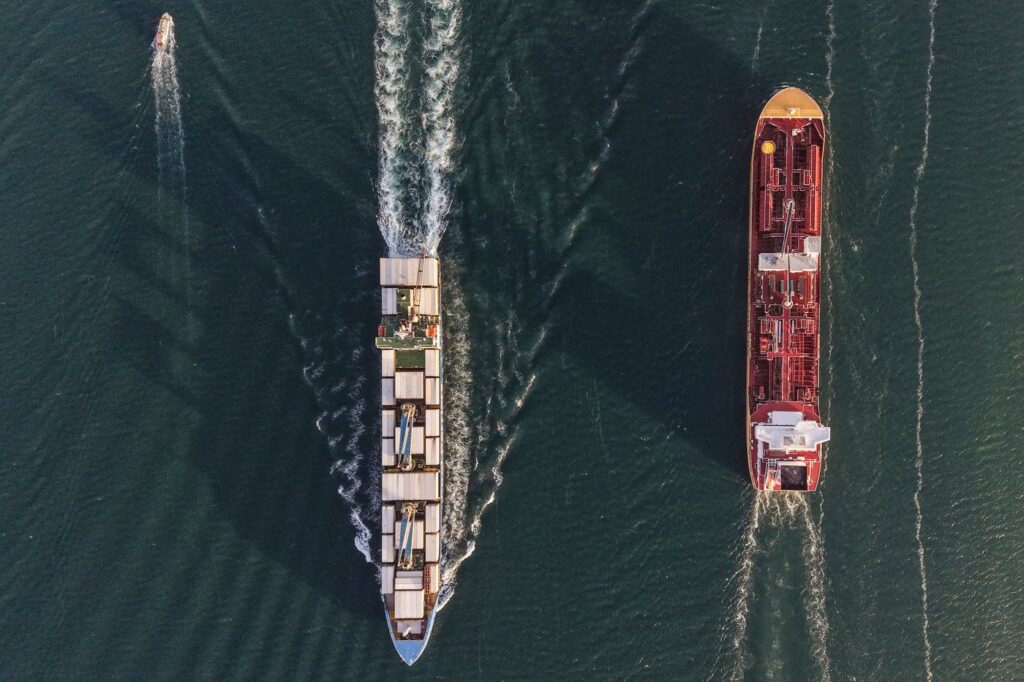
According to public data from Tokyo MOU, a regional port state control organization, 92 out of 124 ships detained for inspection in Chinese ports in March were Panama-flagged, nearly 75%. These ships were held for varying lengths of time, ranging from as short as one day to as long as ten days. In contrast, the number of Panama-flagged ships detained in the previous months was significantly lower, with 19 out of 45 in February and 23 out of 71 in January.
While the Chinese government denied the allegations made by Rubio, stating that the U.S. accusations reveal an attempt to assert control over the canal, the situation has heightened scrutiny of China's maritime practices. Rubio emphasized the detrimental effects of these detentions on global supply chains, asserting that such actions destabilize trade and erode confidence in the international trading system. Furthermore, he reiterated the United States' support for Panama against any forms of retaliatory actions infringing upon its sovereignty.
The tensions come in the wake of Panama's supreme court ruling in January that deemed the concession held by CK Hutchison Holdings over the Balboa and Cristóbal terminals as unconstitutional. The U.S. administration, particularly under President Donald Trump, has actively pressured Panama and other Latin American nations to reduce China's influence in the Western Hemisphere. Trump's government has engaged more aggressively in Latin American affairs, viewing the Panama Canal as an essential maritime route for both commerce and military strategy.
Laura DiBella, chair of the Federal Maritime Commission in Washington, noted the disruptions caused by China’s actions against Panama-flagged vessels. She pointed out that the commission is unaware of any other nations conducting vessel inspections and detentions in a similarly punitive manner. In response to these developments, Panama's government stated that APM Terminals, a subsidiary of Denmark's A.P. Moller-Maersk, would temporarily manage the terminals while awaiting a new contract.
Despite the tensions, Panama's government has attempted to downplay the geopolitical implications, with officials recognizing the increase in vessel detentions but describing them as routine maritime practices. Panama's foreign minister emphasized the desire to maintain a respectful relationship with China, illustrating a complex balance of interests amidst external pressures.
The increased scrutiny of Panama-flagged vessels is notable as these registries contribute approximately $100 million annually to Panama's economy. José Digeronimo, a former president of the Panama Maritime Chamber, remarked that potential harassment by Chinese authorities could significantly impact Panama's status as a leader in ship registries. He warned that if prominent global exporters begin to impose restrictions on Panama-flagged vessels, the appeal of registering under the Panamanian flag could diminish.
In conclusion, this situation reflects the ongoing competition between the United States and China for influence in the region and raises concerns about the future of Panama's maritime industry amidst international tensions.