ISLAMABAD (AP) — Amid a precarious ceasefire in Iran, U.S. Vice President JD Vance traveled to Pakistan for critical discussions with Iranian officials. The region remains tense as hostilities between Israel and Hezbollah militants continue, with Tehran maintaining significant control over the vital Strait of Hormuz.
The potential for the truce to unravel looms large, with various issues threatening the negotiations aimed at establishing a long-term ceasefire. The Iranian semiofficial Tasnim news agency reported that talks slated for Saturday may not proceed unless Israel ceases its military actions in Lebanon. U.S. President Donald Trump asserted on his social media platform that Iran possesses minimal leverage, primarily limited to obstructing maritime traffic in the Strait of Hormuz, a channel pivotal for global oil trade.
Kuwait has voiced concerns over being targeted by seven drone attacks attributed to Iranian forces and their regional allies since Thursday. Although the Iranian Revolutionary Guard has denied involvement, its history of clandestine operations raises questions about its accountability. Meanwhile, preparations for negotiations appeared to progress, with Vance departing for Islamabad aboard Air Force Two, signaling a potential shift in U.S.-Iran relations.
Negotiations between Israeli and Lebanese officials are scheduled to commence in Washington, as Lebanese President Joseph Aoun's office confirmed. Beirut is advocating for face-to-face discussions aimed at concluding the conflict with Israel, akin to the ceasefire being negotiated with Iran. President Vance expressed optimism regarding the negotiations, indicating they might yield positive outcomes, but warned against any attempts by Iran to manipulate the talks.
As Vance arrived in Islamabad, Iranian Parliament Speaker Mohammad Bagher Qalibaf led a delegation that included various experts across security, political, military, economic, and legal sectors. Reports indicated discussions would only take place if Iran's initial conditions are met. Qalibaf expressed frustration on social media regarding the failure to implement two agreed-upon points: a ceasefire in Lebanon and the release of frozen Iranian assets.
The ongoing conflict poses significant challenges, especially Israel's insistence that its actions against Hezbollah are not part of the ceasefire arrangement concerning Iran. The day the truce was announced, Israel conducted airstrikes on Beirut, resulting in significant casualties, marking one of the deadliest days in Lebanon since the onset of the war on February 28.
Trump intervened, requesting Israeli Prime Minister Benjamin Netanyahu to reduce military strikes. However, Israeli forces reportedly targeted military assets in Lebanon, exacerbating tensions as the region grapples with the fallout of continuous violence. Netanyahu has hinted at a longer-term strategy aimed at disarming Hezbollah and fostering bilateral relations with Lebanon, a nation Israel has technically been at war with since its establishment in 1948.
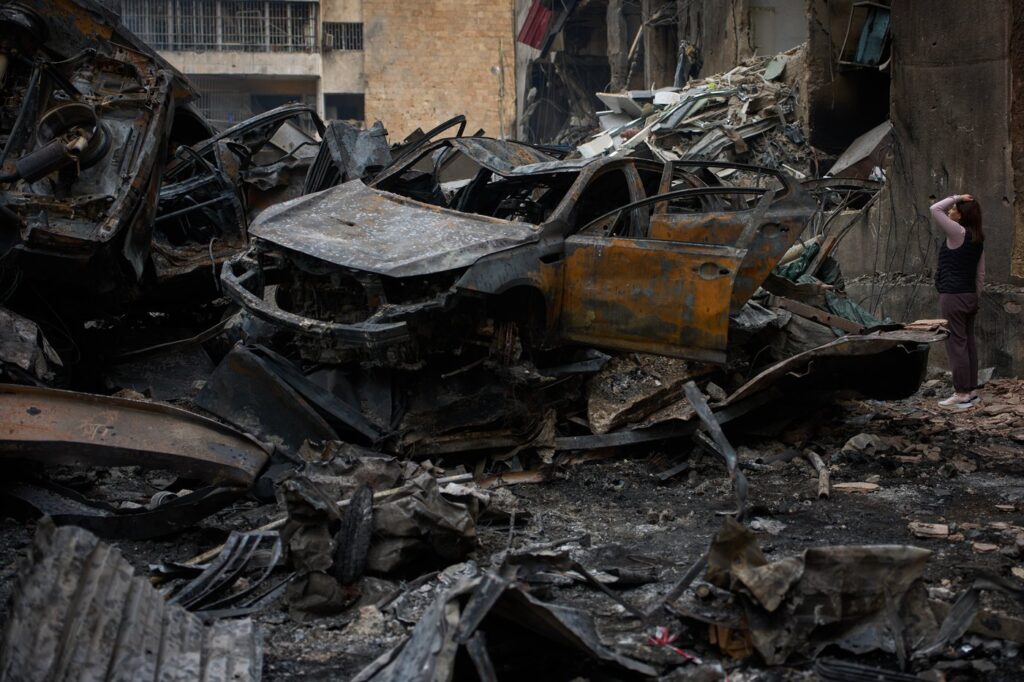
As the situation develops, Hezbollah's leader Naim Kassem urged Lebanese officials to refrain from making unilateral concessions but did not clarify his position on the negotiations. In the aftermath of the extensive Israeli bombardment, many Lebanese residents are left to recover and salvage their homes, often expressing gratitude for their safety amidst overwhelming destruction.
The Strait of Hormuz remains a critical point of contention, with Iranian domination leading to skyrocketing oil prices and economic instability worldwide. Brent crude oil prices surged above $97, reflecting an over 30% increase since the conflict began, with a significant drop in maritime traffic noted since the ceasefire announcement.
Concerns linger regarding Iran's missile and nuclear capabilities, both of which the U.S. and Israel seek to address. The Biden administration maintains that Iran should never attain nuclear weapon capacity, while Tehran insists that its nuclear ambitions are solely for peaceful purposes. In this fraught environment, Trump emphasized Iran's dwindling leverage in global negotiations.
The conflict has claimed numerous lives, with over 3,000 reported deaths in Iran and nearly 1,953 in Lebanon, along with a rising death toll in other affected regions. As the geopolitical landscape continues to shift, Ukrainian President Volodymyr Zelenskyy indicated that Ukrainian forces successfully intercepted Iranian-designed drones in Middle Eastern countries, underscoring the far-reaching implications of Iran's military engagements.