During the global pandemic caused by the novel coronavirus, Dr. Isaac Bogoch, an infectious diseases specialist, became a trusted source of information amidst the turmoil. With hantavirus now making headlines, he is once again addressing numerous queries regarding contagion.
One recurring question is whether the anxiety surrounding hantavirus is justified. Dr. Bogoch emphasized that his role is to offer factual information without imposing feelings of anxiety or calmness. He highlighted that hantavirus is not a new concern; it has been known for approximately three decades and, when managed appropriately, does not have to escalate into an uncontrollable outbreak.
Dr. Bogoch pointed out that the most recent hantavirus outbreak occurred in Argentina in 2018, during which 33 individuals were infected. He noted that this virus is quite rare but can lead to severe illnesses. The 2018 outbreak, as well as previous ones, was successfully contained using standard public health measures, which are currently being applied again.
It seems like the right steps are being taken (so far) to quell this hantavirus outbreak: the @WHO is coordinating across multiple countries, large scale contact tracing is underway, several Canadians are quarantining after returning home, and ill passengers are receiving care.
— Isaac Bogoch (@BogochIsaac) May 7, 2026
In that outbreak, 11 people died, and three fatalities have already been reported in connection with the current cruise ship outbreak, highlighting the serious nature of the illness, which is transmitted from rodents. Dr. Bogoch mentioned that hantaviruses should be taken seriously, as even healthy individuals can experience severe illness and may succumb to the disease.
A Chilean study from ~20 years ago found that 3.4% of household contacts exposed to Andes virus (hantavirus) became infected, with the highest risk among sexual partners.
— Isaac Bogoch (@BogochIsaac) May 11, 2026
Viral RNA was detectable in blood 5-15 days before symptom onset.https://t.co/lhQ0aELXP6 by Ferres et al. pic.twitter.com/zEAROFGG1C
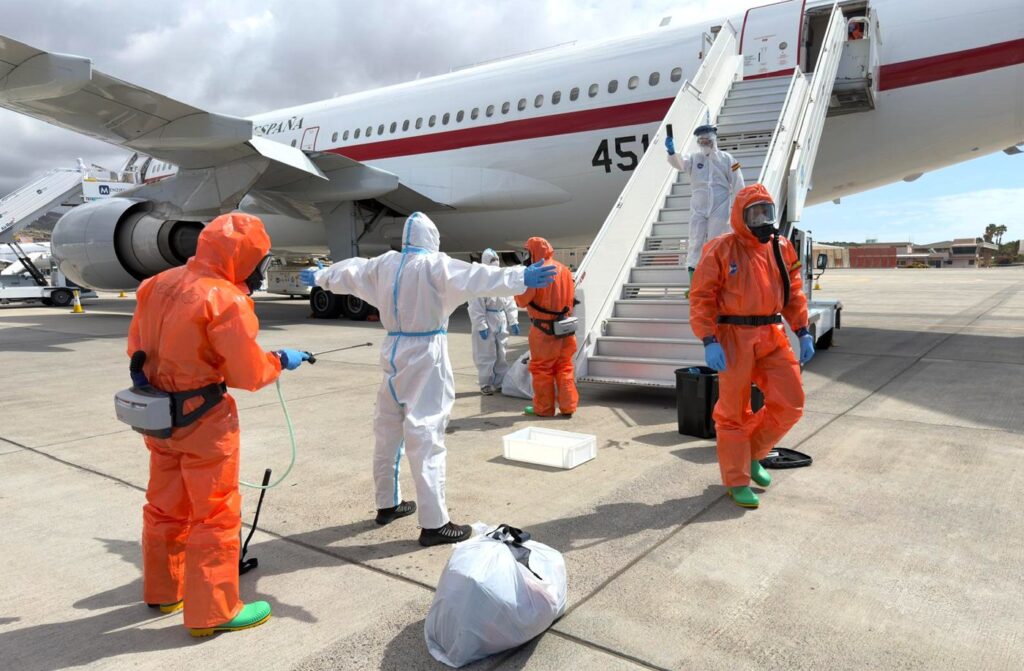
He noted that the recent increase in cases internationally is linked to the evacuation of the MV Hondius cruise ship in Spain's Canary Islands, and he anticipates that more cases will surface. According to Dr. Bogoch, this is expected due to the virus's long incubation period and the number of individuals who may have been exposed.
The specific strain involved in this outbreak, the Andes virus (ANDV), is notable for being the only form that shows human-to-human transmission capabilities. Dr. Bogoch explained that cruise ships facilitate intense transmission dynamics due to confined spaces and close quarters among passengers, which heightens the likelihood of secondary cases. However, he clarified that this situation is not comparable to COVID-19.
Risk to General Population Is Low: Public Health Agency of Canada
The Public Health Agency of Canada has assessed the risk of acquiring ANDV for the general population as low, with moderate uncertainty. They do not expect onward transmission within Canada, even if an infected individual were to enter the country. Currently, ten people in Canada are being monitored for potential exposure to the virus.
Dr. Bogoch stressed the importance of containing the virus at this stage. He remarked that the primary focus should be to prevent further chains of transmission among the exposed individuals. If some of them do become ill, proper medical care is essential, but it is crucial to avoid subsequent transmissions.
As of now, there are no established medicines or vaccines for hantavirus, although Dr. Bogoch pointed out that a few drugs might show some effectiveness. However, he noted the lack of extensive clinical trials or a significant number of patients being studied in this context.
1/ A 2011 laboratory study suggested that ribavirin may have both therapeutic & post-exposure potential against Andes hantavirus. Outbreaks are tragic, but they also create a narrow window to empirically & ethically evaluate whether these approaches can actually work in humans. pic.twitter.com/MNlb2NMQQl
— Isaac Bogoch (@BogochIsaac) May 11, 2026
The international nature of this outbreak complicates the response as coordination is required across many countries. Dr. Bogoch remains optimistic, stating that if all parties adhere to necessary precautions, the situation can be managed effectively and should conclude quicker than anticipated.