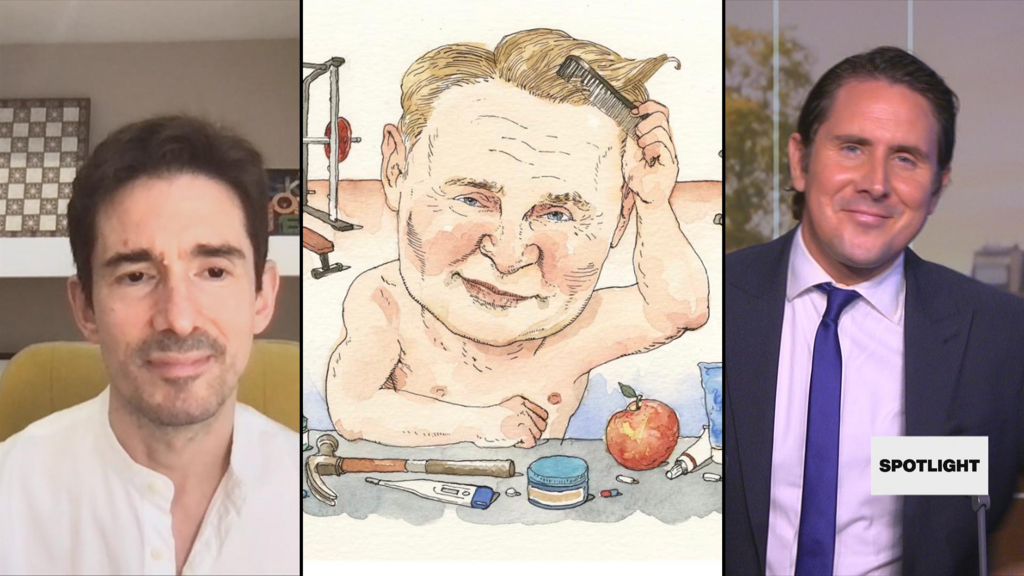
The Wall Street Journal's award-winning Chief European Political Correspondent, Bojan Pancevski, recently engaged in a dialogue with Gavin Lee of France 24 regarding a significant initiative undertaken by President Vladimir Putin—the ambitious Russian state-backed longevity program. This initiative, boasting a budget of $26 billion, aims at advancing anti-aging research and technologies with the goal of enhancing the quality and duration of life for Russian citizens.
The conversation began by delving into the motivations behind Putin’s focus on longevity and anti-aging. Pancevski outlined how the Russian leader sees this program as a response not only to demographic challenges but also as an opportunity to position Russia as a leader in biotechnology and longevity research on a global scale. With an aging population posing economic and social challenges, the Kremlin views the investment in longevity research as essential for bolstering the nation’s workforce and sustaining economic growth.
Pancevski highlighted that this $26 billion initiative is part of a broader strategy that includes international collaboration with Western and Asian firms involved in biotechnology and healthcare. This program is seen as a way for Russia to regain its footing in advanced scientific research, an area where the nation historically excelled but has seen a decline in recent decades due to a multitude of factors, including economic sanctions and limited investment in innovative sectors.
In the discussion, Lee raised questions about the implications of such a program, particularly concerning the ethical dimensions of anti-aging research. Pancevski acknowledged these concerns, explaining that while the potential for elongating human life is attractive, it raises questions surrounding the equitable distribution of such advancements among the population. The Kremlin's agenda, he noted, often focuses on the elite, which could exacerbate existing inequalities within society.
The program aims to encompass a wide array of scientific endeavors, including genetic research, nanotechnology, and advanced medicine. Russia plans to establish specialized facilities and research centers dedicated to exploring the biological mechanisms of aging and finding ways to mitigate its effects. By fostering innovation, the government hopes to not only improve healthcare outcomes but to also stimulate economic growth in high-tech sectors.
Pancevski also touched on how Putin's public persona has evolved concerning health and longevity. The president has actively participated in promoting wellness initiatives and has been a vocal advocate for the integration of advanced medical technologies into everyday life. This move is not merely about extending life, but about enhancing the quality of life through improved healthcare systems and better access to groundbreaking treatments.
Moreover, the political ramifications of such a program are significant. With Putin facing increasing scrutiny both domestically and internationally, investing in the health of the population may serve as a strategic maneuver to bolster his support base. Demonstrating commitment to public health and longevity could enhance Putin’s image as a leader who prioritizes the well-being of his people, potentially distracting from ongoing political challenges.
The conversation further explored the reactions of scientists and researchers both within Russia and abroad. While some welcomed the funding and focus on longevity, others expressed skepticism regarding the Kremlin’s intentions and execution of such a program. Concerns were raised about the potential for propaganda and the misallocation of funds that could lead to ineffective or poorly executed research projects.
In summary, Pancevski painted a complex picture of President Putin’s longevity program. While the initiative represents a significant financial commitment to advancing anti-aging science in Russia, it also raises ethical concerns and highlights ongoing political dynamics. The program encapsulates not only a scientific endeavor but a strategic political calculation aimed at enhancing national stature while addressing pressing demographic issues.