On early Friday, the Senate approved a significant piece of legislation aimed at funding President Donald Trump's immigration enforcement agencies, including Immigration and Customs Enforcement (ICE) and Border Patrol, with a budget of $70 billion. This decision came after weeks of delays and intense backlash surrounding an unrelated $1.776 billion settlement fund that jeopardized the bill's passage. The vote concluded around 5 a.m., with a narrow margin of 52-47, and it is expected that the House will address the bill in the coming week.
The final vote was primarily split along party lines, except for Republican Senator Lisa Murkowski from Alaska, who opposed the bill. Democratic Senator Michael Bennet from Colorado was absent from the vote. The measure had been contentious, as it had faced multiple attempts from lawmakers across both parties to attach amendments aimed at banning Trump’s settlement fund, particularly for perceived political persecution claims from Trump allies.
Considerable debate surrounded the proposal, especially after Republicans successfully defeated an amendment by Louisiana Senator Bill Cassidy intended to reroute settlement payouts to law enforcement officials injured during the January 6, 2021, Capitol attack, executed by Trump supporters attempting to overturn the 2020 presidential election results.
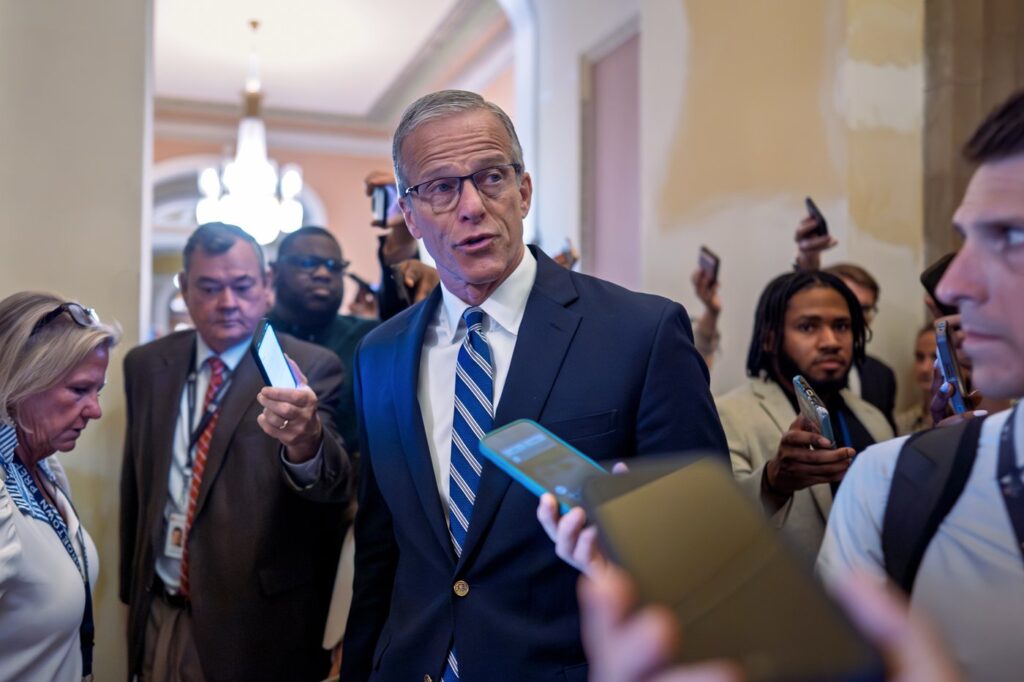
Republican leadership, including Senate Majority Leader John Thune, emphasized the need for the bill to remain focused on immigration enforcement, especially in an election year. However, the urgency was impeded by internal disputes regarding the settlement fund after Trump raised uncertainty about its future, stating its importance while expressing confusion about whether it was active.
Senator Thune voiced frustrations, noting that the bill could have been completed promptly if not for the controversy surrounding the settlement fund. The approval process for the legislation was complicated by a series of procedural maneuvers that allowed the Republicans to sidestep the filibuster and pass the budget without Democratic support. Nonetheless, the process was slow-moving, prolonged by differing viewpoints on Trump and the White House's settlement fund.
Efforts to ban the fund's usage were met with resistance, as Cassidy's proposals and those by other senators to repurpose funds faced dismissal. The Democratic strategy involved attempts to limit the settlement fund's reach, specifically regarding payments linked to defendants from the January 6 incident who harmed law enforcement. Senate Minority Leader Chuck Schumer criticized Republicans for leaving taxpayers vulnerable to a settlement dependent on assurances from Trump's associates.
The approval is paramount, as ICE and Border Patrol funding has been stalled for months, initially due to Democratic demands for operational changes following critical incidents involving federal agents. Recent deadly shootings of protesters have added to the complexity, prompting a bipartisan dialogue that ultimately fizzled out, leaving essential funding gridlocked since mid-February.
Although Congress managed to fund other parts of the Department of Homeland Security by late April with Democratic backing, the imperative funding for immigration enforcement agencies—ICE and Border Patrol—remained urgent and unresolved until the recent Senate vote. Democrats have consistently argued that any funding for the Department should involve restrictions to enhance accountability and promote better practices in immigration enforcement.
In conclusion, while the Senate passed the significant immigration funding bill, internal conflicts within the Republican Party reflected the complexities associated with Trump's influence and the bipartisan response to ongoing immigration enforcement issues. The legislation is now set to be considered in the House, where further discussions and decisions will take place regarding its final form and potential implications.