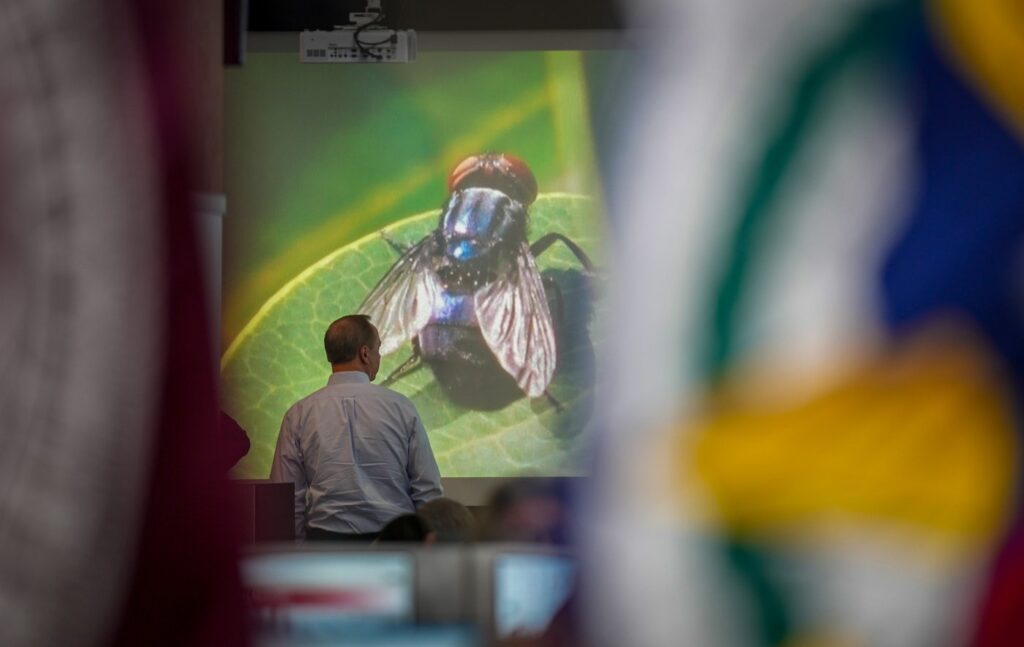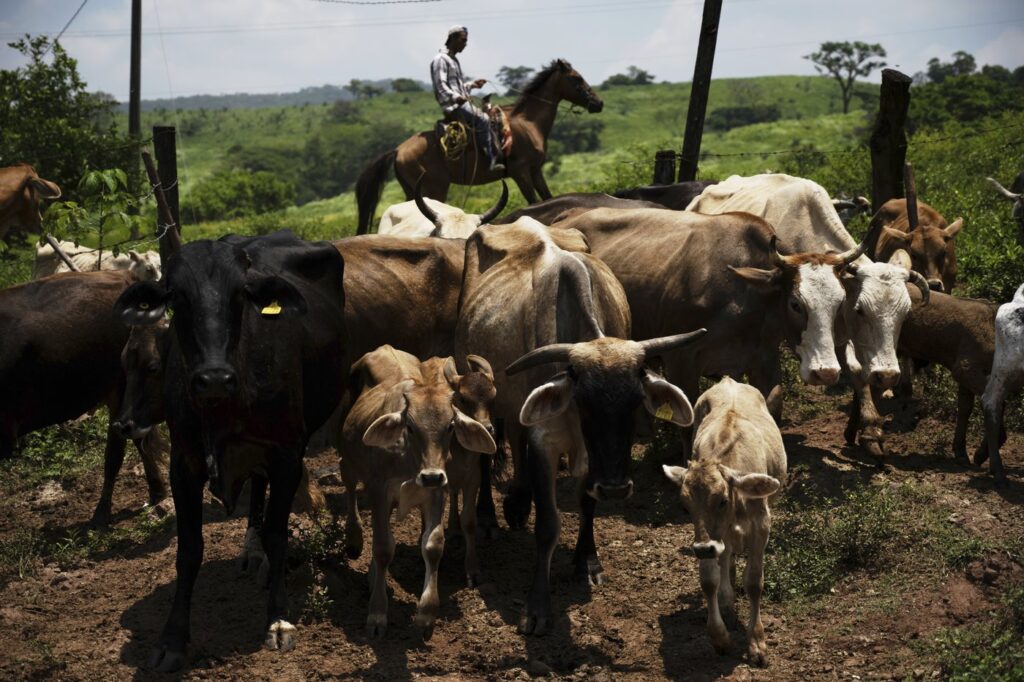
OTTAWA Canada has implemented a temporary restriction on the import of livestock from Texas due to concerns surrounding the New World screwworm fly, known for its flesh-eating larvae. This decision follows a confirmed case of the infestation in a calf in Texas, marking the first occurrence of this nature in the state since 1966.
The Canadian Food Inspection Agency (CFIA) has stated that any animals originating from Texas, or those that have been present in the state within 21 days prior to attempting to cross the border, will not be permitted entry into Canada. The immediate action aims to contain the potential spread of the screwworm, which poses significant risks to various animal species, including livestock, pets, and wildlife.
In addition to Canada’s measures, several U.S. states have also taken precautionary steps to mitigate the risk of the fly's spread. The CFIA has expressed its commitment to collaborating closely with U.S. officials to monitor the situation and adjust import protocols as necessary based on the developments regarding the infestation.
The New World screwworms are particularly noteworthy as they can infest not only livestock but also pets, wildlife, birds, and, in rare cases, humans. The CFIA has pointed out that these parasites are not currently found in Canada and are unable to survive in the country's winter temperatures, as they thrive in hot and humid conditions.
U.S. officials have reassured that the larvae of the screwworm do not infest meat or fruits, emphasizing that the risk extends primarily to living animals. Recognizing the potential threat to health and agriculture, officials in Canada have urged animal owners and veterinarians to remain vigilant for signs of screwworm infestation in livestock. Symptoms may include wounds that worsen over time, accompanied by an unusual discharge or foul odour.
Furthermore, Canadians traveling to Texas with pets are advised to inspect their animals for any signs of screwworm infestation before returning home. The situation highlights the importance of biosecurity measures and the need for proactive monitoring to prevent potential outbreaks on Canadian soil.