On Sunday, Israel reported that Iran launched missiles at its territory, marking the first such bombardment since a fragile ceasefire was established in early April. This incident has complicated ongoing mediation efforts aimed at reaching a comprehensive agreement to end the war in the Middle East.
Iran's state broadcaster confirmed the missile launches, with the armed forces stating that if Israel retaliates or continues its attacks on Lebanon, Iranian strikes will persist. Israel's military claimed it intercepted all incoming missiles but warned that its defense system is not infallible, resulting in sirens being activated in multiple areas. Although multiple explosions were heard in northern Israel, there was no immediate statement from Hezbollah, the Iranian-backed group that frequently targets the region.
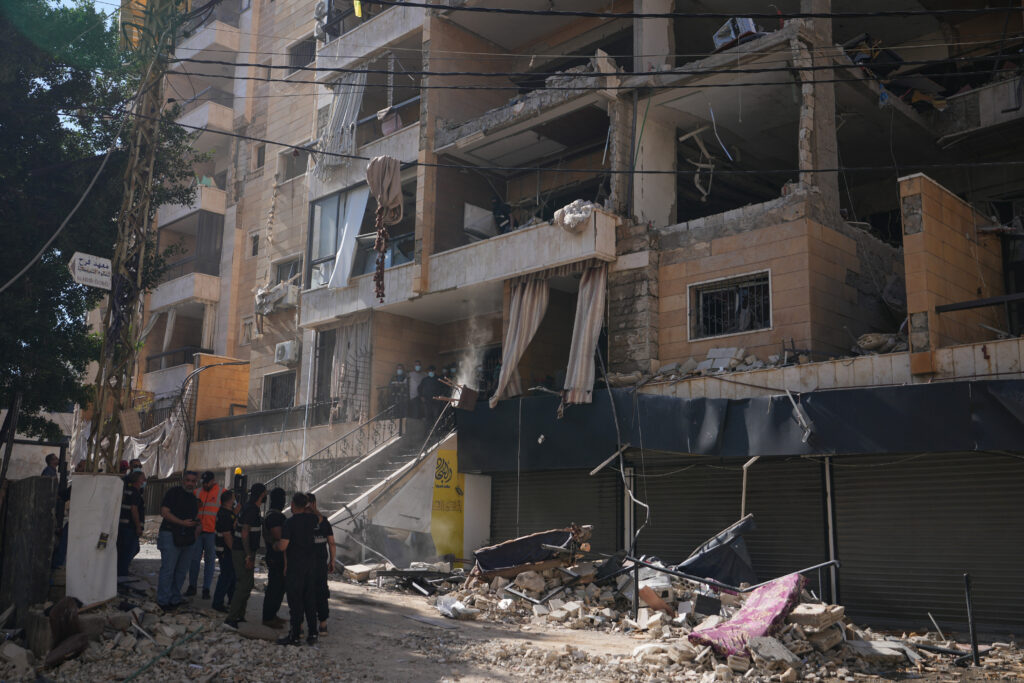
No casualties or damages were reported in Israel following the missile attacks, and the White House did not immediately respond to inquiries regarding the incident. This escalation follows Iran's warnings of retaliation after Israel conducted an airstrike in southern Beirut, which was seen as a direct response to Hezbollah's earlier fire aimed at northern Israel. The Israeli airstrike reportedly resulted in the deaths of two individuals and injuries to 20 more, according to Lebanon's health ministry.
Iran had cautioned that an attack on Beirut could lead to a full-scale war across the region. Meanwhile, Pakistan was attempting to revive talks between Tehran and Washington, with Iran insisting that any agreement must address the conflict in Lebanon. The U.S. Central Command indicated that American forces remain vigilant throughout the Middle East just before the missile launches from Iran.
Israeli airstrikes and their ground invasion of Lebanon targeting Hezbollah have further complicated broader ceasefire negotiations. The conflict escalated recently after a U.S.-hosted agreement appeared to be in the works, although Hezbollah rejected the ceasefire deal. On Sunday, Hezbollah claimed responsibility for prior attacks on Israeli border towns, asserting that direct talks between Lebanon and Israel should cease in favor of a more comprehensive deal involving Iran.
Diplomatic efforts are ongoing, with Pakistan's interior minister visiting Iran conveying a message from Pakistan's army chief. In Cairo, Egypt's foreign minister and his Qatari counterpart discussed "proposed elements" of a potential agreement between the U.S. and Iran, although specifics were not disclosed. These mediation efforts are occurring in the context of a precarious security environment in the region.
U.S. President Donald Trump did not publicly comment on the conflict, but he expressed a desire for a targeted approach against Hezbollah during an interview with NBC. Iran continues to exert its influence over the Strait of Hormuz while the U.S. maintains its blockade of Iranian ports, impacting the global oil and gas supply and causing broader economic ramifications.
Israeli Prime Minister Benjamin Netanyahu is determined to advance military operations until he feels that Hezbollah no longer poses a significant threat, emphasizing the ongoing volatility in the region. As negotiations continue, the situation remains fluid, with implications for international diplomacy and regional security.