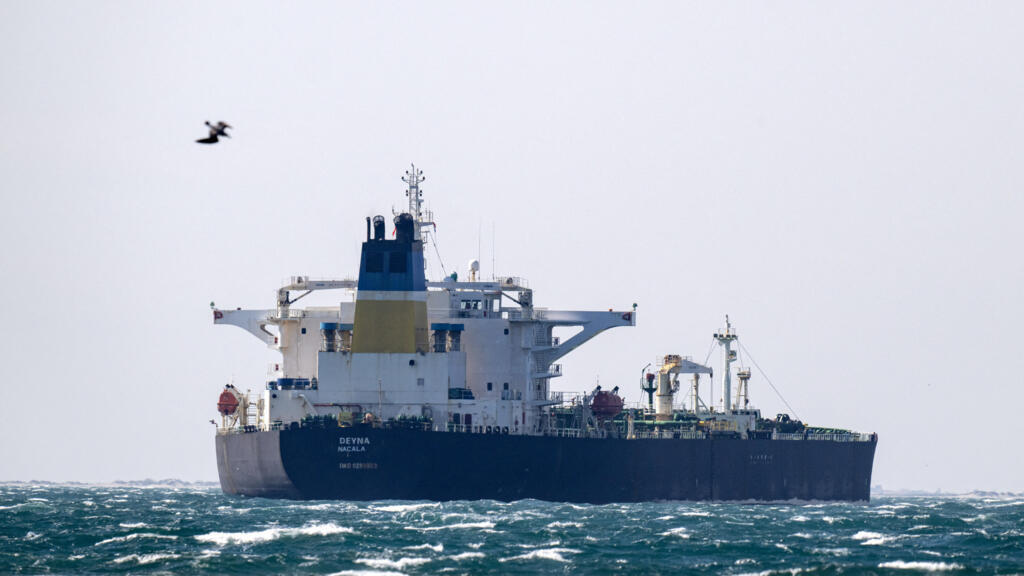
On Sunday, British forces conducted a significant operation in the English Channel, intercepting an oil tanker that has been sanctioned by the UK and is believed to be part of Russia's so-called "shadow fleet." This action marks a notable development in the UK's efforts to enforce sanctions against Russia, particularly in the context of ongoing geopolitical tensions stemming from the conflict in Ukraine. The British Defence Ministry described this operation as "the first UK-led operation of its kind," highlighting its importance in the broader framework of maritime security and international law enforcement.
The "shadow fleet" refers to a group of vessels that operate under various flags to transport oil from Russia, circumventing sanctions imposed by Western nations. Despite the significant restrictions aimed at crippling the Russian economy, these vessels have been reported to continue their operations, creating a challenge for enforcement agencies. The interception serves as a clear message that the UK is vigilant and proactive in curtailing illicit trade practices related to Russian oil.
The operation involved a coordinated effort by the UK’s naval forces and is part of a larger strategy to address the illegal transport of Russian oil. Authorities have noted that while many ships try to disguise their true ownership and destination, advancements in monitoring and intelligence sharing have improved the ability to track these eluding vessels. The recent intercept reflects the UK’s determination to uphold international sanctions and deter further violations.
As geopolitical dynamics continue to evolve, the interception of the sanctioned oil tanker illustrates the complexities of enforcing sanctions in international waters. Maritime operations against Russia's shadow fleet are likely to increase as countries work to enhance their efforts in sanctions compliance and maritime security. The British government’s commitment to tackling such challenges reassures allies about the UK's role in maintaining stability in global oil markets amidst rising tensions in Eastern Europe.
This operation can also be seen in light of the increasing collaboration among Western allies to strengthen their positions against Russian aggression. Similar operations have been announced or conducted by other nations as part of a unified approach to pressures posed to global trade and security by Russia’s actions in Ukraine. As such, the British interception of the tanker exemplifies a growing trend in multinational efforts to enforce economic sanctions while navigating the complex waterways of international trade.
In conclusion, the interception of the UK-sanctioned oil tanker in the English Channel on Sunday marks a pivotal moment for British forces and highlights the ongoing struggle to control the flow of Russian oil. Through vigilance and coordinated operations, the UK aims to hold accountable those who continue to defy established sanctions, reinforcing its commitment to international law and the stability of the global oil market. The evolving maritime landscape promises to witness further scrutiny as the UK and its allies intensify their campaigns against Russia's shadow fleet and other forms of evasive shipping operations.