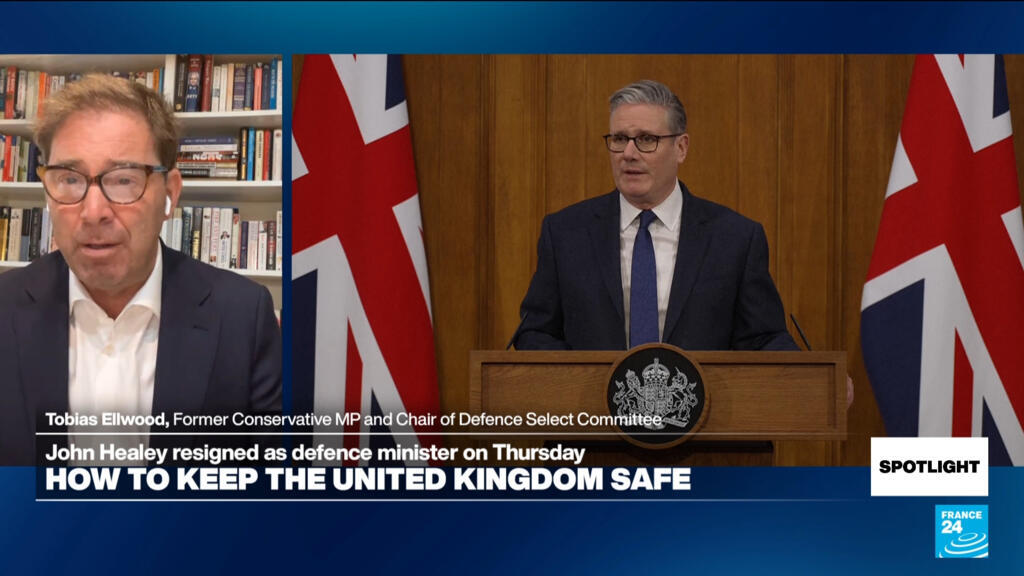
When Keir Starmer took office as British Prime Minister, he emphasized that the primary duty of a leader is to ensure national security. However, this week marked a significant shift in the government’s defense landscape as Defence Secretary John Healey resigned, stating in a pointed letter to Starmer that his leadership was contributing to a decrease in the country’s safety. Healey's resignation was accompanied by claims that the Prime Minister was failing to allocate the necessary financial resources to adequately defend the nation against potential threats, particularly the looming possibility of a Russian attack.
Furthermore, Healey was not alone in voicing his concerns. A second minister, Al Carns, also announced his resignation citing similar issues regarding the lack of financial commitment towards the defense budget. Both resignations suggest a deepening crisis within Starmer's government regarding defense and national security priorities. They had reviewed a British Defence Plan, which has faced significant delays and remains undisclosed to the public, causing unrest among defense officials.
The implications of these resignations resonate beyond mere political maneuvering; they highlight rising tensions and critical challenges facing the UK's national security strategy. The British Defence Plan, which remains shrouded in secrecy, seems to have sparked considerable concern among defense leadership about the current government's readiness to confront external threats, particularly amidst escalating aggression from Russia.
FRANCE 24's Gavin Lee turned to Tobias Ellwood, a former Conservative MP and ex-chair of the Defence Select Committee, to provide insight into this unfolding situation. Ellwood's perspective is particularly crucial as he offers a view from inside the corridors of power, where defense policies and national security strategies are shaped and debated.
The situation raises pertinent questions about the effectiveness of Starmer’s leadership and his government’s ability to safeguard the nation against both internal dissent and external threats. Critics argue that a failure to act decisively on defense spending and strategy could expose the UK to greater risks, especially given the current geopolitical climate.
With two high-profile resignations sending shockwaves through the government, the pressure is mounting on Starmer and his Cabinet. The need for a clear, robust, and publicly communicated defense strategy is more pressing than ever as the nation grapples with ensuring its safety and security in an unpredictable world.
```