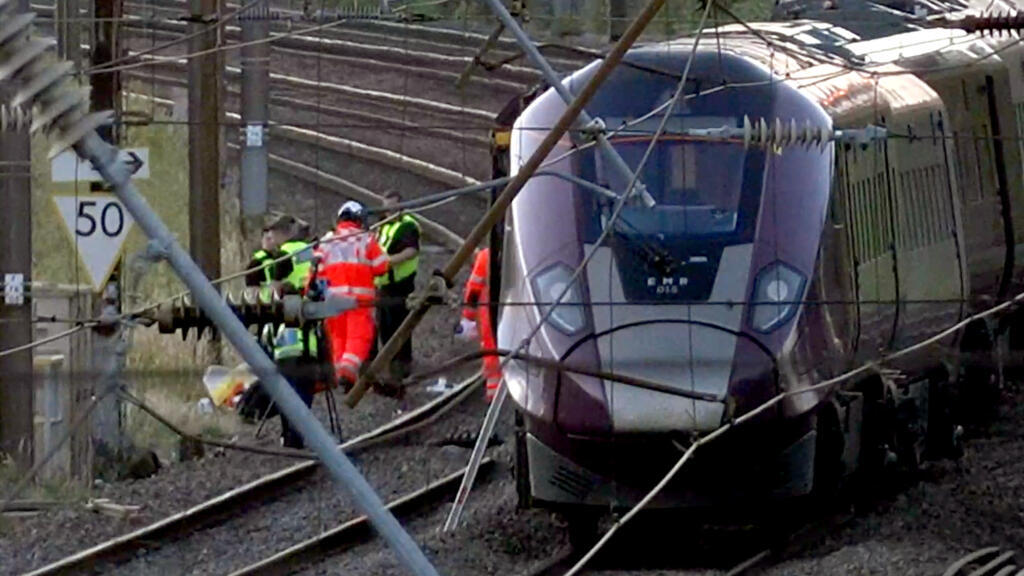
Train Collision Near Bedford
On Friday evening, a tragic collision occurred between two passenger trains heading towards London, specifically near Bedford. This catastrophic incident resulted in the death of one person and left dozens of others injured, prompting an extensive emergency response from local authorities and medical services. Eyewitness accounts indicate that the accident happened as the trains were approaching the busy commuter route, creating chaos and raising significant concerns for rail safety.
The collision led to the immediate suspension of rail services to and from St Pancras International station, one of London's primary railway hubs. Commuters and travelers faced significant disruptions as services were halted, leaving many stranded. Emergency services quickly descended upon the scene, working diligently to rescue trapped passengers, provide medical assistance to the injured, and assess the situation. Local hospitals were prepared for an influx of casualties, as it became clear that the extent of injuries was substantial.
In the wake of the accident, railway authorities initiated a thorough investigation to determine the cause of the collision. Preliminary reports suggest that factors such as signal failures or human error may have contributed to the disaster. The Rail Accident Investigation Branch (RAIB) has already announced plans to conduct a comprehensive inquiry, aiming to uncover the sequence of events leading up to the crash and prevent future incidents.
Officials expressed their condolences to the family of the deceased and those affected by the incident. Efforts to support the victims and their families were put into place as the community rallied together in the wake of this tragedy. Local residents reported hearing the sound of the collision and described the scene as chaotic, with emergency vehicles lining the streets and authorities quickly establishing cordons to secure the area.
In addition to the immediate emergency response, rail operators began to communicate with the public regarding the disruption. Passengers were advised to seek alternative travel arrangements, as service disruptions were expected to last for an indeterminate period while investigations and recovery operations were underway. Social media platforms became inundated with updates from those affected, sharing their experiences and seeking information on service resumption.
This incident highlights ongoing concerns regarding railway safety, particularly on routes known for high passenger volumes. Many commuters expressed their fears and frustrations regarding the safety measures currently in place. As this accident garners media attention, it is likely that discussions surrounding rail safety protocols, maintenance, and regulation will gain momentum in the coming weeks.
As the situation continues to develop, authorities are focusing on ensuring the safety of passengers, providing support to those affected, and investigating the exact circumstances surrounding this tragic event. The local and national rail infrastructure will face scrutiny as they work to reassure the public about the safety of train travel in the future.