OBBUERGEN, Switzerland (AP) – High-level negotiations aimed at reaching a permanent end to the Iran war concluded early Monday, with plans for lower-level talks set to continue throughout the week. The discussions culminated in an agreement between Iran and the United States to establish a "de-confliction cell" to manage the escalating violence in Lebanon involving the Iranian-backed militia Hezbollah and Israeli forces.
A statement from mediators Pakistan and Qatar emphasized that the de-confliction cell will also include the Lebanese government, intended to ensure compliance with a cessation of military operations in Lebanon. However, uncertainties linger regarding whether this arrangement will be sufficient to halt the ongoing clashes between Hezbollah and Israel, the latter insisting on its right to target militants launching attacks from Lebanese territory.
The United States refrained from providing immediate comments following the negotiations, while Iranian officials expressed appreciation for the mediation efforts. These talks signify the initiation of a 60-day diplomatic push to establish a permanent solution to the conflict. Nonetheless, hostilities in Lebanon present a significant challenge to the talks' progress.
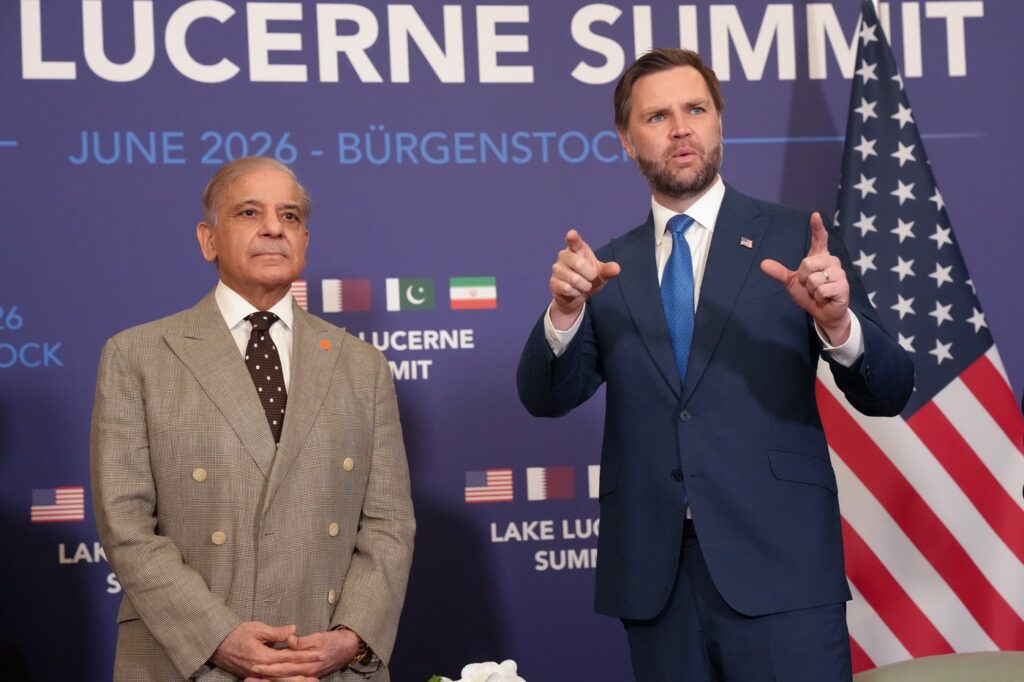
During the tense opening of the negotiations on Sunday, Iran’s delegation reacted negatively to remarks from U.S. President Donald Trump, who threatened potential military action against Iran unless it restrained its proxies in Lebanon. Trump stated via social media, “Iran must immediately stop their highly paid PROXIES in Lebanon from causing trouble. If they don’t, we’ll hit Iran very hard again, just like we did last week, only harder!!!” Such comments reportedly complicated the dynamic as negotiators, including U.S. Vice President JD Vance, attempted to foster a constructive dialogue.
In response to Trump's comments, Iran's lead negotiator, Mohammad Bagher Qalibaf, cautioned that “they would do better to be careful about their statements.” Later, Iranian Foreign Minister Abbas Araghchi noted the substantial progress made due to Pakistani and Qatari mediation, emphasizing that the primary challenge would be the timely cessation of hostilities in Lebanon.
Vance and U.S. representatives, including Steve Witkoff and Jared Kushner, reportedly engaged in dialogue with Qalibaf and Araghchi for approximately 80 minutes. Following the high-level talks, mediators confirmed that lower-level technical discussions would proceed for the remainder of the week, focused on producing necessary breakthroughs for senior officials to resume discussions and signing arrangements.
A senior U.S. diplomat disclosed that the negotiations encompassed clarifying Iran's recent statements regarding the Strait of Hormuz, alongside deliberations about mechanisms to ensure the waterway remains open and the enforcement of a ceasefire in southern Lebanon. Discussions also included substantive dialogues concerning Iran's nuclear ambitions, which the U.S. perceives as a potential military threat.
With the negotiations underway, both parties face immense pressure to deliver results that could have profound implications for global security and the economy. Vance posed the critical question of whether both sides could “turn over a new leaf” in their relations within the broader Middle East context. Despite these talks, it's essential to note that neither Israel nor Hezbollah are officially involved in the U.S.-Iran agreement, which complicates efforts toward a comprehensive resolution.
The negotiations came amidst a backdrop of claims from Iran that it had again shut the Strait of Hormuz, a vital conduit for energy shipments. The U.S., conversely, insisted that shipping traffic continued in the area. Following a ceasefire brokered on Saturday, signs of calm were noted as Israel planned to lift movement restrictions for residents near the Lebanese border on Monday.
Despite the diplomatic efforts, tensions surrounding Iran's nuclear program remained high, with both Trump and Vance facing criticism from Republican hard-liners who equated the current agreement to the controversial nuclear deal of the Obama era. The newly proposed agreement allows vessels to traverse the Strait of Hormuz without charge for a stipulated duration, though Iran retains the option of imposing fees in the future.
Through these negotiations, the Trump administration aims to reassure global markets amidst concerns of economic disruption due to the Iran conflict, especially as rising oil prices have become a topic of public discontent in the U.S. The outcome of these discussions remains pivotal, with oil futures reportedly witnessing a significant drop following the agreement’s announcement, suggesting its immediate impact on market dynamics.