OTTAWA – The Canadian government is poised to announce the initiation of the national interest designation process for two significant Arctic infrastructure projects, according to government sources. This decision marks the first time Ottawa has indicated its intent to classify projects under the Building Canada Act, enabling fast-tracked approvals and the ability to bypass certain environmental regulations.
The projects in question are the Grays Bay road and port project located in Nunavut and the Mackenzie Valley highway project in the Northwest Territories. A press conference is expected to be held in Yellowknife to officially disclose these developments, as reported by three federal and territorial government sources who spoke on the condition of anonymity.
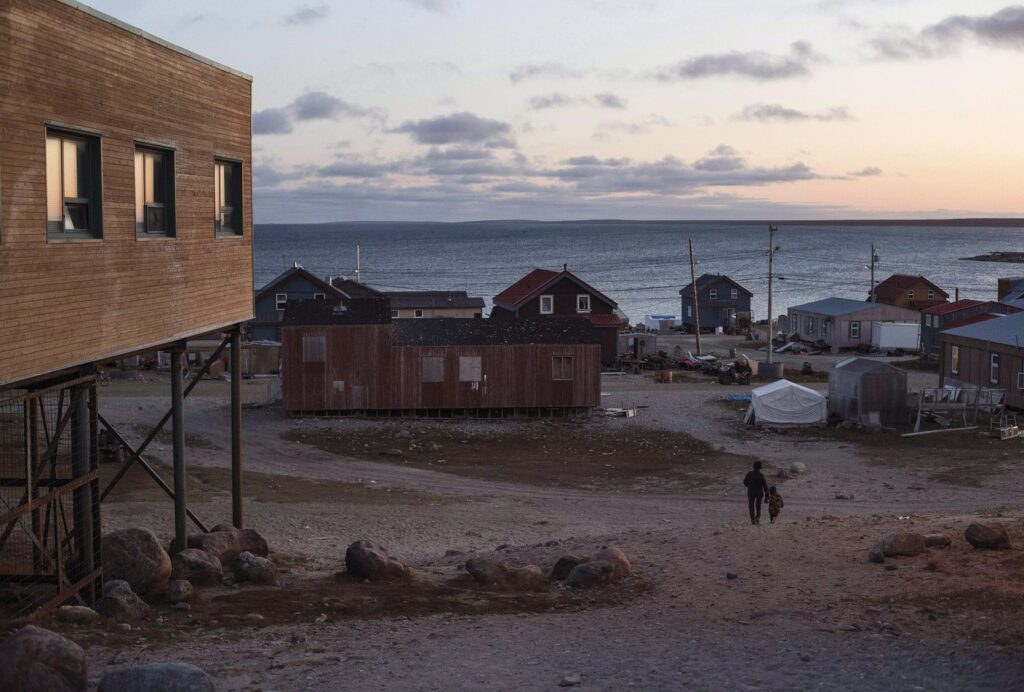
The Grays Bay road and port initiative aims to construct a 230-kilometer all-season road crossing through the Northwest Territories and Nunavut. This infrastructure is anticipated to unlock potential mining opportunities for critical minerals in the northern region. On the other hand, the Mackenzie Valley highway project seeks to establish an all-season road from Yellowknife to Inuvik, significantly reducing travel times and making communities more accessible, which currently rely on air travel, winter roads, or barge transport.
Both of these projects were transferred to the major projects office back in March. This office has yet to approve any of the 15 projects that have been submitted to it for the national interest designation. To be granted this status, projects must undergo a consultation process involving provinces, territories, and Indigenous groups.
Transport Minister Steven MacKinnon and Crown-Indigenous Relations Minister Rebecca Alty are anticipated to officially commence this designation process at Wednesday’s event. Prime Minister Mark Carney had expedited the passage of the Building Canada Act through Parliament prior to the summer recess, and since then, he has faced opposition criticism for not utilizing the government's new endorsement powers effectively.
While the federal government has expressed intent to designate a prospective oil pipeline to the West Coast as a project of national interest as part of an energy agreement with Alberta, no such project has been submitted for consideration to the major projects office. A memorandum of understanding established a deadline of July 1 for project applications in this regard.
In addition to the infrastructure projects, Energy Minister Tim Hodgson is expected to participate in the Yellowknife announcement. Sources indicate that he will provide updates concerning a deep geological repository intended for Canada's nuclear waste. In November 2024, the Township of Ignace and the Wabigoon Lake Ojibway Nation area in northwestern Ontario were identified as possible sites for this repository.
This announcement underscores the Canadian government's commitment to advancing vital infrastructure projects in the Arctic region, while also navigating the complexities of environmental regulations and community consultations. As the nation looks to bolster its Arctic infrastructure, the outcomes of these projects could significantly impact economic development and accessibility in the North.