Pride March Marks New Beginnings in Hungary
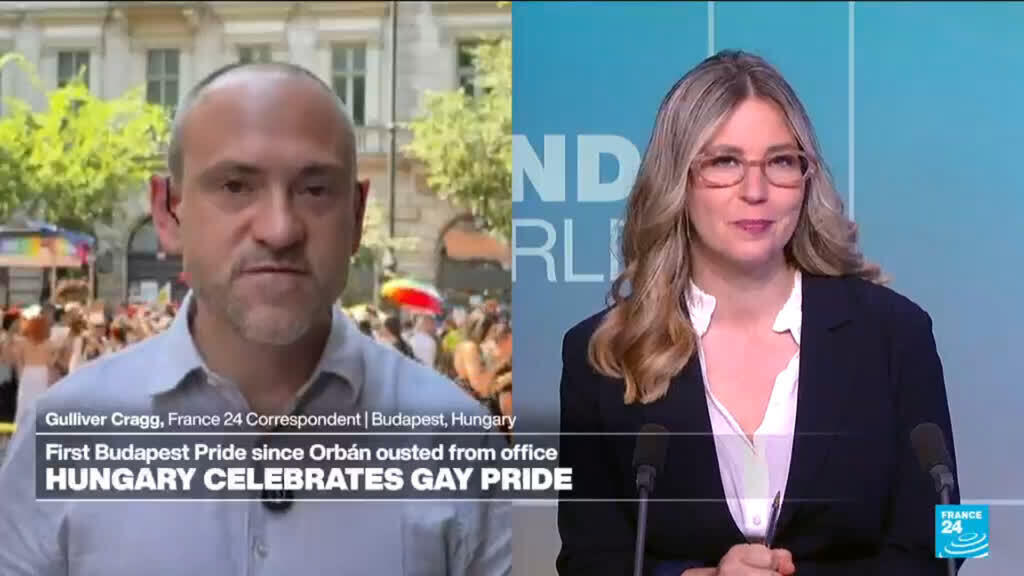
This year's Pride march in Budapest has been described by many Hungarians as the beginning of a new era, especially after 16 years under the government of Viktor Orbán, during which LGBTQ+ events faced significant restrictions. The atmosphere at the event is notably different, as thousands of participants gathered to celebrate their identities and rights, even in scorching summer temperatures.
France 24 correspondent Gulliver Cragg reports from Budapest, highlighting the vibrant participation of the community and their allies at the parade. This year's event stands out not only for its scale but also for the palpable sense of hope and change in the air. Participants express their joy in finally being able to freely advocate for their rights, a stark contrast to the prior years marked by governmental pushback against the LGBTQ+ community.
However, the newly elected Prime Minister, Péter Magyar, has not provided a clear stance on LGBTQ+ rights, casting a shadow over the optimism surrounding the march. Throughout his election campaign, Magyar chose to sidestep the issue, leaving many wondering how his administration will govern matters related to LGBTQ+ equality moving forward. His absence at the Pride march raised further questions about his commitment to addressing LGBTQ+ rights.
In a recent statement, Magyar remarked that "nobody should be stigmatised because of the way they love," a phrase that some interpret as a progressive step. Nevertheless, the vagueness of his statements creates uncertainty for advocates and allies within the LGBTQ+ community. There is a widespread desire for clarity on how his government intends to support or potentially challenge the strides made towards equality, particularly in light of the oppressive measures taken during Orbán's tenure.
The atmosphere at the Pride march, however, remains one of resilience and determination. Many participants emphasize the importance of visibility and representation, given that the previous government instilled a culture of fear and suppression. The visible presence of allies from various societal sectors further underscores a collective desire for a more inclusive Hungary.
As Hungary navigates this transitional moment, the reactions from the public and government officials will be crucial in determining the trajectory of LGBTQ+ rights in the nation. Advocates hope that the momentum generated by this year's Pride march will translate into tangible support and policy changes that affirm their rights and dignity.
While the uncertainties surrounding the new government persist, the spirit of the Pride parade in Budapest serves as a reminder of the ongoing fight for equality and acceptance. The outcome of this struggle could very well define the future of LGBTQ+ rights in Hungary, marking a critical juncture in the nation's history.