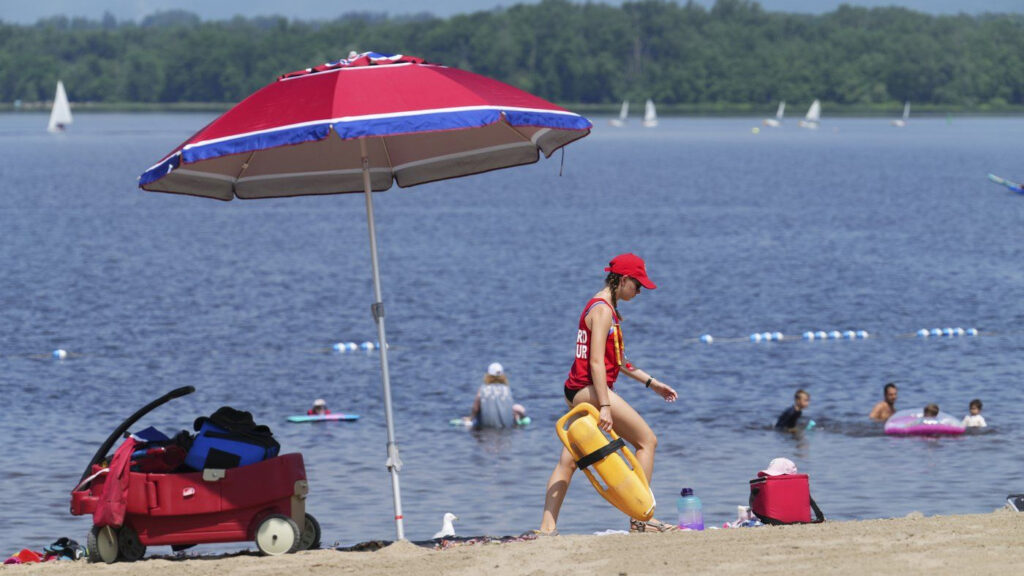
As Ontario experienced a heatwave over Canada Day, advocates raised alarms about the heightened risks faced by vulnerable populations amid extreme temperatures. Orange heat warnings covered a vast area, with Environment Canada’s weather map indicating severe conditions stretching from Windsor to Toronto to Ottawa. During this period, temperatures soared into the mid-30s Celsius.
The national weather service predicted the hottest days to be July 1 and July 3, with maximum temperatures ranging from 34 to 37 degrees Celsius. Minimum temperatures during the night similarly offered little respite, hovering between 21 and 25 degrees Celsius. Environment Canada warned that the oppressive heat and humidity were likely to persist throughout the weekend, impacting various regions, including northern Ontario cities like Sault Ste. Marie, Timmins, and Thunder Bay, where temperatures also reached the 30s, resulting in humidex values nearing 40 degrees Celsius.
Keith Hambly, CEO of Fred Victor, a Toronto-based organization dedicated to providing shelter, housing, and support services, emphasized the importance of community solidarity during such extreme weather. Fred Victor has implemented a "Keep Cool" outreach team specifically to support unhoused residents during heat waves. This team mobilizes whenever the city issues a heat warning, reaching out to those in known hotspots—such as parks and areas near shelters—offering essential supplies like water and sunscreen. They also guide individuals to free cooling spaces facilitated by the city and other agencies.
Hambly noted that certain groups are particularly vulnerable during heatwaves, such as the elderly or individuals who live alone with limited social interactions. He suggested that residents of Toronto take the initiative to check in on their neighbors, highlighting the responsibility everyone has to look out for those at risk.
Heat can pose significant dangers for individuals who are chronically homeless, according to Hambly. Many of these individuals face what he described as "premature aging," which manifests as health conditions more common in older adults, such as diabetes and cardiovascular issues. Additionally, he pointed out that medications taken by various individuals could exacerbate the risks associated with high temperatures, since many prescriptions are intended to be consumed in temperature-controlled environments. "If you’re constantly outside taking those medications, it can impact people very severely," he stated.
The situation has been further complicated by the recent closure of supervised consumption sites in Ontario, which means that individuals who previously used drugs under supervision are now doing so in less safe environments. Given the increasingly toxic nature of the drug supply, Hambly expressed uncertainty about how high temperatures could impact those using drugs outdoors. "We don’t know what the impact of excessive and exposed heat could be on the body," he remarked, highlighting the need for more research on this crucial issue.
Health experts have advised anyone spending time outdoors to limit alcohol consumption due to its dehydrating effects, which can significantly raise the risk of heat-related illnesses, including heatstroke. This advice underscores the importance of staying hydrated and vigilant during extreme heat conditions.