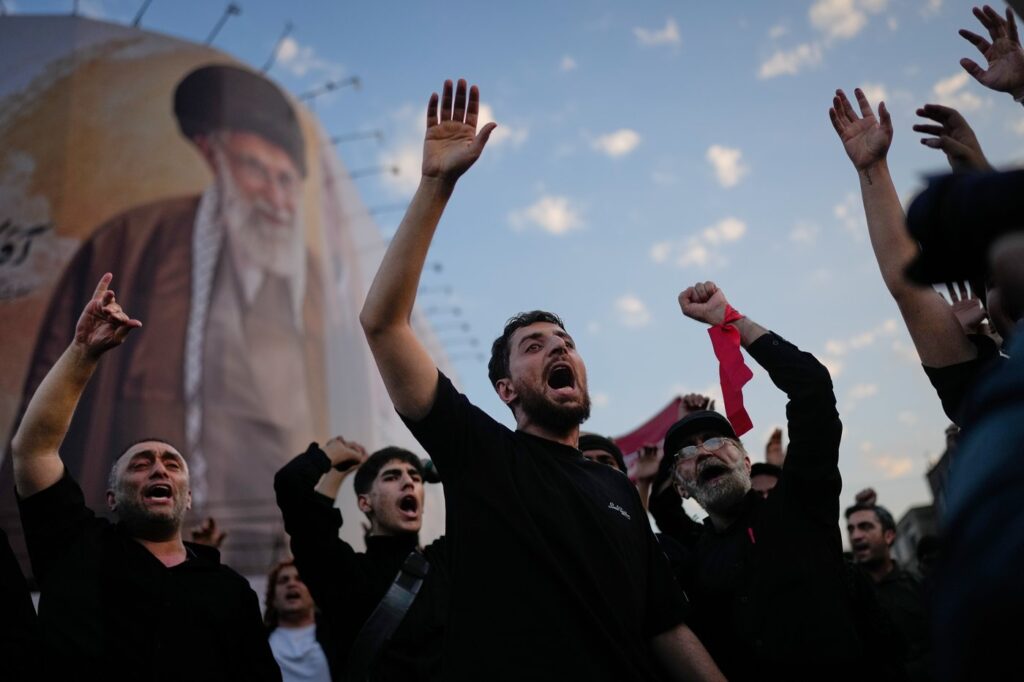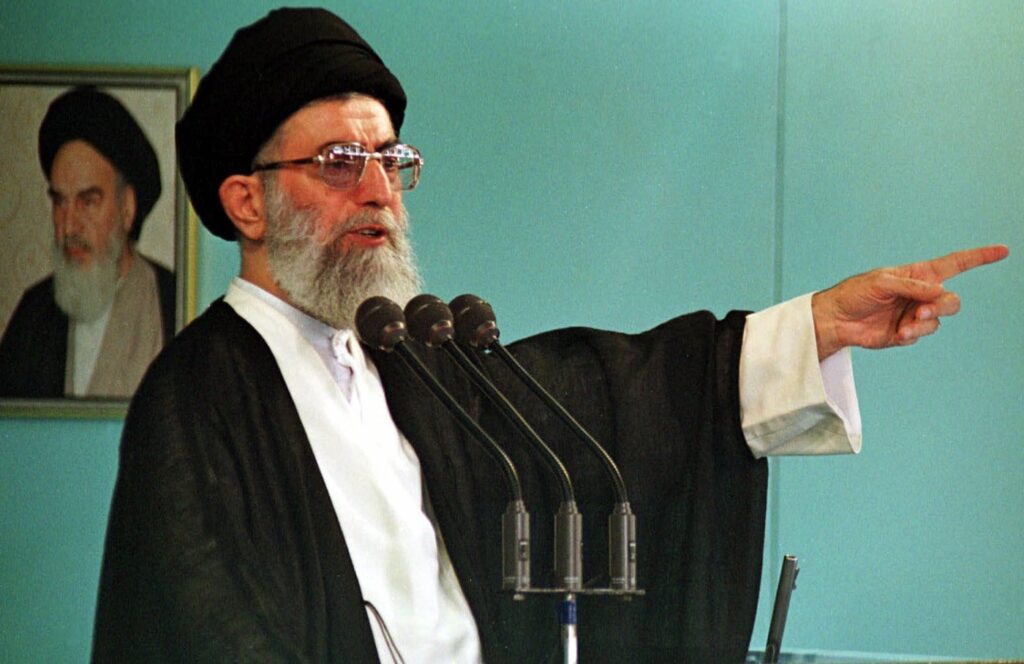
DUBAI, United Arab Emirates (AP) -- Ayatollah Ali Khamenei significantly reshaped Iran over more than three decades as supreme leader, transforming it into a regional powerhouse while fostering increasing tensions with Israel and the United States. His dayslong funeral began on Saturday, following his death during the onset of the U.S.-Israeli war in Iran.
Khamenei assumed leadership after the 1989 death of Ayatollah Ruhollah Khomeini, the ideological figure behind the overthrow of the shah. Unlike Khomeini, Khamenei was seen as a more conservative figure with lesser religious credentials. His challenge was to solidify that revolutionary vision into a functional state apparatus.
Throughout his leadership, Khamenei bolstered Iran's military capabilities, supported various armed groups across the Middle East, advanced its nuclear program, and responded to frequent protest movements with harsh crackdowns. While his confrontations with the U.S. and Israel initially garnered domestic support, they ultimately contributed to his downfall.
Having emerged from the 1980s war with Iraq, Khamenei transformed the Revolutionary Guard into a crucial pillar of his regime. This military organization became an expansive entity with influence in various economic sectors, solidifying its status as the country’s elite force.
Khamenei's leadership also marked a shift from conventional warfare to supporting proxy groups, establishing the so-called "Axis of Resistance." This included backing the Lebanese militant group Hezbollah, which successfully ousted Israel from southern Lebanon in 2000, and engaging with the Houthi rebels in Yemen and Hamas in the Gaza Strip. Iranian-backed militias also resisted U.S. forces in Iraq.
However, the Middle East conflicts triggered by Hamas' October 7, 2023 attack on Israel initiated a weakening of this "Axis of Resistance," adversely affecting both Hamas and Hezbollah's positions.
Khamenei staunchly defended Iran's nuclear ambitions for decades, dismissing U.N. sanctions while progressing with its nuclear program, which Western nations suspected was a precursor to developing nuclear weapons prior to 2003. Though he issued a fatwa declaring nuclear weapons un-Islamic, he affirmed Iran's right to develop a peaceful nuclear energy initiative.
In 2015, under a nuclear agreement, Iran committed to significantly limiting its uranium stockpile and enrichment levels in exchange for the alleviation of sanctions. However, following U.S. President Donald Trump’s withdrawal from the deal in 2018, Iran escalated its uranium enrichment towards near weapons-grade levels, raising alarms in both Israel and the U.S. about its potential nuclear capabilities.
Khamenei's tenure has also been characterized by sweeping protests met with severe crackdowns. Political discontent surged in 2009 over suspicions of electoral fraud in favor of President Mahmoud Ahmadinejad, leading to violent reprisals. Economic hardships led to protests in 2017, which grew more pronounced in 2019 over fuel price hikes; activist reports indicate over 300 fatalities from the state’s response.
The death of Mahsa Amini in 2022 after her arrest for improperly wearing her headscarf ignited further protests, culminating in over 500 deaths as security forces clamped down on dissent. By late 2025, protests expanded, seemingly becoming the largest movement against the Islamic Republic, with hundreds of thousands expressing demands for governance change, amidst reports of 7,000 fatalities due to brutal state repression.
With Khamenei's death, uncertainties loom over the future of the Islamic Republic. His son, Ayatollah Mojtaba Khamenei, was reportedly designated as the next supreme leader but has been absent from the public eye since the simultaneous strikes that killed his father. Following the outbreak of the recent conflict, Trump urged Iranians to "take over your government," yet no significant uprising has occurred, and hard-liners have rallied nightly in Tehran.
The forthcoming period following Khamenei's burial may heavily depend on powerful entities like the Revolutionary Guard, whose readiness to exert overwhelming force has been evident in preserving their authority.