In Toronto, a hotel near Highway 401 serves as an evacuation site for residents of Cat Lake First Nation, where alcohol screening is implemented in the lobby to limit substance use. Derek Spence, the operations manager, explained that the purpose is to reduce drinking among community members who fled their remote northern Ontario homes due to wildfires. He noted that alcohol and drugs are notably more accessible in urban settings compared to their hometown.
Concerns regarding substance use, as well as fears of unsafe individuals lingering at the hotel, have heightened the urge among evacuees to return home, despite nearly 180 wildfires still raging in northern Ontario. Chief Russell Wesley, who oversaw the evacuation of over 450 community members to Toronto, expressed distress at the lack of autonomy in the evacuation destination. He emphasized that if given the choice, he would prefer to have the residents relocated closer to home to maintain cultural practices like fishing and hunting.
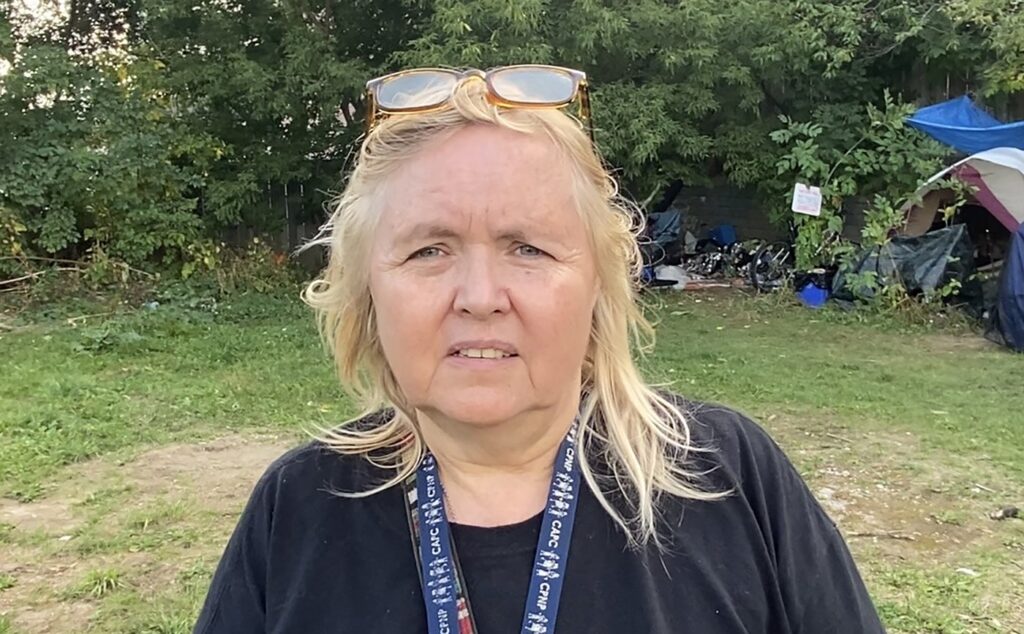
Joining the call for immediate action, Cat Lake social worker Chantal Wesley voiced her concerns about the safety of the evacuees. She has experienced sleepless nights worrying about whether all the residents return safely to their rooms, noting that there have already been security incidents involving potential predators. Wesley pointed out that the issues stemming from the residential school system continue to affect the community, making them vulnerable to drugs and alcohol, particularly during this evacuation.
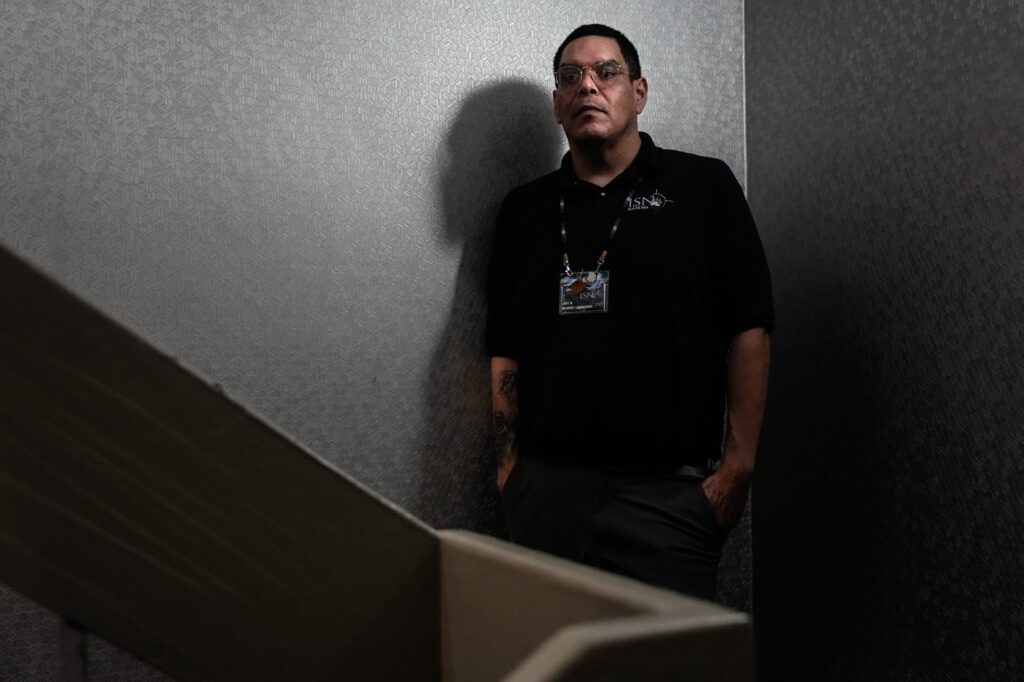
The experiences of Neskantaga First Nation residents, also evacuated to a Toronto hotel, reflect similar struggles. Chief Gary Quisess reported a security incident involving a young mother approached by an individual in a vehicle, which raised alarms regarding possible human trafficking. Joey Morningstar, a manager with ISN Maskwa, which provides emergency management services, highlighted the common dangers of substance abuse and trafficking that arise during evacuations, stating that cities often prey on the vulnerable.
According to Statistics Canada, although Indigenous peoples constitute only five percent of Canada's population, they accounted for 13 percent of all missing adults in 2025, with Indigenous women facing disproportionate violence and trafficking risks. A 2014 report from the Canadian Women’s Foundation noted that over half of trafficked women in Canada were Indigenous, while a geospatial analysis from 2025 indicated significant rates of disappearances and advertisements involving Indigenous women in the Greater Toronto Area.
This year, the majority of communities evacuated due to the Ontario wildfires have been First Nations, with twelve out of thirteen communities affected. Morningstar urged governments to enhance preparedness for First Nations during emergency evacuations, as climate change is expected to exacerbate the frequency and severity of natural disasters, leading to a potential tripling of evictions by 2030.
Riley Yesno, an Anishinaabe scholar, labeled those who have fled as “climate refugees” within their own territories and challenged the notion that evacuees must fit a certain narrative. She criticized the societal expectations imposed on them to remain grateful for the available support. Amy Cardinal Christianson, a Cree-Métis fire scientist, highlighted the complex trauma and stress these evacuations create for First Nations, particularly when placed in unfamiliar urban environments.
Addressing the immediate future, Chief Russell Wesley is coordinating efforts to return residents to Cat Lake as wildfire risks diminish and power is restored in their community. Despite the risks of returning home, Chantal Wesley articulated a common dilemma facing evacuees: deciding between the dangers posed by staying in the Greater Toronto Area or facing the threat of fires back home. “There’s no right answer,” she stated, illustrating the profound challenges faced by the evacuees during this crisis.