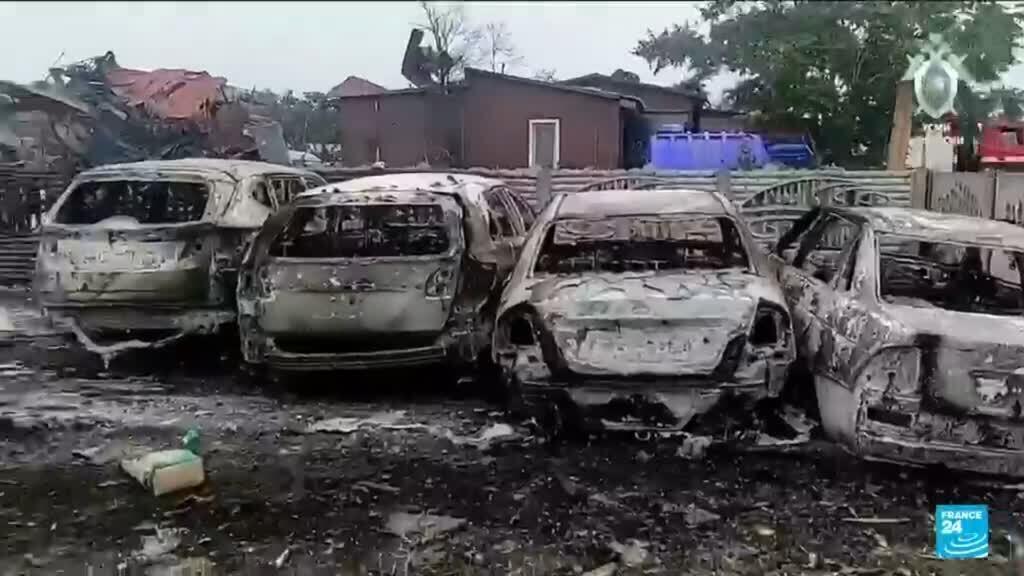
At least 11 people were killed, including five children, in a drone attack on a holiday camp located in a Russian-held area of Ukraine's Zaporizhzhia region. This tragic incident occurred overnight and has drawn significant attention due to the nature and consequences of the attack. Russian-installed local authorities have stated that Ukraine is directly responsible for what they claim is a deliberate assault on civilians.
The drone strike targeted a site known for hosting families and children, making the attack particularly heinous given the presence of young victims. According to reports from local officials in the Russian-controlled territory, the attack resulted in devastating loss of life and has been characterized as an egregious violation of human rights. The authorities have emphasized that such actions against non-combatants are unacceptable, citing the need for accountability in conflict situations.
In the wake of the attack, the Russian government expressed outrage and condemned Ukraine's actions. They described the strike as a deliberate tactic to instill fear among the civilian population and destabilize the region further. Despite the claims made by Russian officials, Ukraine has denied the accusations and stated that they do not target civilian areas. Instead, Ukraine maintains that they are focused on military objectives related to the ongoing conflict and that any civilian casualties are the result of Russia's aggression in the region.
The Zaporizhzhia region has experienced ongoing conflict, particularly since the outbreak of hostilities in 2014. Russian forces have occupied parts of Ukraine, leading to a complex and prolonged military crisis. This latest incident underscores the tragic reality of warfare in the area, where civilian lives are often caught in the crossfire. International observers and human rights organizations have raised concerns about the impact of military actions on innocent citizens and the need for protecting vulnerable populations during times of conflict.
In reaction to this escalating violence, there is a growing call for greater international scrutiny and intervention. Human rights advocates are urging for a thorough investigation into the drone attack, highlighting the necessity of accountability for those responsible. They are also emphasizing the importance of dialogue and diplomatic efforts to address the underlying causes of the conflict and find a resolution that prioritizes the safety of civilians.
As the situation develops, both local and international communities remain watchful and concerned about the potential for further escalation. With tensions running high, the need for humanitarian assistance and support for affected families becomes increasingly critical. Non-governmental organizations and aid groups are mobilizing to provide relief to those impacted by the attack, aiming to offer shelter, medical care, and psychological support to the survivors.
Furthermore, analysts are closely monitoring the political ramifications of such incidents, as public opinion on both sides may be swayed. The dynamics of the conflict in Ukraine continue to evolve, and incidents like this drone strike contribute to the complexities of achieving peace in the region. Moving forward, it will be essential for leaders and diplomats to work towards de-escalation and prioritize the well-being of civilian populations amidst ongoing hostilities.
In conclusion, the drone attack in the Zaporizhzhia region, which resulted in the tragic loss of life, highlights the alarming toll of the conflict on civilians. The incident serves as a grim reminder of the urgent need for comprehensive measures to protect innocent lives and foster a stable environment conducive to peace. The international community's response and engagement will play a crucial role in shaping the future landscape of Ukraine and ensuring that similar tragedies do not occur in the future.