CAIRO (AP) — The United States has officially paused its military attacks on Iran for a second consecutive day on Sunday. Tehran confirmed that it had also halted its retaliatory actions, as both nations engage in efforts to return to negotiations regarding an interim ceasefire deal that has been strained due to recent hostilities.
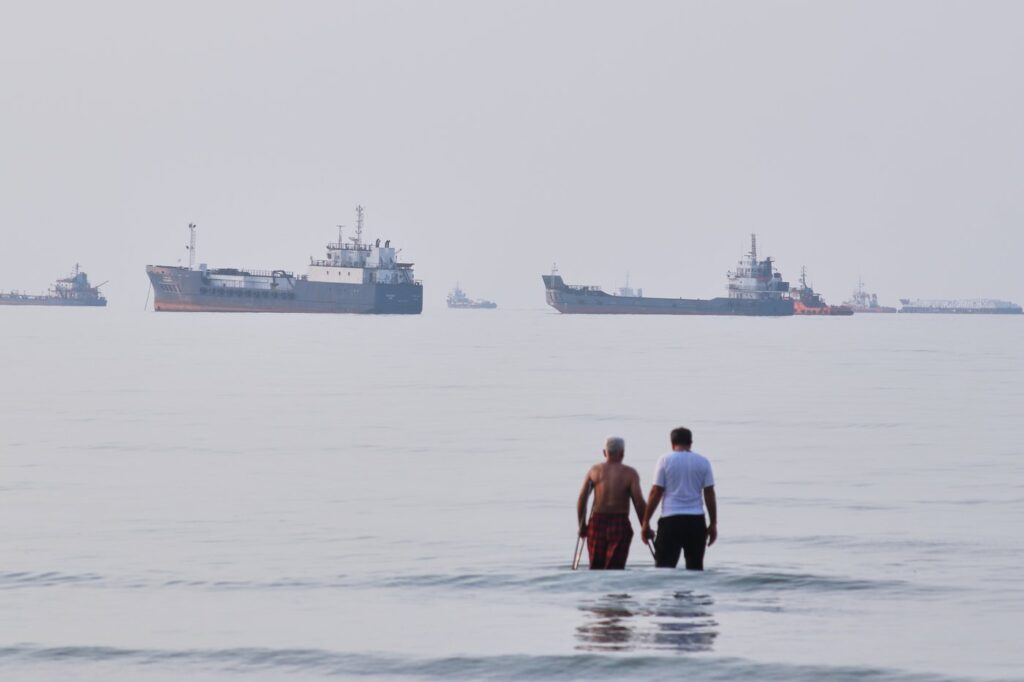
The motives behind the U.S. pause remain unclear, especially following its targeted strikes on Iranian coastal infrastructures during a nearly two-week escalation that began after Iran fired upon vessels attempting to navigate the Strait of Hormuz. On Sunday, the Pentagon did not immediately respond to inquiries regarding the recent attacks.
White House communications director, Steven Cheung, stated that President Donald Trump has consistently expressed a preference for a diplomatic resolution but has also made it clear that all options remain on the table should Iran continue its terrorist activities in the Strait of Hormuz or against U.S. allies. Cheung highlighted the importance of Iran seeking a negotiated agreement, warning, “Otherwise, they know what will happen.”
With the United States halting its offensive operations over the past two nights, Iran's army spokesperson announced that it too had refrained from further attacks. This pause comes amidst previous Iranian counterstrikes against countries hosting U.S. military resources, including an attack that resulted in the deaths of at least three individuals at a base in Jordan.
Uncertainty surrounds the status of mediation efforts led by Pakistan, Qatar, and other regional allies, as concerns remain regarding the safety of shipping routes within the Strait of Hormuz, and further risks impacting the Bab al-Mandeb strait leading to the Red Sea, where Iranian-aligned Houthi rebels have threatened a blockade of Saudi shipping routes.
The situation has had implications for global energy supplies, as the rise in gasoline prices reflects the ongoing instability. In a related development, Iran reported it has maintained discussions with Oman about ensuring the safe passage of maritime vessels within the Strait of Hormuz. Esmail Baghaei, a spokesperson for Iran’s Foreign Ministry, indicated that these conversations have been fruitful and ongoing.
Baghaei also asserted that the status of the Strait remains unchanged and emphasized Tehran's belief that the interim agreement with the U.S. grants it a role in managing shipping on the waterway. The Iranian government has opposed U.S. initiatives that are seen to favor an alternative shipping route that closely aligns with Oman.
The U.S. military clarified on Saturday that its resumed naval blockade against Iran remains active, with multiple commercial vessels redirected, and two ships reportedly boarded. U.S. forces reiterated their readiness and vigilance in light of the current tensions.
The interim deal initially established between the two nations in mid-June is now over halfway through its projected 60-day timeline. Major discussions that were anticipated to focus on critical issues, particularly Iran’s nuclear endeavors—a central concern contributing to the ongoing tensions—have yet to be addressed as mediators aim to facilitate continued dialogue between both parties.
A regional official involved in the mediation remarked that the recent decrease in military strikes is a “positive signal” that could assist in de-escalation efforts. This official conveyed that both Iran and the U.S. are interested in revisiting the interim ceasefire agreement, with current negotiations reportedly centering on allowing Iran more autonomy over maritime vessel transit in the Strait of Hormuz.
Additionally, Israeli Prime Minister Benjamin Netanyahu is scheduled to meet with President Trump in Washington on Tuesday. Their previous meeting took place in February, shortly before the onset of the war against Iran that resulted in significant casualties, including the death of key figures such as Supreme Leader Ayatollah Ali Khamenei.
Following the start of hostilities, Iranian-backed Hezbollah retaliated against Israel, prompting military responses that included Israeli airstrikes and ground operations in southern Lebanon. In light of the escalating situation, the U.S. has also begun to facilitate direct diplomatic talks between Lebanon and Israel to address tensions and seek measures for disarming Hezbollah.