GENEVA (AP) — The United Nations migration agency has issued a warning about the alarming rise of human trafficking networks that are luring and exploiting educated individuals, many of whom are proficient in English, to work in online scam centers. This issue is reportedly escalating, with hundreds of thousands of victims being trafficked across various regions. The International Organization for Migration (IOM) highlighted that these victims often find themselves ensnared through fraudulent job offers, predominantly disseminated via social media platforms. Once recruited, they face dire circumstances, including confinement, confiscation of identity documents, and coercive tactics such as violence, intimidation, and "debt bondage" to force them into participation in the illegal online schemes.
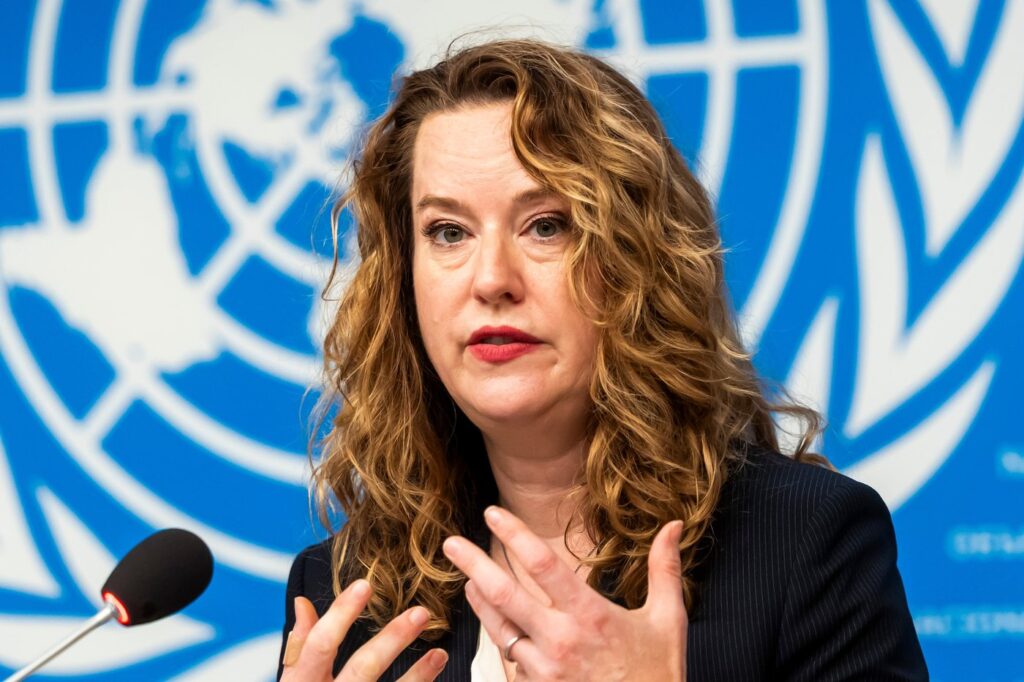
During a press conference on Tuesday in Geneva, IOM Director-General Amy Pope emphasized the growing frequency of these trafficking cases. She reported that individuals from over 80 countries are being manipulated into these scams. "We’re seeing so many more of these cases emerge right now," Pope stated. She further noted that the recruitment efforts often target individuals who possess strong English communication skills and higher education levels, suggesting a systematic approach by traffickers to exploit educated populations. "These cases are specifically playing out across Asia," she added, indicating a regional pattern in this disturbing trend.
The IOM's findings align with estimates from the United Nations Office on Drugs and Crime, which suggested that the financial losses incurred due to these scams in East Asia, Australia, and New Zealand reached approximately $114 billion in the previous year. Reports indicate that numerous "scam compounds" in these regions might be holding hundreds of thousands of trafficked workers, underscoring the vast scale of this crisis.
Between 2022 and 2025, the IOM has managed to assist over 3,500 victims of forced criminal activity, with these individuals originating from nearly 40 different countries. Particularly affected nations include Indonesia, India, Sri Lanka, Ethiopia, Kenya, and Bangladesh. This statistic highlights the international dimension of the problem, as individuals from diverse regions fall prey to the same trafficking networks.
These alarming revelations from the IOM shed light on a sinister operation that preys on vulnerable populations under the guise of legitimate job opportunities. The agency's efforts to address this humanitarian crisis are crucial, as they seek to provide support and rehabilitation for the victims caught in these exploitative practices.