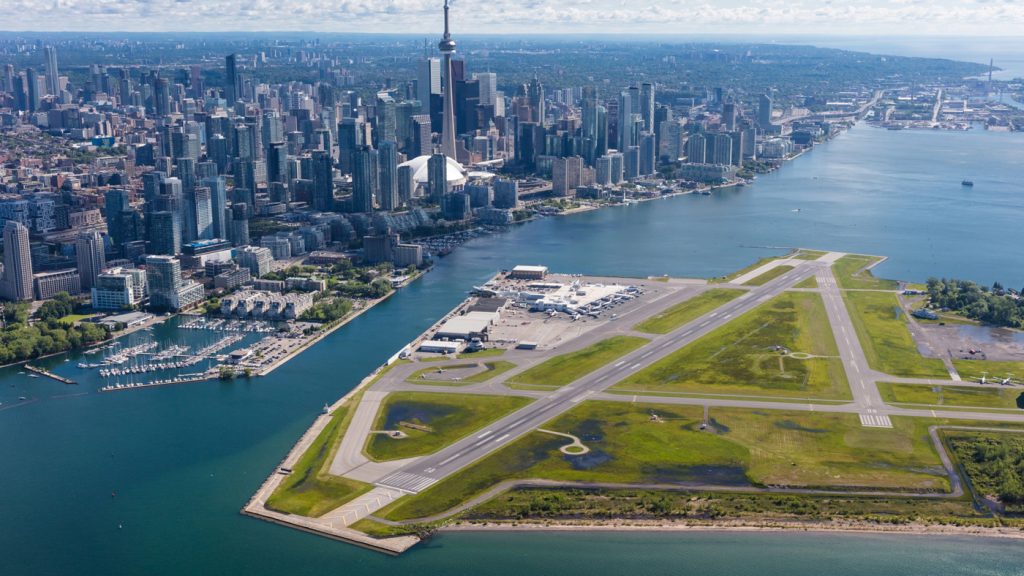
The Ontario government expressed disappointment after the federal government rejected a proposal to expand Billy Bishop Toronto City Airport. Ontario Transportation Minister Prabmeet Sarkaria criticized the decision, attributing it to the influence of a "fringe group" in Toronto, despite public opposition during a consultation process where 87% of 87,000 respondents opposed the expansion plan.
The expansion proposal aimed to allow jet traffic, as the current runway is too short for such aircraft. The decision by Federal Transport Minister Steven MacKinnon came shortly after Premier Doug Ford's government emphasized the need to modernize the airport to enhance travel options and increase passenger numbers from two million to ten million annually.
In response to the rejection, Sarkaria reiterated the province's commitment to move forward with airport modernization, arguing that it is essential for improving travel infrastructure. The Ontario government passed Bill 110 earlier in June, which provided the province with the authority to potentially expropriate land on the Toronto Islands for the proposed expansion.
In a significant shift, the Ontario government removed the City of Toronto from a long-standing tripartite agreement regarding the airport, replacing it with the provincial government as a key stakeholder alongside the federal government and the Toronto Port Authority, a federal agency that manages the airport.
The Toronto Port Authority's CEO, RJ Steenstra, indicated that the airport expansion could cost over $5 billion, funded by airlines and passengers over a 25-year period. During a committee hearing, Steenstra also mentioned that preliminary plans had been presented to both the federal and provincial governments, although the City of Toronto had not been included in discussions due to scheduling conflicts.
The Ford government’s legislative strategy also sought to designate the airport expansion as the first “special economic zone,” which would enable the suspension of provincial and municipal laws under provisions outlined in Bill 5. This controversial measure raised concerns, particularly among First Nations across Ontario, regarding its potential implications for local governance and land rights.
Toronto Mayor Olivia Chow responded to the federal government's rejection by calling for the repeal of the controversial Bill 110, suggesting it undermined the city's authority. However, Sarkaria dismissed this request, emphasizing that the province would not repeal the bill and would continue to advocate for the proposed expansion to provide more travel options for residents.
In his remarks, Sarkaria questioned the federal government's capability to deliver on significant infrastructure projects, warning that such decisions set a concerning precedent for future development. The Ontario government remains steadfast in its ambition to see the airport expansion realized, viewing it as a critical opportunity for economic growth and enhanced travel services.