CAIRO (AP) — Hamas announced on Friday that it would begin disarming as part of a deal brokered by U.S. President Donald Trump, which also entails Israel ceasing its military strikes and withdrawing from Gaza. This development is being viewed as a potential breakthrough in efforts to end ongoing hostilities, but significant hurdles remain in the implementation of the agreement.
According to Hamas, the disarmament of heavy weaponry will be linked to the establishment of a Palestinian state, a stipulation that the current Israeli government staunchly opposes. Thus far, Israel has refrained from making any official statements regarding this deal, which emerged from a U.S.-brokered ceasefire announced in October 2023. That agreement outlined a process by which Hamas would disarm and transfer authority to an independent Palestinian administration, while Israel would pull out forces and an International Stabilization Force would be deployed.
However, progress has been stymied, with Israel asserting that any advances depend on Hamas's disarmament. Conversely, Hamas has accused Israel of breaching the terms of the agreement by conducting ongoing military operations in Gaza. As a result, expectations around the practical implementation of this plan are low. Disarming represents a substantial departure from Hamas’s foundational principles, which have historically revolved around armed resistance against Israel. The group’s arsenal, which includes rockets and anti-tank missiles, is integral to its identity.
Israel's position appears to be rigid, with Prime Minister Benjamin Netanyahu unlikely to withdraw significant forces or make concessions in the lead-up to the upcoming October elections. Facing a challenging re-election battle, Netanyahu has opponents criticizing his administration for not adequately preventing the Oct. 7, 2023, attack that ignited the current conflict.
According to Neil Quilliam, a Middle East expert at London’s Chatham House think tank, the prospect of Hamas disarming or Israel withdrawing from Gaza is slim. Quilliam noted, “Netanyahu’s silence speaks volumes,” and suggested that the looming election could significantly influence his decisions regarding the deal.
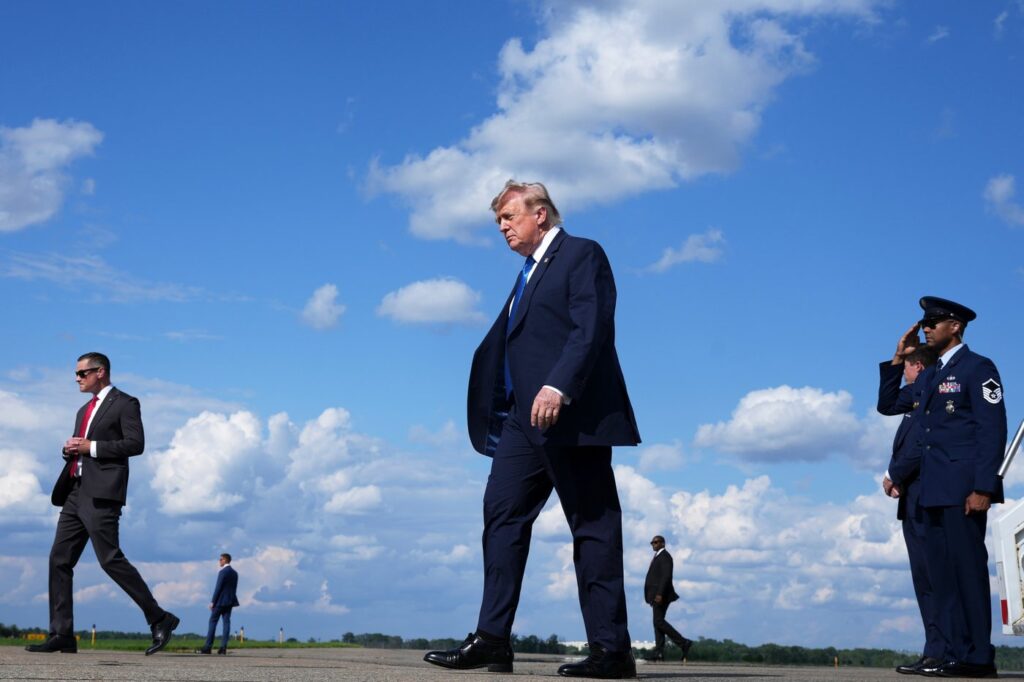
In his announcement of the latest ceasefire deal, Trump emphasized that the process would unfold in "carefully structured phases." The agreement delineates a pathway whereby, as Hamas disarms, Israeli forces will withdraw, subsequently allowing an International Stabilization Force to collaborate with a newly established Palestinian police force to ensure safety in Gaza.
According to documents verified by The Associated Press, the agreement specifies that all weapons held by Hamas's police force will be transferred to the U.S.-backed Palestinian technocratic committee known as the National Committee for the Administration of Gaza. However, the timeline for this transition remains unclear, as it hinges on the completion of other preconditions.
A phased approach to decommissioning and storing heavy weaponry, alongside military infrastructure such as tunnels, will commence once the Palestinian committee arrives and international forces are deployed. This process is intended to coincide with a gradual Israeli withdrawal from the territory.
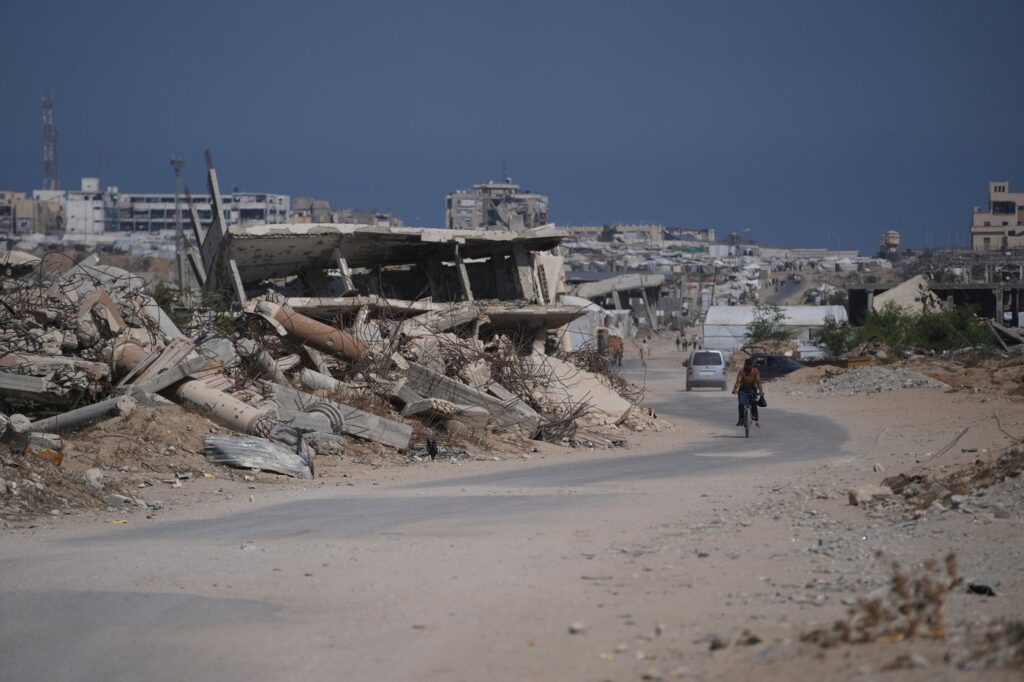
Current estimates suggest that Israel controls approximately 60% of Gaza, predominantly in areas that have been devastated and depopulated. The majority of Gaza's 2 million Palestinians reside in other regions characterized by overcrowded tent camps and reconstruction needs following extensive destruction.
An anonymous Israeli official indicated that no withdrawal would occur before Hamas is disarmed and Gaza is demilitarized. Although Israel is not a direct signatory to this deal, it remains involved in negotiations and consultations with the guarantor countries, including the U.S., Turkey, Egypt, and Qatar.
Hamas, alongside other groups, has reportedly consented to "collect and store" arms under the supervision of the Palestinian technocratic committee, with the understanding that these weapons will not be surrendered to Israel or non-Palestinian entities. Such an armament collection phase is expected to be a gradual process linked to the Israeli withdrawal.
Despite the optimistic presentations from U.S. Board of Peace officials overseeing the ceasefire, significant concerns linger regarding Hamas's willingness to relinquish its extensive military capabilities, as well as the timeframe for full disarmament, which officials estimate could take between 200 to 350 days.
As the conflict continues, the humanitarian situation remains dire in Gaza, stemming from the war initiated by the Oct. 7 Hamas-led attack in southern Israel, which resulted in approximately 1,200 Israeli fatalities and the abduction of 251 individuals. In retaliation, Israel's military campaign has reportedly led to the deaths of over 73,000 Palestinians, including casualties sustained since the ceasefire was instated. The tally provided by Gaza's Health Ministry, which does not differentiate between civilians and militants, indicates that women and children constitute nearly half of the total deaths.