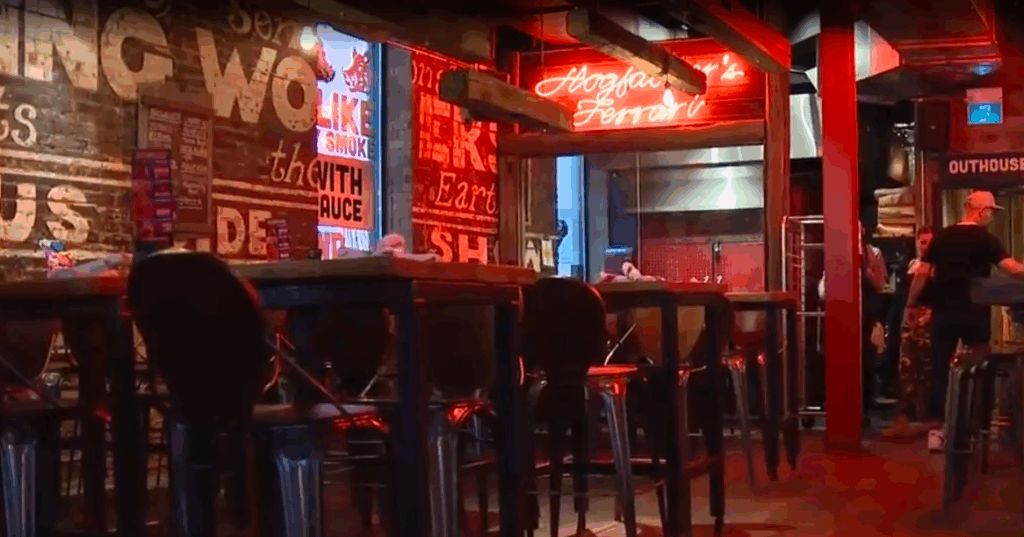
Glen Tymchuck, a dedicated entrepreneur, opened his restaurant, Hogtown Smoke, on Colborne Street in Toronto in 2017, fulfilling a lifelong dream. However, his journey has been marred by persistent challenges that have put his aspirations under severe strain.
In 2019, Tymchuck faced an unexpected dilemma when the City of Toronto initiated construction work right outside his restaurant. This construction lasted for four months, and one morning in May, Tymchuck arrived to find a 10-foot deep gaping hole directly in front of his establishment. The emergency sewer repairs necessitated water shutoffs, resulting in significant financial losses for the restaurant, with Tymchuck lamenting that "no one compensates a poor small business for that."
Shortly after overcoming the challenges posed by the construction, Tymchuck's enterprise was hit hard by the COVID-19 pandemic. “Restaurants were already struggling. Then finally COVID hits and we were first to close down,” he stated. He had invested his entire life savings into the restaurant, making the prospect of losing everything not only devastating but deeply personal.
In the wake of the restaurant's closure, Tymchuck sought to claim his business losses from the Canada Revenue Agency (CRA). However, he encountered a further obstacle when his claim was denied. He stated that he lost nearly $1.5 million in total, intending to claim half of that as business losses. However, despite his claims, the CRA cited various reasons for the denial, questioning the business's status—whether it was closed permanently and if it qualified as a Canadian business.
Additionally, the CRA mentioned that Tymchuck had not provided loan documents from shareholders during his filing, which he argued is an unreasonable expectation for small businesses. “I can tell you that no small businesses are keeping a shareholder loan ledger,” he protested, asserting that it is unfair to penalize small businesses for a lack of such documentation.
The CRA maintains that it is merely following the legal requirements outlined in the Income Tax Act and stated that Tymchuck lacked several documents necessary to substantiate his claims of loss. Tymchuck, frustrated by the process, expressed desperation, stating, “Short of taking a lie detector test, I’m not sure what more I can do."
Facing insurmountable odds, Tymchuck has decided to take the CRA to court. He acknowledges the risk associated with this decision, yet he remains resolute, stating, “I have to go to the bitter end, whether I can afford lawyers or not, I have to keep fighting." He hopes that his fight will prevent others from facing similar predicaments, emphasizing that it’s “not fair what they’re doing.” Ultimately, he wishes to win his case, believing it would exemplify the triumph of the small business against a larger government entity.
Unfortunately for Tymchuck, due to a significant backlog within the judicial system, his lawsuit, filed last year, is not expected to be heard until 2027, leaving him in a state of uncertainty as he awaits a resolution.