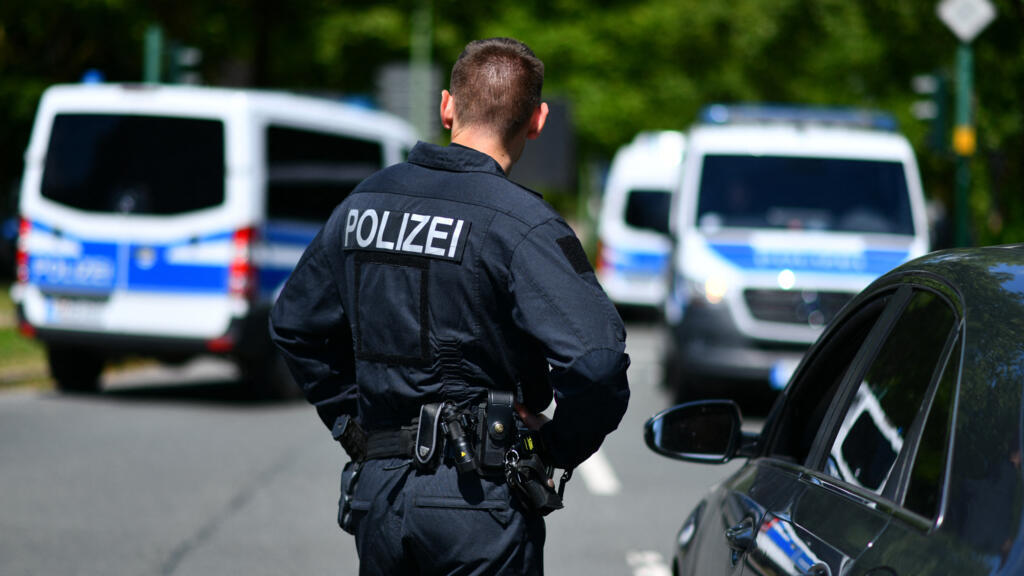
On Thursday, German police announced the detention of a Ukrainian national who is suspected of acting as a low-level agent for a foreign intelligence agency. The 33-year-old individual was arrested on August 2, following an investigation centered on allegations of preparing acts of sabotage against a arms manufacturing company located in Bavaria.
The regional police, in their statement, detailed the circumstances surrounding the arrest, highlighting the individual’s potential involvement in espionage activities. The investigation revealed that the suspect was allegedly plotting against an important defense contractor, which has raised concerns regarding national security and the protection of sensitive military technology.
As tensions between Russia and Ukraine have heightened, the German authorities have been vigilant in monitoring individuals who might pose a threat to its national interests. The arrest of the Ukrainian national underscores the ongoing concerns related to espionage, particularly in defense sectors considered vital to the country's security.
Furthermore, this incident reflects broader geopolitical dynamics, as various nations are increasingly suspicious of foreign operatives engaging in activities that could undermine domestic stability. The German police have stressed the importance of addressing such threats promptly to safeguard both national and regional security.
Details regarding the specific actions the suspect was planning to undertake remain under investigation. However, police authorities are treating this case with utmost seriousness, given the implications it has not only for Germany but potentially for other European nations that share similar security challenges.
The detainment of the Ukrainian national has sparked discussions about the balance between ensuring national security and recognizing the rights of individuals within European states. As the investigation continues, it is expected that more information will emerge, shedding light on the motivations behind the suspect's actions and the larger context of international espionage.
This case serves as a pertinent reminder of the ongoing challenges that many countries face from foreign intelligence operations, illustrating the complex interplay of international relations and security measures. The ramifications of such arrests can have lasting impacts on diplomatic relations and public perception of foreign nationals residing within a country.
The authorities remain committed to pursuing all avenues to prevent any potential sabotage efforts and protect the integrity of crucial defense manufacturing capabilities. This incident is likely to increase scrutiny on individuals connected to foreign agencies as concerns about espionage remain heightened in light of ongoing geopolitical tensions.