In Vernon, B.C., Tom Davison was initially skeptical about the investment in firefighting equipment made by his son-in-law for their orchard, especially after the wildfire of 2021, which had only inflicted smoke damage. He believed such an event would be a rarity, a once-in-a-century occurrence. However, when high winds in August 2023 drove flames up to the orchard’s fence, he was thankful for the preparedness that helped protect their family's five-generation legacy.
After ensuring the safety of staff, Davison's son and son-in-law stayed behind to operate the hoses at the property’s edge, successfully safeguarding the orchard and assisting a neighbor who had lost some outbuildings. Their home was ultimately saved, but this experience echoed a larger trend among farmers and ranchers across British Columbia, who are often left with hard choices during wildfire evacuation orders.
As of late August 2023, 221 agricultural premises in B.C. remain under evacuation orders due to ongoing wildfire activity. Kaylee Jameson, one of nine individuals who defied such orders at Sweet Pea Farms near Vernon, was focused on protecting over 100 animals amidst the chaos. Having previously endured the devastation of a fire in 2021, the group—including the farm's owner and family—was determined not to repeat that outcome.
Jameson expressed the emotional stakes, stating, "I’m not leaving without my horses and my dog and my cats.” They had attempted to evacuate the animals but time ran out as conditions worsened. Multiple wildfires, including the Bradley Creek fire around Okanagan Lake, have been exacerbated by strong winds and drought conditions in the region.
Officials have consistently stressed the importance of adhering to evacuation orders as vital life-safety measures. The Central Okanagan emergency management centre reiterated that the evacuation notice should be taken seriously, urging residents to leave immediately. Premier David Eby acknowledged the difficult position farmers find themselves in, especially when livestock may be at risk, emphasizing that saving human lives must come first.
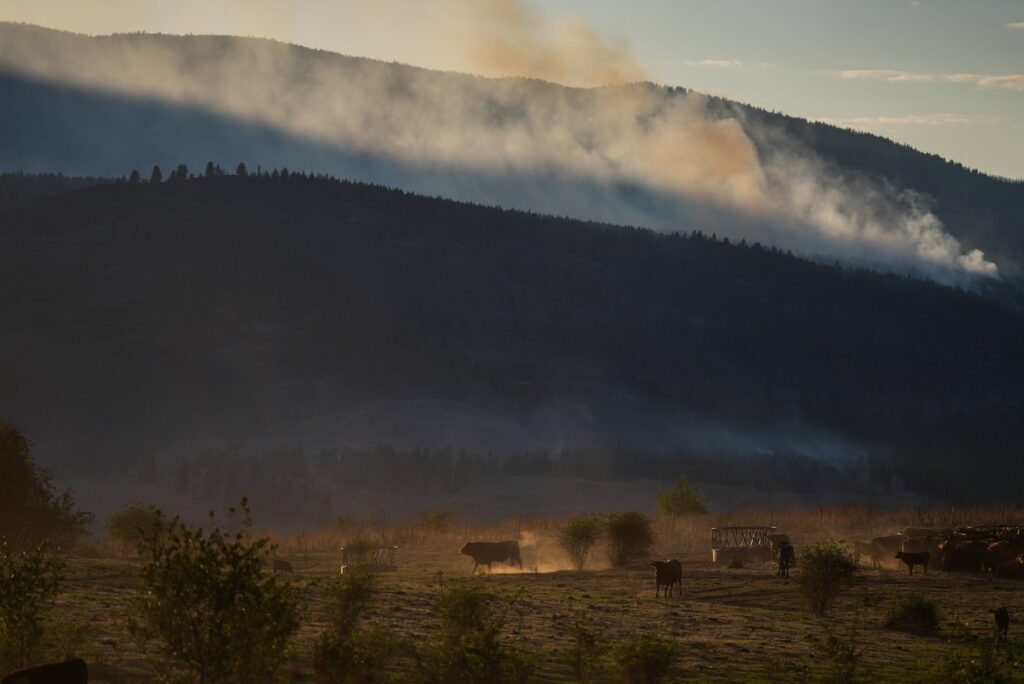
A provincial initiative allows farmers at risk to temporarily relocate their animals to places like stockyards and rodeo grounds, but this option is not feasible for all types of livestock. Kevin Boon, general manager of the BC Cattlemen’s Association, highlighted the stress that relocating cattle can cause, which sometimes motivates ranchers to stay and safeguard their herds instead of evacuating.
Ranchers are often more prepared to remain during wildfires, employing tactics such as trimming grass and clearing away trees to minimize risk. Boon noted that many of them possess effective firefighting equipment, such as water trucks and excavators, which they use to protect their livestock and property. He explained that many ranchers can attack small fires before they escalate and will evacuate if the risk becomes too high.
Adrian Arts, executive director of the BC Fruit Growers’ Association, affirmed that farmers have the right to attempt to protect their properties during emergencies, provided they do not endanger others. In light of the ongoing wildfire crisis, he discussed how the current season is critical for fruits, especially as cherry farmers face tight timelines for harvest.
At Sweet Pea Farms, Jameson and her group implemented safety measures like setting up sprinklers and cutting back brush. Although flames did not reach their property, they continue to await the evacuation order's lifting. Meanwhile, the impact of the wildfires is acutely felt beyond their farm, with an estimated 230 homes reported lost in the community, emphasizing the far-reaching effects of this natural disaster.
Arts remarked on the deep connection that farmers have with their land, explaining that to those outside agriculture, staying behind during wildfire threats might seem irrational. However, for farmers, their land represents a significant part of their identity and livelihood, making the devastation caused by wildfires particularly heartbreaking.