Lindsay Clancy’s murder trial has reached a crucial stage as the jury deliberates following a month of intense testimony related to the tragic deaths of her three children in 2023. The case has ignited widespread discussions online and prompted protests outside the courthouse, focusing on maternal mental health and the shortcomings of the mental health system. The jury began deliberations around 12:30 p.m. after closing arguments concluded on Thursday.
Clancy, a 36-year-old woman from Massachusetts, is facing serious charges for the murder of her three children: Cora, aged 5, Dawson, aged 3, and Callan, aged 8 months. While she has not denied killing them, she maintains a plea of not guilty due to a lack of criminal responsibility. The tragic incidents occurred on January 24, 2023, while Clancy was on maternity leave from her job as a labor and delivery nurse. She has been in custody since the children were found.
The grim details of the case reveal that the children were strangled with exercise bands in their home located in Duxbury, Massachusetts. Their father, Patrick Clancy, discovered the children when he returned home from running errands that Lindsay had requested. He found her severely injured outside, having jumped from a second-story window, and she is now paralyzed from the waist down, reliant on a wheelchair.
The core of the trial revolves around Clancy’s mental health and whether she understood that her actions were wrong at the time of the killings. Prosecutors argue that she was aware of her actions, citing her involvement in regular activities on the day of the murders, such as taking her children to the doctor and engaging with them in the snow. They assert that she intentionally sent her husband on errands to leave her alone, highlighting doubts about the sincerity of her suicide attempt.
On the other hand, Clancy's defense lawyer, Kevin Reddington, argues that Clancy was suffering from severe mental illness, specifically bipolar disorder and postpartum psychosis, which impaired her understanding of reality and led her to believe that she was doing what was best for her children. In her diary entries prior to the events, Clancy expressed feelings of anxiety, being overwhelmed, and a desire for mental relief from her responsibilities.
Both sides have utilized expert testimony to back their respective claims regarding Clancy’s mental state. A forensic psychiatrist, hired by the defense, testified that Clancy was "clearly psychotic," convinced that death was a better option for her children than abandonment. Conversely, prosecution experts agreed on Clancy’s psychological struggles but argued that she was not suffering from psychosis at the time. They contended that she was aware of her actions and understood right from wrong.
Postpartum psychosis, the condition Clancy’s defense argues she suffered from, is a rare but severe condition that can result in disorganized thinking, hallucinations, and other serious symptoms. It affects approximately 1 to 2 women per 1,000 after childbirth, with higher risks for those with pre-existing mental illnesses like bipolar disorder. It is distinct from postpartum depression, which is more prevalent.
In the lead-up to the tragic events, testimony indicated that Clancy began her downward spiral approximately three months after Callan's birth. She sought help from various providers and even voluntarily admitted herself to a psychiatric hospital shortly before the incident. The defense claims that her treatment was fragmented and that her medication management was inadequate, leading her to pursue legal action against healthcare professionals involved in her care.
Prosecutors have contended that Clancy had significant access to mental health care but sometimes failed to follow medical advice or consistently take her medications. Clinicians confirmed that although she reported feeling suicidal, she consistently denied having a plan to harm herself or others and did not display symptoms of mania or psychosis at those times. However, her family reported that she had expressed worries about harming her children prior to the incident.
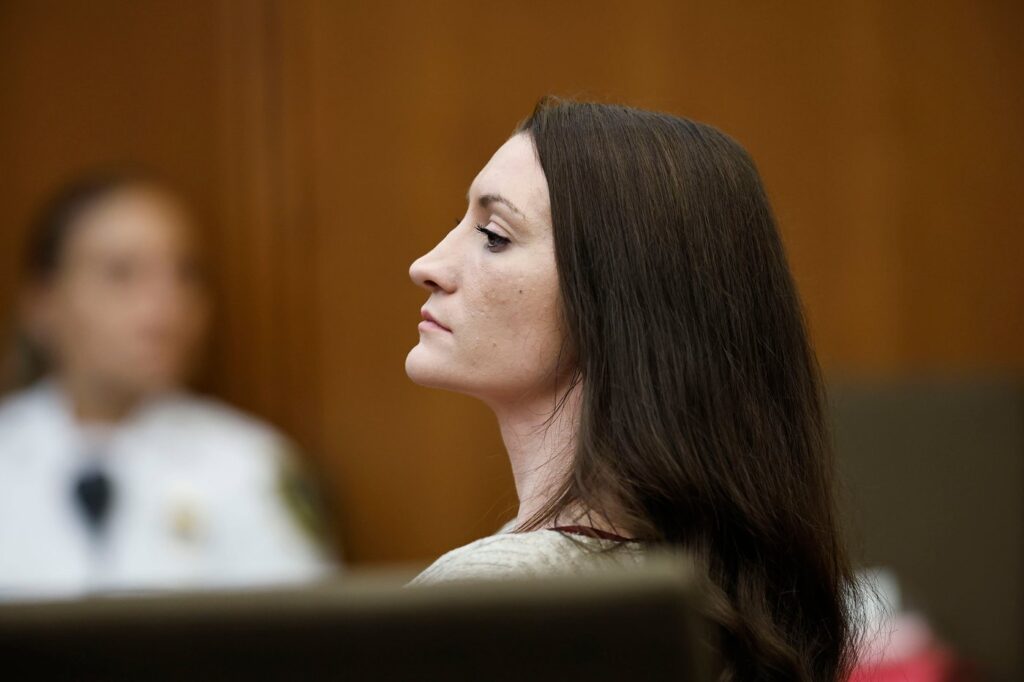
Clancy did not take the stand in her own defense, instead watching the trial’s proceedings from the defense table, often visibly emotional, especially during the presentation of autopsy photographs of her children.
Possible outcomes of the trial include a conviction, which could result in a life sentence without the chance of parole. If the jury finds her not guilty due to a lack of criminal responsibility, the court will determine whether she can be released or remains in a mental health facility. Should the jury be unable to reach a unanimous decision, the prosecution may have to decide whether to retry the case or what steps to take if a mistrial is declared.