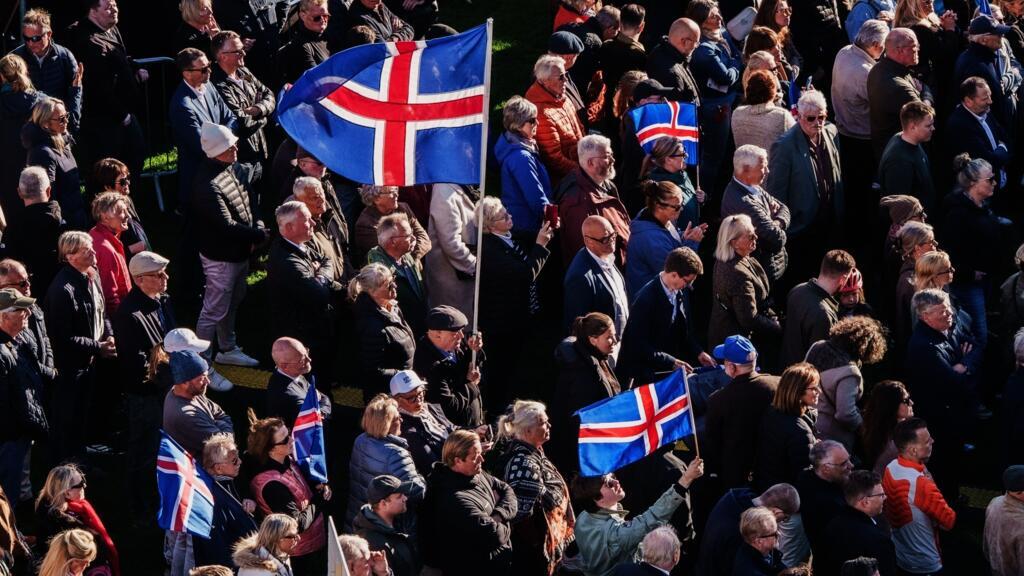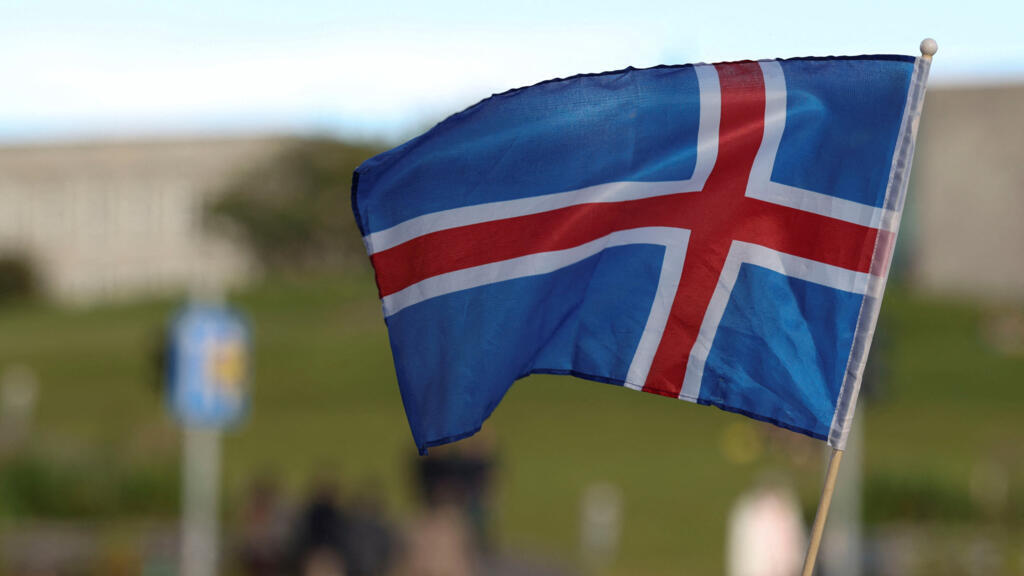
Icelanders have decisively voted against the reopening of European Union membership talks, as the official results released on Sunday indicate. This outcome represents a significant setback for the Icelandic government, which has been advocating for the country's integration into the EU. The referendum's results underscore the public's strong sentiments regarding the protection of Iceland’s fishing waters, which many citizens believe are vital to the nation’s economy and cultural identity.
The rejection of EU membership talks reflects a deeper concern among Icelanders about the potential impacts of joining the bloc. Specifically, the fishing industry, a crucial sector for Iceland’s economy, has been at the forefront of the debate. Many voters expressed apprehension that EU membership could jeopardize their control over their fishing resources and negatively affect their traditional practices. The nation's rich fishing waters are considered integral to maintaining Iceland's sovereignty and economic independence.
The referendum, which has sparked intense political discussions, highlights the contrasting views within Iceland. Supporters of EU membership argued that participation in the bloc would bring economic benefits, increased trade opportunities, and greater political stability. Conversely, opponents, predominantly from the fishing industry and rural communities, emphasized the risks associated with sharing control over critical natural resources and the potential regulatory constraints that could arise from EU policies.
The results of this referendum have also disappointed officials in Brussels who were optimistic about the possibility of welcoming Iceland into the European Union as a new member state. Their hopes were based on Iceland's strategic location in the North Atlantic and its established democratic governance. However, the results indicate that a significant portion of the Icelandic population remains resistant to the idea of deeper integration with the EU.
In the wake of this decision, the Icelandic government faces a challenging political landscape. While some members may continue to support the vision of joining the EU, the public’s clear rejection signals that any future discussions on the matter will need to carefully address citizens' concerns over fishing rights and national sovereignty. The discourse surrounding EU membership is likely to remain a contentious topic in Icelandic politics for the foreseeable future, as the government reassesses its strategy in light of the public's strong stance against negotiations.
Overall, the results of the referendum reflect the complex and often conflicting sentiments surrounding international alliances and local interests in Iceland. The rejection of EU membership talks serves as a reminder of the importance of public opinion in shaping national policy and the challenges that governments face in navigating such sensitive issues. As the political landscape evolves, it will be essential for Icelandic leaders to remain attuned to the desires and concerns of their constituents, especially regarding the management of vital resources like fishing stocks.