Russia is increasingly on high alert regarding NATO's activities in the Arctic region, viewing them as a direct security threat. This sentiment was articulated by Russian Foreign Minister Sergei Lavrov during a statement made on Monday. As geopolitical tensions escalate, particularly between Moscow and Western nations, the Arctic has become a focal point of military and strategic interest.
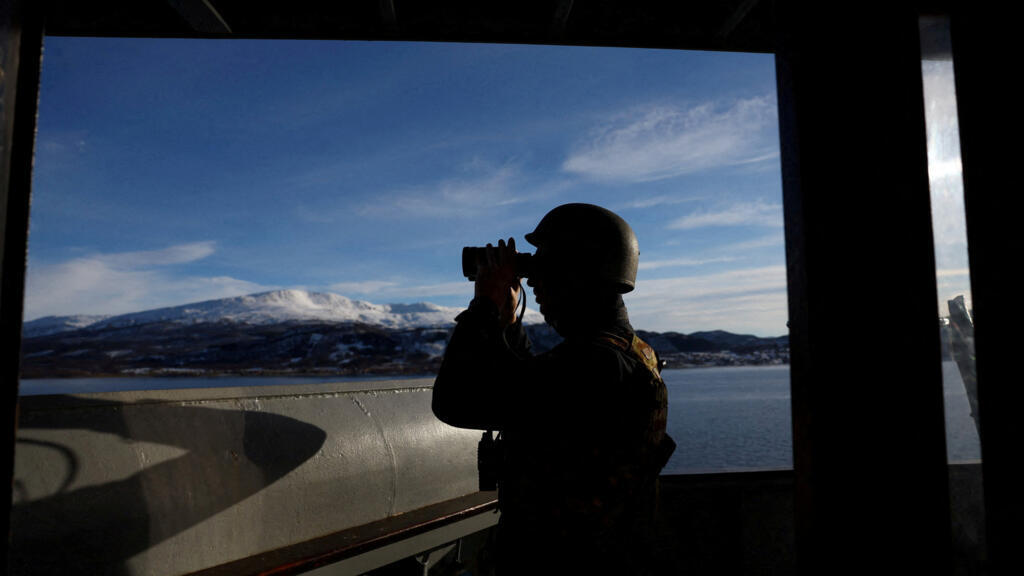
The backdrop to these developments is NATO’s launch of the Arctic Sentry mission in February. This mission aims to bolster NATO's presence in the Arctic as concerns grow over potential Russian military actions and aspirations in the region. The Arctic's significance is underscored by its rich natural resources and the potential opening of new shipping routes as climate change continues to impact global weather and ice patterns.
Lavrov's comments reflect a broader concern within the Russian government about NATO's expanding footprint in the Arctic. Russia perceives this enhanced military activity not only as a threat to its national security but also as an encroachment on what it considers its sphere of influence. The Arctic is a vital area for Russia, both economically and strategically, and any perceived aggression from NATO is likely to be met with stern warnings and increased military readiness from Moscow.
Further complicating this situation are the geopolitical maneuvers of the United States, particularly during the administration of former President Donald Trump. Trump's well-documented interest in acquiring Greenland—a self-governing part of the Kingdom of Denmark—was viewed in Russia as a tactical move that could shift power dynamics in the Arctic. This ambition further fueled tensions, as it suggested a desire for greater US control over Arctic resources and routes.
In response to NATO's activities and the broader context of US ambitions in the region, Russia has reiterated its commitment to safeguarding its territorial integrity and interests in the Arctic. The Russian government has also announced plans to bolster its military capabilities in the Arctic, including the establishment of new military bases, and enhancing the operational readiness of its Northern Fleet.
The discourse surrounding the Arctic Sentry mission and the rise in military posturing is indicative of the ongoing struggle for influence in a region that is becoming increasingly important due to environmental changes and the promise of untapped resources. The Arctic holds significant potential for oil, gas, and other minerals, making it a hotbed of rivalry among not only NATO member states but also countries with interests in Arctic affairs, such as China.
Lavrov's assertion regarding NATO's actions highlights the friction between Russia and NATO and illustrates the divergent goals each side holds in relation to the Arctic. As nations navigate these complex international waters, the need for dialogue and understanding is paramount to prevent escalation and foster cooperative management of the Arctic's resources.
In conclusion, the interplay between NATO's increasing military presence and Russia's vigilant response signifies a critical juncture for Arctic geopolitics. With the potential for ongoing tensions, the Arctic may remain a contentious battleground for power, resources, and influence among global players.