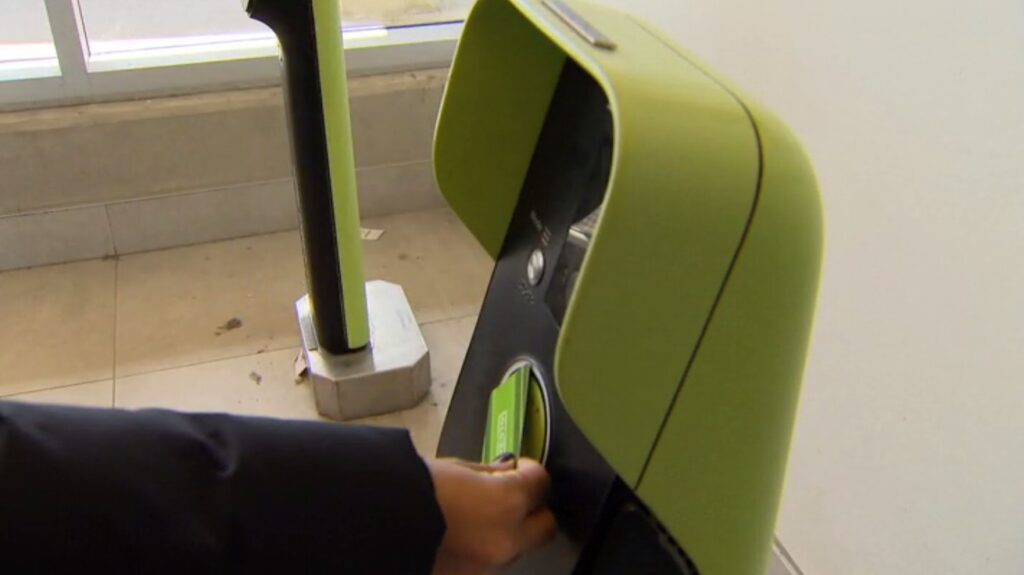
The Toronto Transit Commission (TTC) recently implemented fare-capping measures, limiting riders to a maximum of 47 rides per month as of September. Mayoral candidate Olivia Chow, currently serving as mayor, announced an ambitious plan to further lower costs, pledging to cap fares at just 10 rides per week if she secures re-election in the upcoming fall elections.
During the launch of her re-election campaign, Chow detailed that after a rider pays for 10 trips in a given Monday to Sunday week, any additional TTC trips for that week would be free. This initiative aims to provide immediate savings for commuters, particularly for those who travel to work on weekdays and would consequently enjoy free rides over the weekend.
Chow emphasized that this new weekly cap would allow riders to save money more quickly, especially for those who may have variable work schedules. "If you work from home, get sick or go away for part of a month, you won’t lose the chance to save because you missed a monthly threshold," Chow stated. This measure is designed to encourage more residents to opt for public transit, thereby helping to alleviate traffic congestion.
Beyond the weekly fare cap, Chow has previously committed to lowering TTC fares to an equivalent of 40 rides per month by 2027, a change that has already been budgeted at $12.2 million. In her latest campaign promises, she reiterated the target of 40 rides but proposed a shift from a monthly to a weekly capping system, along with a promise to freeze fares for a fourth consecutive year.
Chow officially launched her re-election campaign on a Wednesday and is one of 53 candidates vying for the mayoralty of Toronto. Recent polls from Liaison Strategies suggest that Chow holds a significant lead over her principal competitor, former Beaches-East York councillor Brad Bradford.
In response to Chow's fare reduction announcement, Bradford's spokesperson, Mark Pelayo, argued that factors other than fare costs are deterring riders from using the TTC. He pointed out that under Chow's administration, TTC ridership declined in 2025 and 2026, while reported delays increased by 12 percent. "People aren’t choosing the TTC because under Mayor Chow, it isn’t safe and it isn’t reliable," Pelayo stated.
Bradford’s campaign has proposed various measures to improve TTC safety and reliability, including the presence of police officers at every subway station, installing platform edge doors, and implementing a money-back guarantee for riders waiting more than 15 minutes past the scheduled time.
Coming third in the latest poll is former MP for Ajax-Pickering, Chris Alexander, who criticized Chow's fare-capping proposition as a sign of weakness, accusing her of admitting failure regarding the city's transit strategy. He remarked that the announcement of fare reductions appeared to be a last-minute tactic to regain voter support, pointing out ongoing reliability issues as the root cause of dwindling ridership. Alexander contended that instead of merely lowering fares, the administration should address reliability to attract more riders and enhance revenue.
"Instead of enhancing the TTC, which means improving reliability, bringing in more revenue, and attracting more riders, she’s ignoring the core issues that hold us back," Alexander said. He suggested that fare reductions should specifically target students, seniors, and other groups on fixed incomes who would benefit most from such measures.
Toronto residents will head to the polls on October 26, with advanced voting opportunities available from October 6 to October 11.