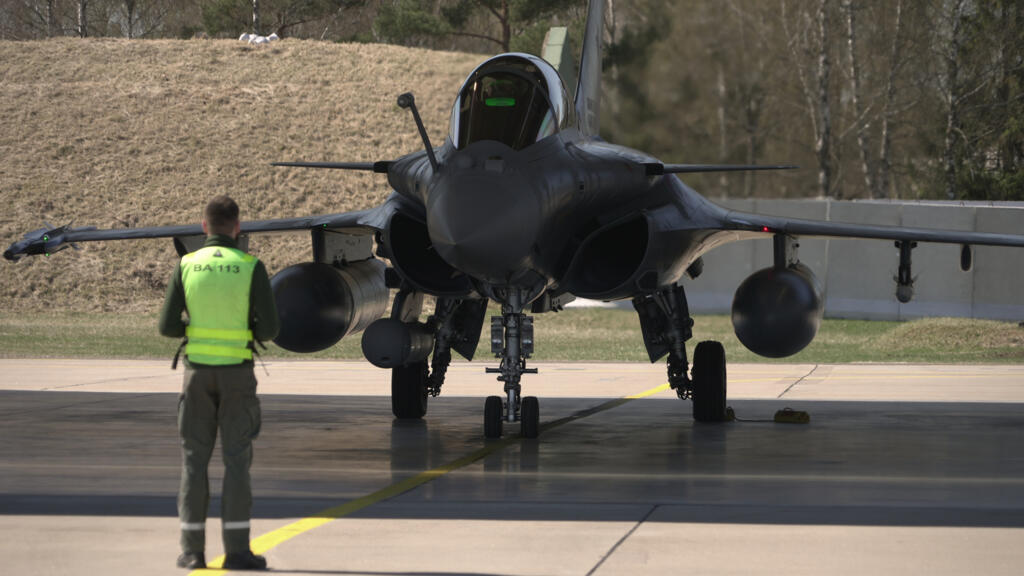
NATO scrambled fighter jets overnight to intercept a drone that had penetrated Lithuanian airspace, exacerbating concerns regarding security on the alliance's eastern flank. This incident underscores the rising tensions between NATO member states and Russia, as the latter has been increasingly active in the Baltic region. The response from NATO highlights the alliance's commitment to safeguarding its member countries, especially those that share borders with Russia.
In a separate but related incident, Denmark reported that a Russian warship had fired two emergency flares at a Danish helicopter operating in the Baltic Sea. This provocative act prompted Denmark to summon the Russian ambassador, categorizing the action as "reckless." The Danish Defense Minister condemned the incident, emphasizing the importance of maintaining safe and secure operations in international waters.
The incidents reflect a broader pattern of military provocations and heightened alertness among NATO nations in response to Russian maneuvers in their vicinity. Over the past few months, there has been a noticeable increase in military activities and airspace violations involving Russian aircraft and naval vessels, raising alarm among NATO allies.
These recent developments are emblematic of the complex security landscape in Eastern Europe, where NATO countries are on high alert due to various incursions by Russian forces. The situation is particularly sensitive given the ongoing conflict in Ukraine and Russia's sustained military presence in the region.
As tensions continue to escalate, NATO's response mechanisms and inter-member cooperation appear to be under scrutiny. The alliance's rapid deployment capabilities, such as the scrambling of fighter jets in response to the drone incident, point to a concerted effort to reinforce deterrence measures against potential aggression.
In light of these incidents, both Denmark and Lithuania are likely to review their defense postures and readiness levels. The scrutiny of Russian military maneuvers will also likely lead to increased surveillance and intelligence-sharing among NATO allies as a precaution against future incursions.
Overall, these events highlight the fragile security dynamics in Northern and Eastern Europe, with NATO members on alert and prepared to respond to any potential threats. The international community is closely monitoring the situation as it develops, emphasizing the significance of diplomatic channels to prevent further escalation. Cooperation and communication among NATO allies will be essential in navigating these turbulent waters, ensuring collective security in the face of persistent challenges from regional adversaries.