Hashim Thaci Found Guilty of War Crimes
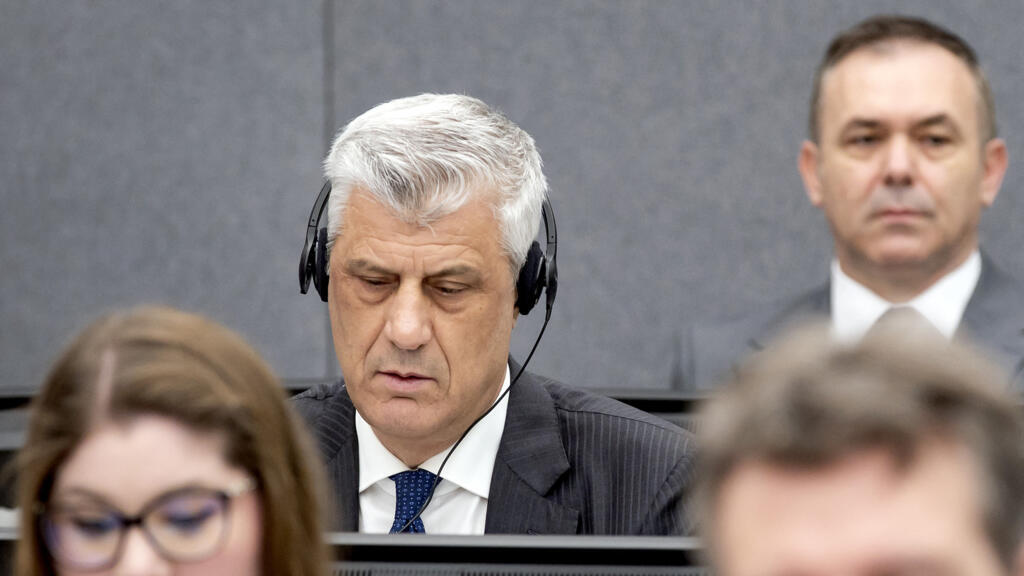
On Wednesday, a tribunal in The Hague delivered a significant verdict against former Kosovo President Hashim Thaci, declaring him guilty of war crimes that were committed during the Kosovo War. The court specifically found Thaci culpable for crimes against humanity, which included serious offenses such as murder, torture, and illegal detentions as part of his role in the Kosovo Liberation Army (KLA).
This ruling marks a pivotal moment in the ongoing efforts to bring justice to the victims of the Kosovo conflict, which spanned from 1998 to 1999. The tribunal also addressed the broader context of the war, which saw the KLA engage in various illegal activities in the pursuit of independence from Serbia. Thaci, who served as the leader of the KLA during this tumultuous period, was one of several prominent figures to face charges in this landmark case.
Thaci received a sentence of 25 years in prison, a punishment that reflects the gravity of his actions and their impact on countless lives during and after the war. Alongside him, several other former KLA commanders were also found guilty and sentenced, highlighting the collective responsibility of leadership in the conflict. The verdict emphasizes the tribunal's commitment to holding individuals accountable for war crimes, regardless of their political status or previous positions of power.
The trial, which has attracted significant international attention, has drawn mixed reactions from various stakeholders. Supporters of the former president and KLA argue that the charges are politically motivated and intended to undermine the achievements of the Albanian struggle for independence. Critics, however, view the verdict as a critical step toward accountability, shedding light on the darker aspects of the war and the suffering endured by many non-combatants.
The proceedings in The Hague have served as an essential platform for survivors and victims' families, allowing them to recount their experiences and seek redress for the atrocities committed. Testimonies presented in court detailed harrowing accounts of violence and abuse, contributing to a narrative that advocates for justice and recognition of the war's impact on civilians.
The tribunal’s decision also raises questions about the broader implications for Kosovo's political landscape. With Thaci being a central figure in the post-war government, his conviction could influence the future of political dynamics in Kosovo and perceptions of the KLA's legacy. As the country continues to navigate its path towards reconciliation and integration within Europe, this verdict may play a crucial role in shaping public discourse around justice and accountability.
The sentencing sends a clear message regarding the international community's stance on war crimes and human rights violations. It underscores the necessity of ensuring that those in positions of power are held accountable for their actions, a principle that is vital for fostering peace and preventing future atrocities. As the trial concludes, it remains to be seen how Kosovo will deal with the repercussions of this historic ruling and the path forward for its society.