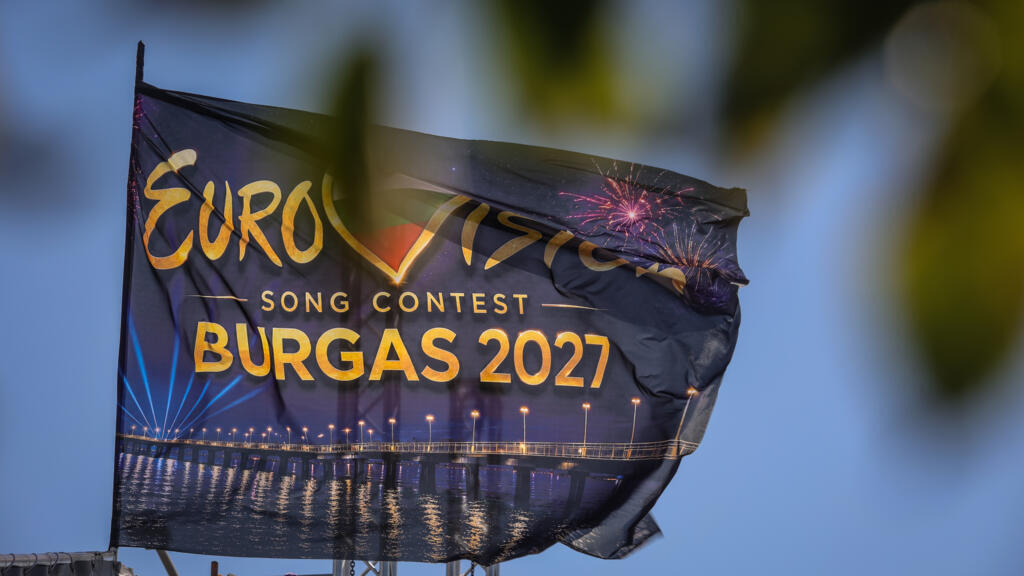
Ireland has announced that it will boycott the 2027 Eurovision Song Contest for the second consecutive year, following its participation in a protest against Israel’s inclusion in the event. The announcement was made by the country’s public broadcaster, RTÉ, on Thursday. This decision comes in the wake of ongoing tensions and conflict in Gaza, which have prompted several nations to take a stand through their absence from the iconic music competition.
In 2026, Ireland was one of five countries, alongside the Netherlands, Iceland, Slovenia, and Spain, that chose to skip the Eurovision Song Contest. This collective boycott was rooted in the countries’ opposition to Israel's role in the contest, reflecting deep concerns over the humanitarian crisis resulting from the ongoing war in Gaza. The situation has sparked global outrage and discussions about political issues within international cultural events, leading to a growing movement among nations to use their platforms for protest.
The Eurovision Song Contest, known for its celebration of cultural diversity and musical talent, has often been affected by political tensions. This year's event saw countries rallying around solidarity for Gaza, emphasizing the impact of sociopolitical matters on global entertainment platforms. Ireland's continuing absence signals its strong stance on the matter, showcasing its commitment to advocating for human rights and humanitarian issues on a global scale.
The decision to boycott the contest is part of a larger narrative regarding the intersection of politics and arts. Many countries face pressure from their citizens and advocacy groups to take meaningful actions in response to international conflicts, and the Eurovision Song Contest has increasingly become a stage for such expressions. By opting out, Ireland not only aligns itself with other nations advocating for change but also encourages dialogue about the implications of political participation in cultural events.
As the 2027 Eurovision approaches, the ongoing debate surrounding the participation of countries in light of humanitarian crises will likely continue to gain traction. Ireland's stance serves as a reminder of the power of art and culture to reflect societal values and the complexities of international relations. The repercussions of these decisions extend beyond music, as they contribute to shaping public perception and diplomatic relationships worldwide.
In summary, Ireland's boycott of the 2027 Eurovision Song Contest reflects a significant political statement in the context of ongoing conflicts. The participation of nations like Israel in global cultural events is increasingly scrutinized, making the Eurovision stage a battleground for cultural and political expression. As tensions persist, the interaction between politics and art will remain a crucial topic for discussion among participating countries and within the broader international community.