MINNEAPOLIS (AP) – A federal immigration officer, Christian Castro, has been charged with shooting a Venezuelan man, Julio Cesar Sosa-Celis, during a controversial immigration crackdown that occurred in Minneapolis earlier this year. Castro made his initial court appearance in a Minnesota courtroom on Thursday, following a protracted legal and political struggle over his extradition from Texas to face state charges.
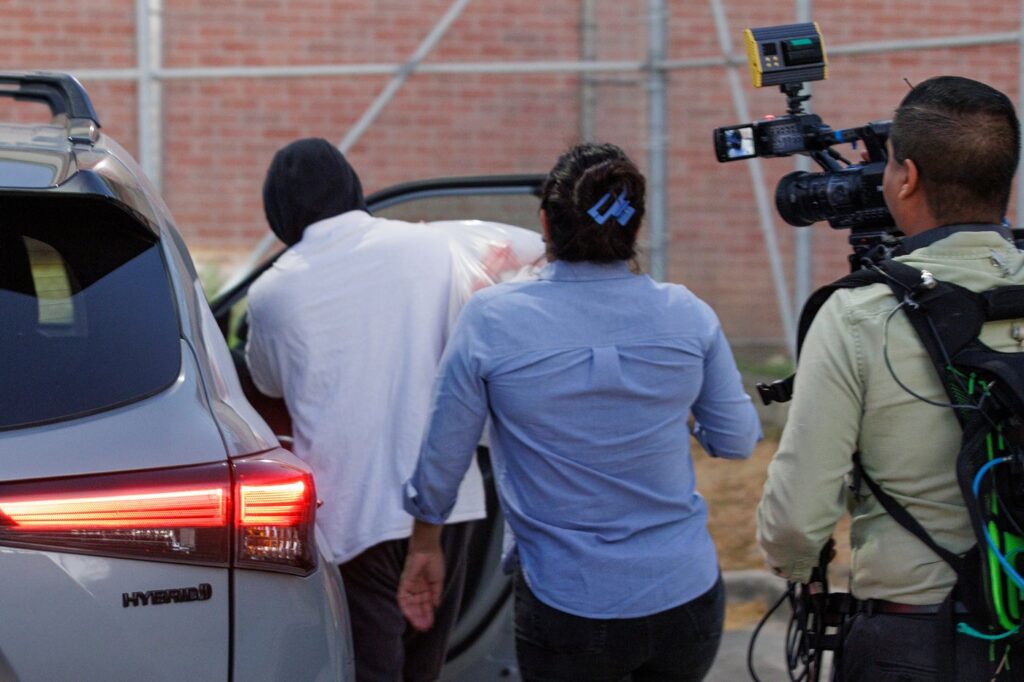
During the hearing, Castro, aged 52, appeared handcuffed and clad in an orange jumpsuit, standing quietly in a glass enclosure. The proceeding was presided over by Judge Paul Scoggin, who set Castro's bail at $400,000 or $200,000 contingent on him agreeing to certain conditions, including signing a waiver that prohibits him from contesting extradition back to Minnesota if he leaves the state while on bail.
Shortly before the hearing, Castro had been arrested on Wednesday by the Minnesota Bureau of Criminal Apprehension on state charges that include assault and false reporting of a crime associated with the shooting incident in January. Notably, Minnesota prosecutors charged Castro in May, though efforts to extradite him from Texas were initially hindered.
The case against Castro centers on allegations that he shot Sosa-Celis, 24, in the leg by firing through the front door of a home in Minneapolis. Prosecutors further assert that Castro falsely claimed he had been assaulted prior to discharging his firearm, stating he was attacked with a broom handle and a snow shovel.
Castro's attorney, Daniel Gerdts, chose not to comment post-hearing. Castro’s legal troubles have escalated, with both state and federal charges looming over him. The federal charges include making false statements to investigators concerning the shooting incident, with a separate hearing scheduled on Friday in U.S. District Court in St. Paul. In this case, his defense attorneys have indicated that he plans to plead not guilty.
This prosecution represents a significant moment in the Justice Department's actions, marking the first instance of a federal officer being prosecuted for conduct associated with Operation Metro Surge—a large immigration enforcement operation that took place in the Twin Cities earlier in 2023. This operation elicited widespread protests and resulted in two U.S. citizens being fatally shot by federal officers.
The legal dispute has drawn political lines, with the Trump administration asserting that only federal authorities possess the jurisdiction to prosecute Castro. The Department of Homeland Security has labeled Minnesota's prosecution attempt as “unlawful” and dismissed it as a political maneuver.
Castro was initially arrested in Cameron County, Texas, on May 29, after a nationwide warrant was issued by a Minnesota judge. The legal framework in Texas allowed him to be held for a period of 90 days while Minnesota sought extradition. However, Texas Governor Greg Abbott refused to sign the extradition warrant last month, leading to Castro’s release in Texas. Shortly thereafter, he was indicted on federal charges, prompting him to voluntarily return to Minnesota to face these allegations.
As the legal proceedings continue, the case of Christian Castro underscores significant tensions surrounding immigration enforcement and the jurisdictional battles that follow high-profile incidents involving federal officers. With ongoing hearings and the complexities of state versus federal jurisdiction, the outcome of this case remains critical, not just for those directly involved but also for broader implications for immigration policy and enforcement practices in the United States.