BILLINGS, Mont. (AP) – A new interpretation of the Endangered Species Act (ESA) by the Trump administration indicates a significant shift in the enforcement of this pivotal environmental law. Under the recent directive, killing endangered animals while logging or constructing dams will not be considered illegal unless those animals are explicitly targeted.
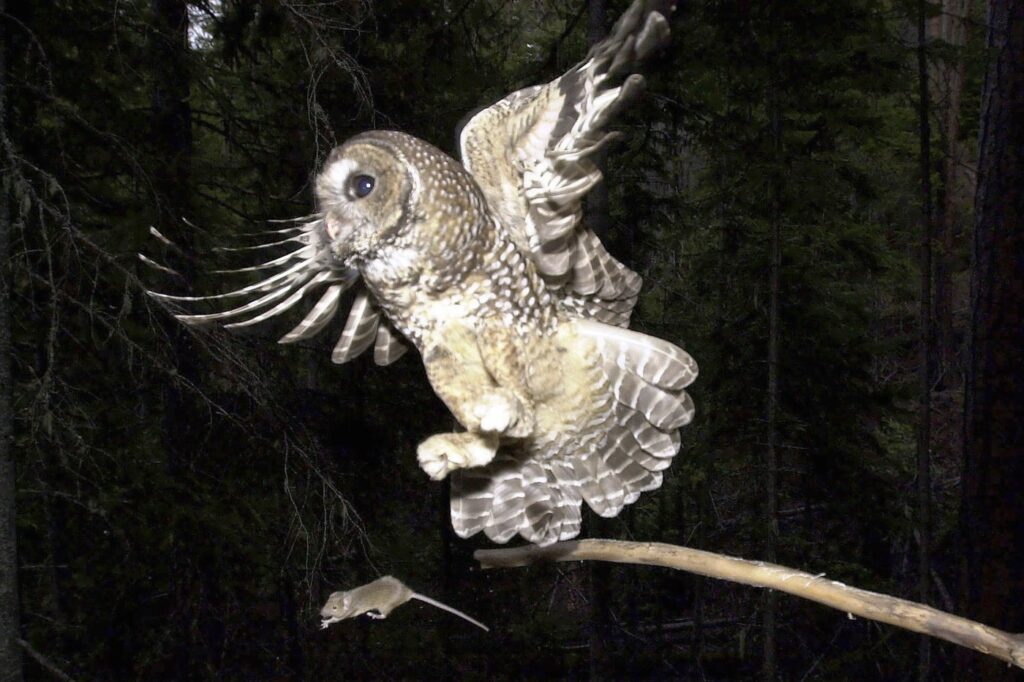
This reinterpretation was conveyed to employees of the U.S. Fish and Wildlife Service earlier this week, establishing that harming endangered species must involve intentional actions for it to be deemed illegal—a stark contrast to the previous approach that held individuals accountable even for inadvertent harm to protected species such as grizzly bears, manatees, and spotted owls.
Dan Ashe, a former director of the Fish and Wildlife Service under President Barack Obama, criticized the new directive, stating, “It just creates a huge loophole.” Ashe, who currently serves as president of the Association of Zoos and Aquariums, emphasized that this change absolves people from responsibility for predictable consequences of their actions. Experts argue that the new guidelines would enable timber companies to engage in logging in the Pacific Northwest, even where it could jeopardize vulnerable bird populations, or for developers to construct dams knowing they might harm salmon populations.
The Trump administration, encouraged by Republican lawmakers and industry lobbyists, has been progressively dismantling critical components of the ESA. These officials assert that they are returning the law to its original intent, particularly following a 2024 Supreme Court ruling that constrained federal agencies' authority to interpret environmental regulations enacted by Congress. In response, various states and conservation organizations have initiated multiple lawsuits aimed at reversing these changes.
The directive concerning the definition of 'harm' under the ESA was detailed in a Sept. 14 communication from Fish and Wildlife Service Director Brian Nesvik. He stated, “Felling a tree is not a take of the bats roosting in it unless the tree is felled for the purpose of killing or capturing them.” Nesvik argued that any impacts on the bats would be considered indirect and accidental.
This directive, first reported by The New York Times, relies significantly on a dissenting opinion from the late Justice Antonin Scalia in a 1995 Supreme Court ruling. It builds on a new rule issued by the Fish and Wildlife Service in July that effectively narrowed the definition of “harm” under the ESA. This new directive will facilitate the implementation of this adjusted rule, as indicated in a statement released by the Interior Department, which oversees the Fish and Wildlife Service.
According to the Interior Department, the ESA’s existing prohibitions still cover harmful conduct, including harassment, hunting, wounding, and killing of protected wildlife. However, experts warn that these recent modifications might expedite extinction rates by allowing the death of protected species and paving the way for habitat destruction. Noah Greenwald from the Center for Biological Diversity characterized these alterations as a “free-for-all” that prioritizes industrial interests over ecological well-being.
Historically, federal agencies worked collaboratively with individuals and corporations to mitigate harm to endangered species through habitat conservation plans and permit systems for incidental killings. Under the new interpretation, only those acting directly against animals—such as hunters, trappers, and pesticide applicators—will require permits. Sandi Snodgrass, an attorney at Holland and Hart, indicated that some companies might still opt to pursue permits as a precaution against future policy shifts or citizen-led lawsuits.
The Endangered Species Act is recognized for successfully recovering several iconic species, such as the bald eagle, American alligator, and California condor from near extinction. In the past, efforts to roll back provisions of the act occurred during Trump's initial term, only to be reinstated under President Joe Biden, and subsequently revived again during Trump's second term.