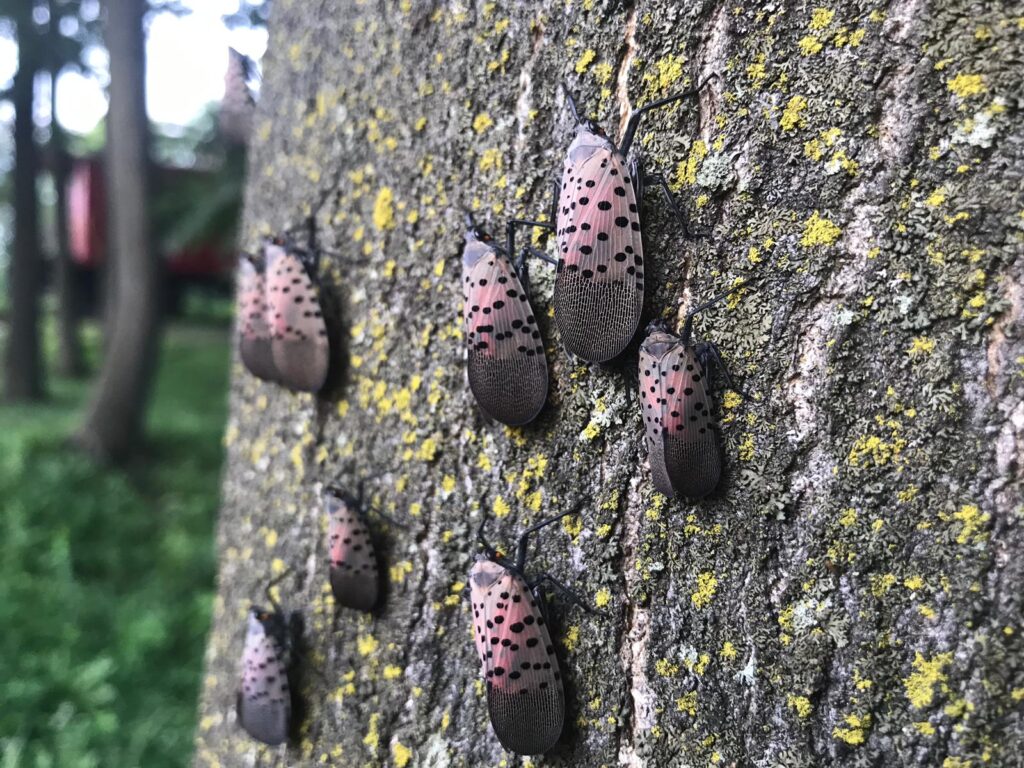
The spotted lanternfly, an invasive pest native to Southeast Asia, has made its first appearance in Canada, specifically detected in Windsor, Ontario, on September 15. This discovery follows its initial sighting in North America in 2014, when it was first identified in Pennsylvania. The Canadian Food Inspection Agency (CFIA) has confirmed the presence of this destructive pest, which poses significant threats to various agro-based industries, particularly the grape and wine sectors.
Known for its ability to damage and potentially kill grapevines, the spotted lanternfly feeds on the sap of over 100 different plant species. Thus, it threatens not only grape and wine production but also could severely impact other crops, as well as the horticulture and forestry industries. It primarily targets native hardwood and fruit trees, with a preference for the tree-of-heaven (Ailanthus altissima) and the black walnut tree.
The Invasive Species Centre highlighted the potential widespread economic, ecological, and social impacts of the spotted lanternfly if it spreads uncontrolled. In response to its discovery in Ontario, movement restrictions have been enforced to prevent the transportation of regulated materials, including potentially infested plant material. The CFIA is actively surveilling the surrounding area to assess the extent of the infestation and is implementing actions per its spotted lanternfly response framework.
Community Involvement in Spotted Lanternfly Prevention
To combat the spread of the spotted lanternfly, community members are encouraged to follow a "spot it, snap it, catch it, report it" protocol. Understanding how to identify the insect at various life stages is crucial. The egg masses appear as grey smudges, often visible on trees and hard surfaces, and are typically noticed from September through winter until they hatch in spring.
- Early-stage nymphs are identifiable by their black color adorned with white spots, while late-stage nymphs display a red hue with black and white spots. They can be seen in swarms during spring and summer, climbing plants to feed.
- Adult spotted lanternflies feature pinkish-grey wings with black spots and congregate in large swarms. These adults are most active during September and October, coinciding with their mating and egg-laying season.
- Another indicators of an infestation is honeydew, a clear and sticky liquid excreted by the lanternflies, which collects at the base of host trees and can lead to sooty mold and increased attraction of bees and wasps.
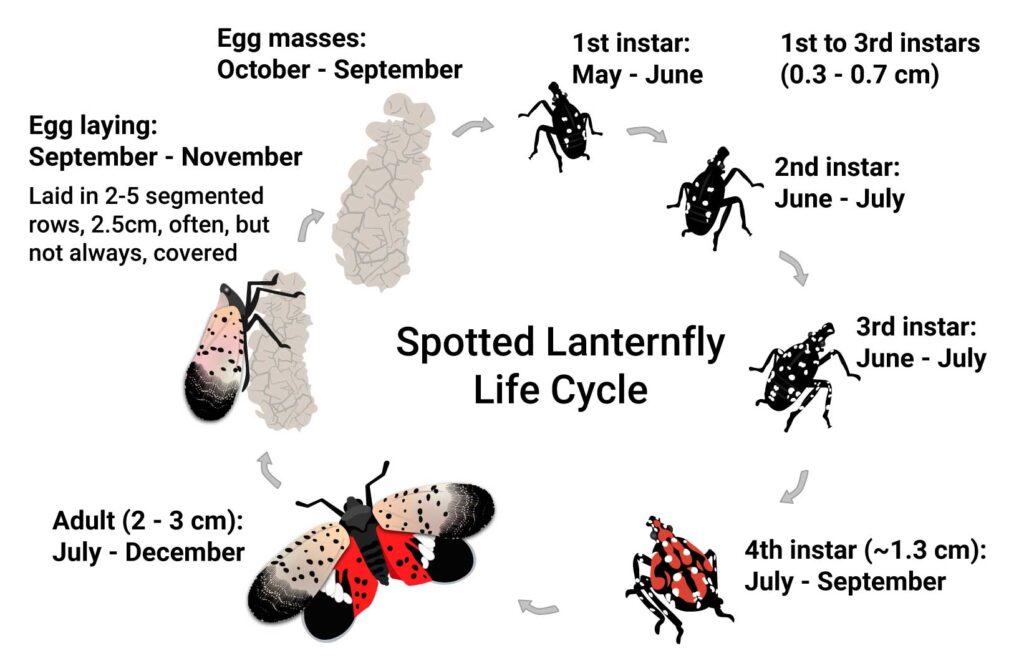
Community members are urged to snap photos or videos of any suspected egg masses, nymphs, or adult lanternflies. Once identified, they should be captured and placed into a sealable plastic bag or container to prevent further spreading. Anyone who suspects they've seen a spotted lanternfly is encouraged to report their findings to the CFIA immediately, including precise location details and any documented images of the sighting. The CFIA is prepared to respond and conduct site surveys and insect collections based on such reports.
Furthermore, individuals visiting known infestation areas should check their vehicles and any outdoor equipment, such as camping gear, for signs of the spotted lanternfly before leaving. It is advisable to run vehicles through a high-pressure car wash when possible to eliminate any potential hitchhikers. Additionally, purchasing firewood locally and avoiding its transportation from one area to another is recommended to further mitigate the risk of spreading these invasive pests.
For those who encounter the spotted lanternfly, click here to report sightings to the CFIA.