Hurricanes that start with the letter "I" are particularly notorious for their destructive impacts. The letter "I," being the ninth letter of the alphabet, holds the record for the most Atlantic storm names that have been retired due to high levels of destruction or significant death tolls. Though these names are no longer in circulation, storms like Ian, Ida, Igor, Ike, Inez, Ingrid, Iota, Irene, Irma, Isabel, and Ivan have left indelible marks on the history of hurricanes in the Atlantic.
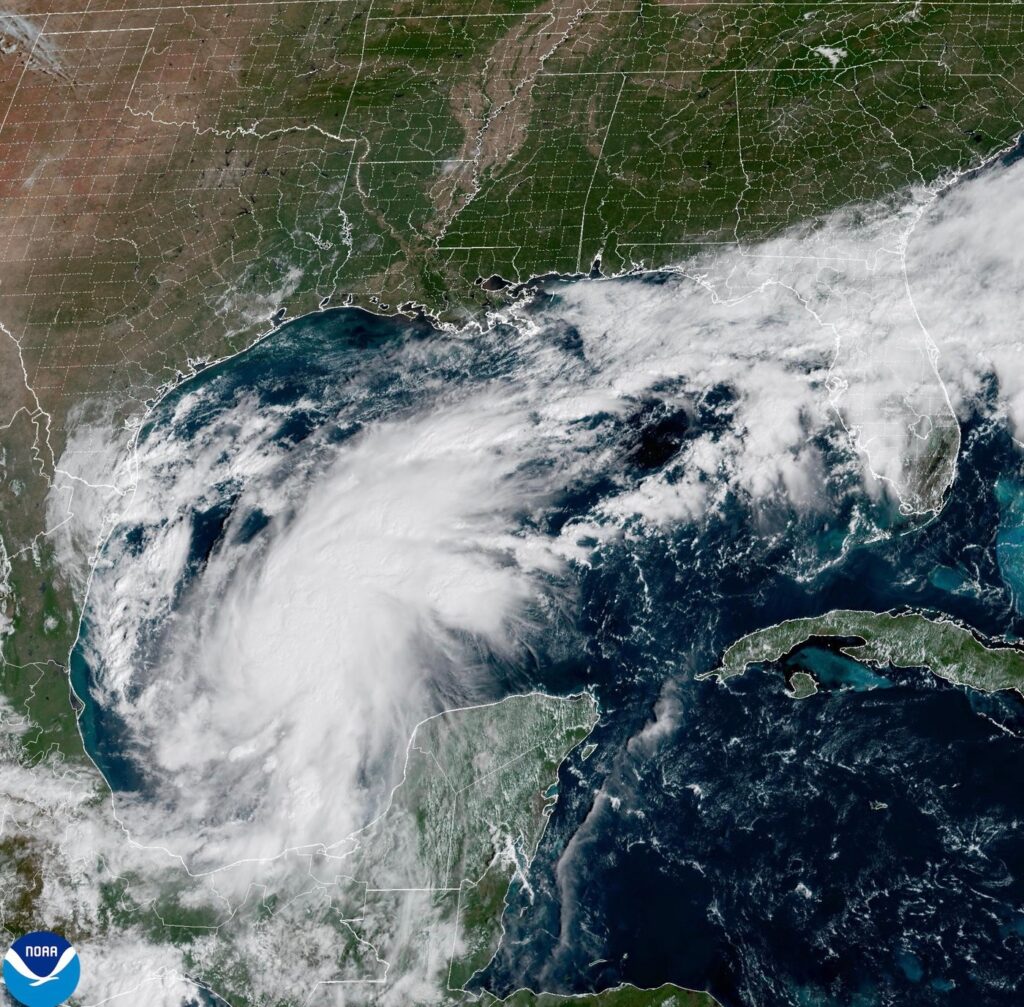
As a recent addition to this feared list, Isaias was declared the first hurricane of the Atlantic season on a Wednesday night. The potential impact of Isaias remains uncertain, although forecasts suggest it may not be as catastrophic as previous storms of the same initial. Kristen Corbosiero, a professor of atmospheric and environmental sciences at the University at Albany, noted, "It's the 'I' storm, which usually we have a lot earlier in the year. It's always the 'I' storms that seem to cause problems."
According to the National Hurricane Center in Miami, Isaias was projected to make landfall on the northern Gulf Coast late Friday or early Saturday. Since the practice of naming Atlantic hurricanes began in 1953, a total of 100 names have been retired, 14 of which started with "I," including 12 in this century. Considering eastern and central Pacific hurricanes, the total for retired "I" names increases to 20.
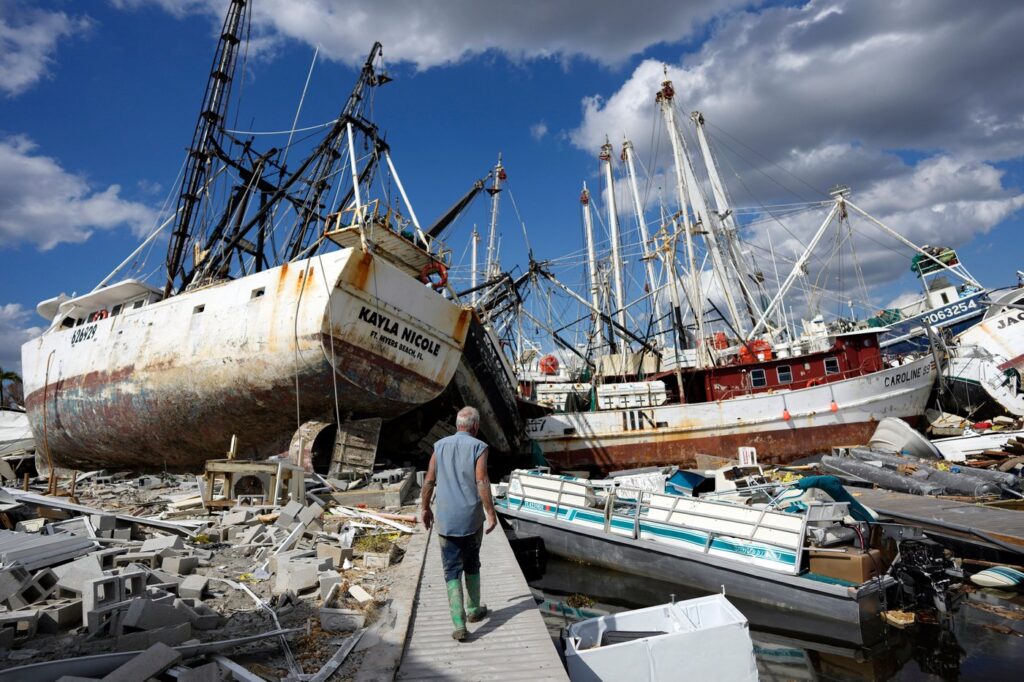
The frequency of retired "I" storms is alarming, as of the 55 costliest hurricanes that have impacted the United States, one dozen are named with "I," including four among the top ten. Notably, Category 4 Ian caused $119.6 billion in damage during 2022, making it the third costliest hurricane on record. Ian's severity led to widespread destruction in Florida, decimating neighborhoods and inundating homes.
In 2021, Category 4 Ida followed suit, registering as the sixth costliest hurricane with damage amounting to $84.6 billion. Category 4 Irma incurred $64 billion in damage after tearing through the Florida Keys in 2017, while Category 2 Ike had a toll of $43.2 billion in 2008, securing its position in the top ten costliest hurricanes.
The 2020 hurricane season was marked with unprecedented activity, leading to the exhaustion of names by mid-September. Consequently, storms were identified using Greek letters, culminating in Iota, which devastated Nicaragua and Honduras just weeks after another storm had impacted the area.
In response to the confusion caused by using Greek letters, the World Meteorological Organization established that a supplemental list of names would be utilized when the standard list of storm names is depleted in a particular season.
Hurricane Ivan, which struck in 2004, exemplifies the chaos caused by "I" storms. It inflicted major damage on Grand Cayman island and later moved towards the United States, spawning 118 tornadoes, the highest number recorded by a tropical system. The storm was responsible for 124 fatalities, including 57 in the United States.
Another significant hurricane, Irene, made landfall in 2011 and created havoc along the East Coast, particularly New York City and Vermont. It became the costliest Category 1 hurricane on record, with damages estimated at $18.8 billion. Irene's aftermath included washed-out homes and extensive destruction of infrastructure.
In summary, storms beginning with the letter "I" have proven to result in significant loss and catastrophic impacts throughout their history, highlighting the importance of preparedness and awareness as each hurricane season approaches.