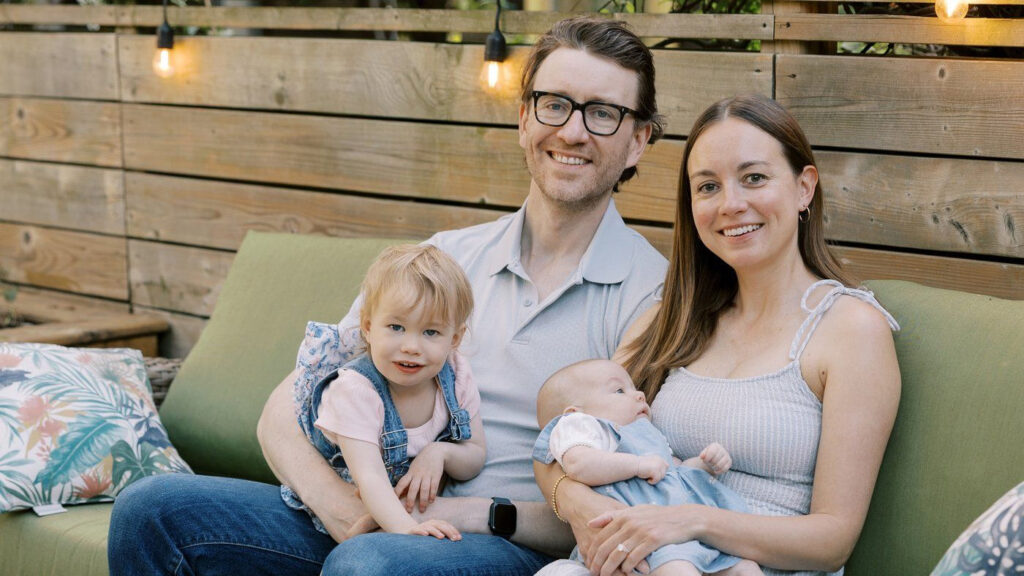
An Ontario man battling Stage 4 melanoma, Alex Shved, has expressed his frustration over what he perceives as the province's obstruction of access to public funding for out-of-country drug treatments. Shved, 37, is a father of two young daughters and has seen his cancer metastasize to his lungs and bones. In a desperate attempt to secure therapy in the United States, he took the Ontario Health Insurance Plan (OHIP) to court after his requests were repeatedly denied.
Shved initially found success in court, where a ruling identified the government's refusal to fund his treatment as unlawful. However, he has since become "incredibly disappointed and disheartened" by the government's subsequent move to amend the law to make their prior actions legal. "The courts concluded that the government’s actions were unlawful, and the government’s response was to change the law to make those same actions now lawful," Shved stated in an interview.
His oncologist had requested approval for Shved to undergo tumor-infiltrating lymphocyte (TIL) therapy in Florida, with a cost estimated at US$600,000. OHIP denied the request, mainly arguing that funding out-of-country treatments while they are still under review in Ontario would negatively impact drug manufacturers' willingness to participate in Canada's drug evaluation processes.
A Divisional Court determined that OHIP failed to provide a valid rationale for this reasoning and ordered the agency to reassess Shved's request. Subsequently, OHIP rejected his therapy request for a third time, leading to Health Minister Sylvia Jones announcing changes that specify that out-of-country drug therapies would only be funded when they are already approved for use in Ontario but temporarily inaccessible.
In her statement, Jones emphasized the government’s commitment to protecting Ontario patients and taxpayers from exorbitant pricing while ensuring access to lifesaving medications available only in the U.S. or abroad. However, she mentioned that the government is exploring a "mutually satisfactory resolution" for Shved's specific case; nonetheless, Shved remains unclear about what this entails.
Since discovering a growing mole in 2020, Shved has pursued various treatments. His medical team believes he would be an excellent candidate for TIL therapy, which involves surgically removing tumors, harvesting immune cells that have targeted these tumors, proliferating them, and reinfusing them along with chemotherapy to combat the cancer.
A Canadian version of TIL therapy, known as lifileucel, was approved for sale in the previous year and is currently undergoing reviews by provincial drug plans for potential funding—a process that may take years to complete.
Adil Shamji, an Ontario Liberal health critic and physician, criticized the amended regulations, characterizing them as a catch-22. He noted that patients may only access therapies outside Canada when those therapies are already funded in Ontario. “The risk with that is that in order for a drug to be funded here, it has to go through years of regulatory approvals, and the challenge with that becomes we have patients who don’t have years to wait," Shamji stated.
He described the regulatory change as a “cruel, heartbreaking commodification of people’s lives,” illustrating the moral and ethical implications of the government's policies in relation to patients with urgent health needs.