Cold Lake First Nations filed an application for judicial review in Federal Court on Thursday, challenging the Government of Canada's decision to designate the Pacific Link pipeline as a project of national interest. The pipeline, which will connect Alberta to British Columbia, was fast-tracked under the Building Canada Act, a move announced last week by Prime Minister Mark Carney and Alberta Premier Danielle Smith. The government aims to complete the necessary reviews and consultations within the next year to facilitate construction that is projected to begin next September.
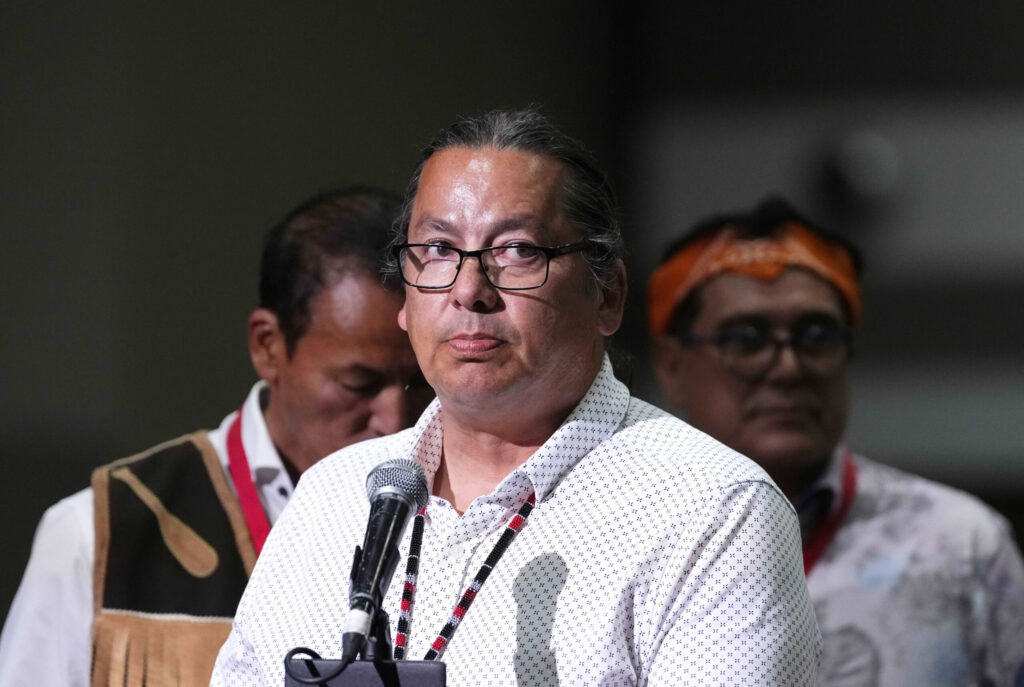
Chief Kelsey Jacko of Cold Lake First Nations expressed concerns regarding the consultation process, stating that his community was excluded from discussions related to the pipeline designation, despite being located within the oilsands region. This exclusion is significant given the historical context of treaties and the commitment of the government to consult with Indigenous communities on projects that may impact their rights and ways of life.
In their judicial review application, Cold Lake First Nations’ legal representatives asserted that the national interest designation was inconsistent with Canadian law and failed to honor the Crown's commitments. The application specifically noted that increased oilsands production would negatively affect the ability of Cold Lake First Nations members to uphold their Luechogh Tue Denesuline way of life, as promised in Treaty No. 6. The lawyers argued that Canada had not taken adequate measures to understand or mitigate the cumulative impacts of oilsands development on the treaty rights of the Cold Lake First Nations.
The First Nation is requesting that the court annul the national interest designation and affirm Canada’s obligation to engage in meaningful consultations with their community regarding the pipeline. This legal challenge underscores the growing concerns among Indigenous groups about the consultation processes undertaken by the federal government in relation to resource development projects.
The Assembly of First Nations also weighed in on the matter, indicating that it had identified "many red flags" associated with the designation of the pipeline as being in national interest. They contend that the federal government may be pre-determining project outcomes and approving projects without sufficiently engaging with Indigenous communities through meaningful consultations. This perspective highlights ongoing tensions between governmental project approvals and the rights of Indigenous peoples in Canada.
Prime Minister Carney assured the public that his administration's agenda for major projects would not compromise Canada’s commitments under the United Nations Declaration on the Rights of Indigenous Peoples. This promise is crucial in light of the ongoing legal challenges and community concerns regarding the impact of resource extraction on Indigenous lands and rights.