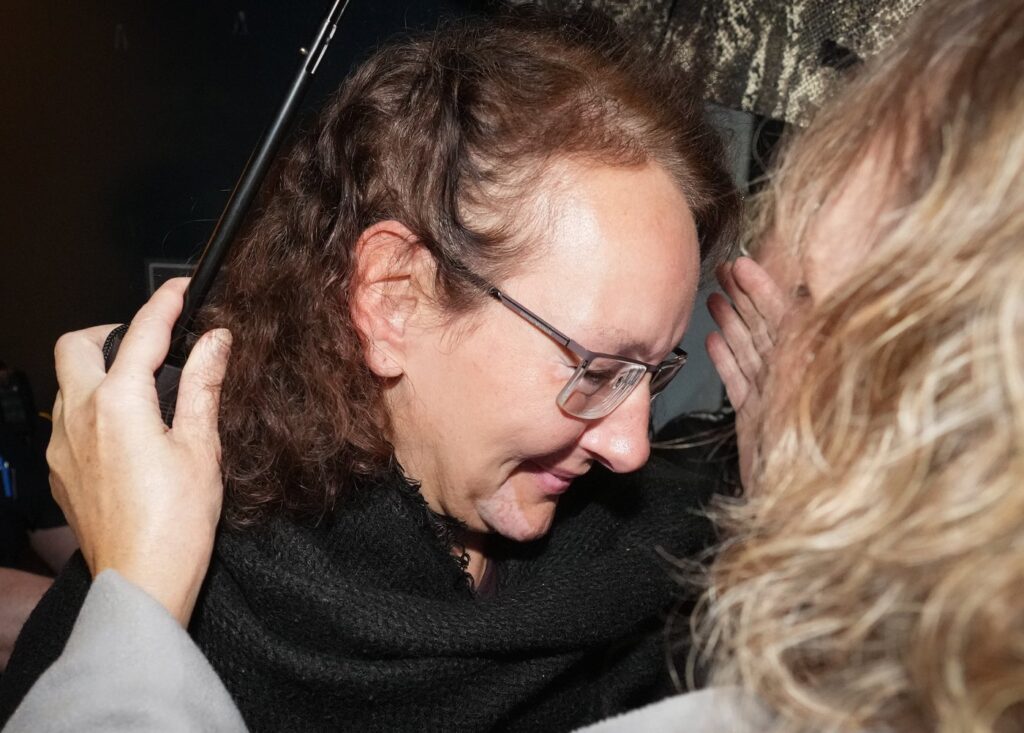
A British Columbia woman named Kimberly Polman has recently pleaded guilty to terrorist-related charges in a Vancouver court. The Public Prosecution Service of Canada announced that Polman entered her plea on Thursday, acknowledging she had left Canada to engage in activities associated with the terrorist organization, the Islamic State.
Pleading guilty follows years of controversy surrounding her actions. Polman had spent several years in a Syrian detention camp before being repatriated to Canada in 2022. Reports indicate that during her time in detention, she experienced a decline in health, suffering from hepatitis among other ailments. Her sister mentioned in a prior interview that Polman also faced challenges such as post-traumatic stress disorder (PTSD).
According to her sister, who requested anonymity during the interview, Kimberly Polman initially met an Islamic State fighter through online channels, eventually marrying him. However, the marriage was short-lived as the couple soon separated. Following a tumultuous experience with the group, Polman eventually denounced Islamic State and sought to distance herself from the organization.
As Polman's trial had been originally set to begin on November 9, it remains unclear when a sentencing hearing will be conducted, especially following her recent guilty plea. The legal proceedings surrounding her case reflect broader discussions about terrorism and the implications of individuals joining extremist groups overseas, particularly those who return to their home countries.
The case not only raises questions about personal accountability but also about how best to reintegrate individuals who have participated in such activities back into society, especially considering the mental and physical health issues that may accompany their return.
Overall, Kimberly Polman's situation highlights the complexities of dealing with citizens who have engaged with terrorist organizations, as well as the legal system’s response to such actions. With her guilty plea, the case is poised to proceed through the Canadian judicial process, although the timeline for subsequent court appearances remains uncertain.