KABUL, Afghanistan - Dr. Nigar Nangrahari, an obstetrician-gynecologist, recalls being on a night shift in a Kabul hospital as the U.S.-led invasion of Afghanistan commenced 25 years ago. The invasion, aimed at dismantling al-Qaida following the Sept. 11 attacks, would profoundly influence both her life and that of her country.
The following morning, as she returned home, Nangrahari witnessed a violent backlash against the Taliban by ordinary Kabul residents. Having experienced the brutality of Taliban rule, which included public stonings and severe restrictions on women's rights, the population reacted swiftly. "Along the way, I saw ordinary people killing anyone they caught who was a Taliban member," she explained. This period incited a mixture of fear and hope; after staying home for a month, she returned to work at the hospital and no longer had to wear the burqa.
While Nangrahari acknowledges that the U.S. presence initially granted certain freedoms, particularly in media and women's education, she believes these freedoms were limited in scope. "They granted us freedom — but not the kind that Afghans could truly benefit from," she stated. Afghan society remains deeply conservative, and the U.S. influence often conflicted with local values. She advocated for a moderate balance between unrestricted freedoms and the severe constraints characteristic of Taliban rule.
The American-led invasion marked the beginning of a 20-year war that resulted in tens of thousands of Afghan casualties. Despite the initial objectives of implementing good governance and combating narcotics and terrorism, the aftermath left many feeling disillusioned. As former doctor Muin Gul Chamkanai described, "The reality turned out to be the exact opposite." The extensive cost of the American presence gave rise to freedoms, yet widespread corruption and militarized tactics fostered resentment among Afghanistan's populace.
As the Taliban regained control in August 2021, marking five years since the U.S. withdrawal, many of the harsh restrictions from their previous rule were reinstated. Notably, women experienced significant rollbacks in rights and freedoms, which had previously been expanded during the American-supported government era. Following the Taliban takeover, restrictions on women's education and employment became severe, dismantling years of progress.
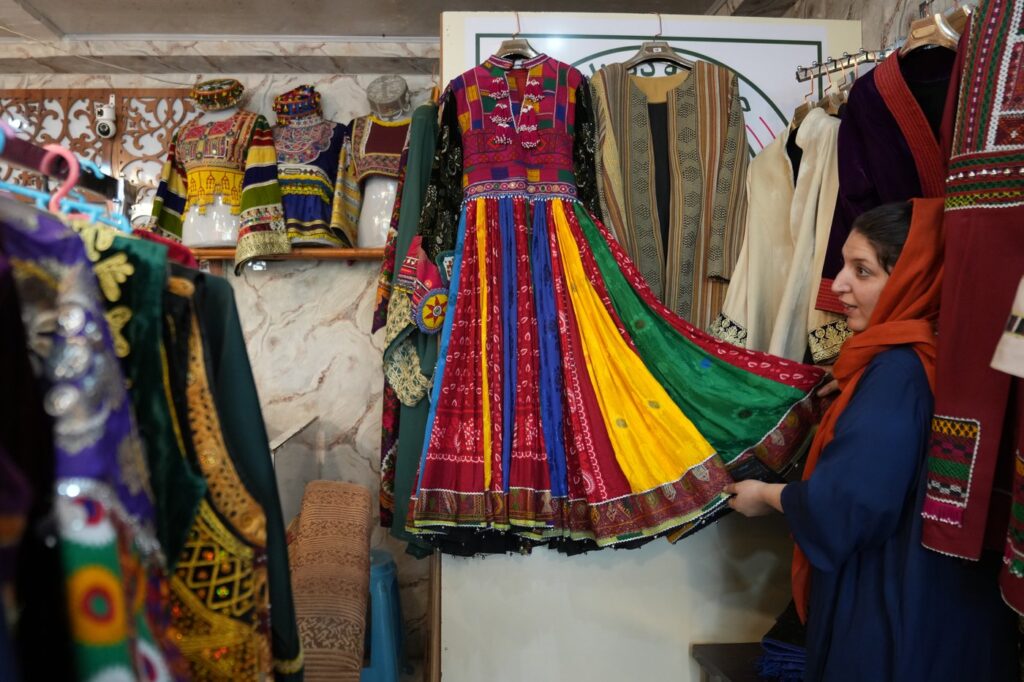
One such individual, 33-year-old Tahmina Mangal, expressed the profound impact of these changes on her aspirations. After the shuttering of educational institutions for girls, "the normal life we had known was taken away," she lamented. Despite the challenges, Tahmina has started her own business selling traditional Afghan women's clothing, viewing it as the only available option in a restricted environment. Nevertheless, she voiced concerns regarding the continued limitations faced by women in governance and education, warning, "If this situation persists, Afghanistan's future is perilous." She fears a lack of educated women will impede societal progress.
Dr. Nangrahari remarked on the Taliban’s focus on infrastructure improvements, noting that while this development is positive, the ban on higher education for girls and the emphasis on religious education illustrate a regressive shift. "A society lacking education is zero," she argued, highlighting the persistent poverty in Afghanistan.
In her clothing shop, Tahmina encourages women to remain hopeful and pursue education through alternative means like online learning. "Governments inevitably come and go, and no government lasts forever," she asserts. Her message is one of resilience, urging women to keep studying and pursuing professional training even in the midst of adversity.