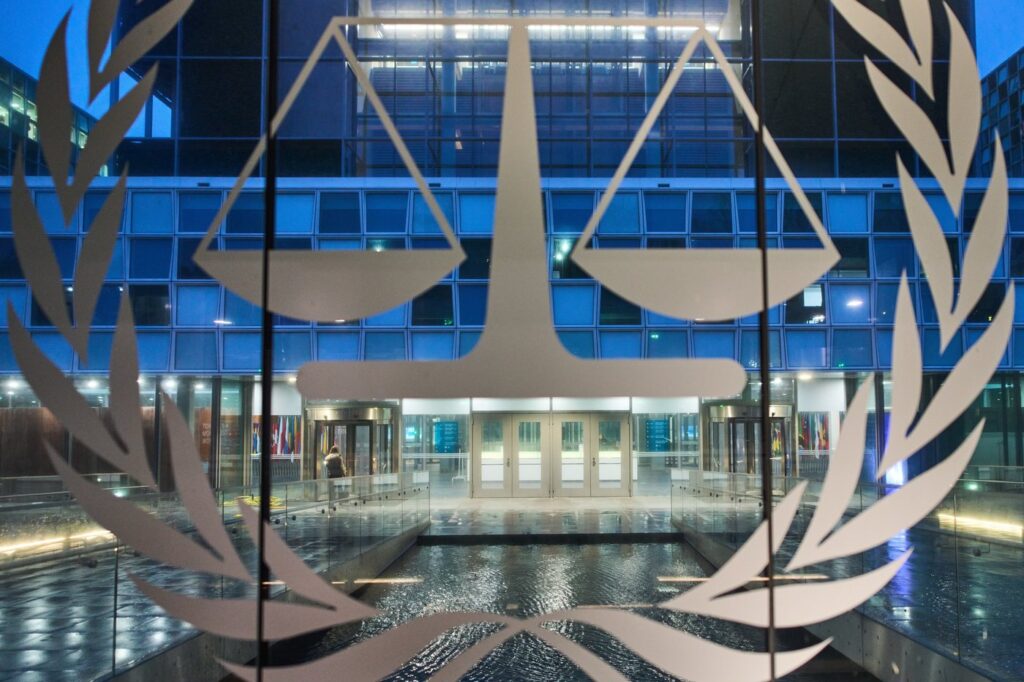
On a significant diplomatic front, Canada, in collaboration with several allies, has signed a joint statement expressing strong support for the International Criminal Court (ICC) in light of recent sanctions imposed by the United States. This move marks a critical moment in the international community's response to U.S. actions that aim to weaken the tribunal amidst ongoing investigations into U.S. military conduct and its alliances.
The joint statement, issued by Canada alongside Denmark, Germany, France, Italy, Japan, the Netherlands, and the United Kingdom, firmly opposes U.S. sanctions against the ICC. The signatories reaffirm their "continued and unwavering" support for the court, emphasizing the importance of the ICC as an institution that upholds international law and justice. This show of solidarity highlights the rift between the U.S. and its allies regarding accountability for war crimes and human rights violations.
The sanctions announced by the U.S. effectively isolate the ICC from crucial financial services, technological support, and U.S. currency. This aggressive measure is part of a broader campaign by the United States to challenge the legitimacy of the ICC, particularly in areas where the tribunal is investigating the actions of the U.S. military and its allies, including Israel. Critics argue that these actions represent an attempt to obstruct justice and shield powerful nations from accountability for their actions on the global stage.
The timing of the sanctions coincided with the announcement of the Nobel Peace Prize awarded to South African jurist Navi Pillay, who has been a prominent advocate for human rights justice. Pillay, who chaired a commission that investigated the situation in Gaza, concluded that Israel had committed acts of genocide with the intent to destroy the Palestinian population. This development adds significant weight to the ongoing discussions about the ICC’s role in addressing allegations of war crimes in conflict zones.
Pillay's recognition comes at a time when the ICC is under increasing scrutiny and pressure from the U.S. government, which views the court's inquiries as politically motivated. The narratives surrounding these events illustrate the complexities of global governance and the struggle for justice in the face of political maneuvering. The U.S. position stands in stark contrast to that of many of its allies who advocate for the preservation and support of international legal frameworks that provide a venue for accountability.
The joint statement from Canada and its allies not only reflects their commitment to upholding international law but also indicates a potential shift in the international landscape regarding the perception of the ICC. The collective opposition from these countries may embolden other nations to reevaluate their stance on the ICC and the necessity of independent judicial mechanisms in investigating state conduct and potential war crimes.
This confrontation between the U.S. and a coalition of Western nations raises important questions about the future of international justice and the role of the ICC. The varying degrees of support for the court underscore the divisions within the international community and highlight the challenges faced by institutions designed to promote accountability and justice.
As this situation continues to unfold, the implications of the U.S. sanctions and the subsequent response from allied nations will likely shape not only the future of the ICC but also the broader discourse surrounding human rights and accountability on a global scale. The commitment of countries like Canada and its partners to the principles of justice stands as a testament to the enduring belief in the rule of law, even in the face of significant political and diplomatic challenges.