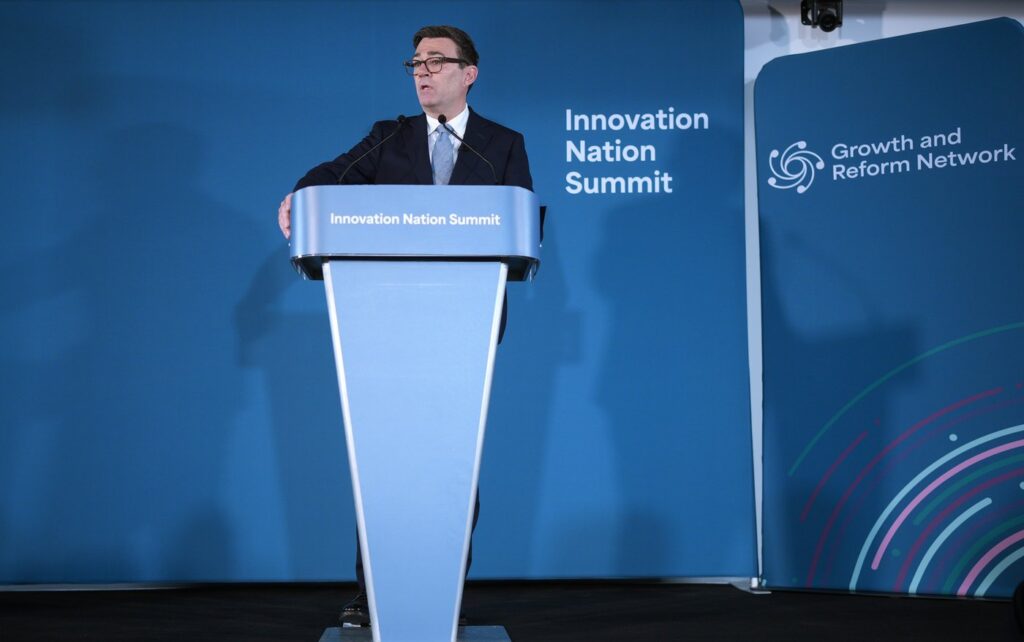
LONDON (AP) - U.K. Prime Minister Andy Burnham has made noteworthy assertions regarding Russia's interference in Britain's 2016 referendum to leave the European Union. He emphasized the importance of publicly documenting such interference, citing rising threats from Russia affecting countries across Europe.
In a recent interview on "The Rest is Politics" podcast, which had excerpts released on a Sunday, Burnham disclosed that upon assuming office in July, he inquired with his advisers about any Russian meddling during the Brexit vote. The full episode is set to be available on Monday.
Burnham stated, "I've had the clear answer that yes, there was," regarding the interference. He underscored the necessity to establish these facts on the record, believing they would aid voters in nations such as Germany and France in recognizing how foreign adversaries like Russia instigate domestic political dynamics.
Russia has categorically denied allegations of meddling in foreign elections or referendums. Nevertheless, the Prime Minister's remarks come at a time when U.K. intelligence agencies are increasingly sounding alarms about Russian interference in Britain's democratic processes. This declaration is being noted as a significant moment—the first instance of a British prime minister acknowledging Russian actions related to the Brexit vote publicly.
During a meeting last week in Berlin, Burnham discussed his concerns about potential links between Russia and the far-right Alternative for Germany (AfD) party with German Chancellor Friedrich Merz. Burnham remarked on the connections he perceives, stating, "You know he was saying to me that the AfD are clearly linked to Russia, funded I believe." He also highlighted the presence of misinformation and disinformation emanating from Russia into German politics.
The Parliament’s Intelligence and Security Committee reported in 2020 that the U.K. government had not adequately assessed the impacts that Russian state-controlled media and "troll" accounts could have had during the EU referendum. This underscored ongoing concerns of foreign interference in democratic elections and highlighted the need for vigilance against such threats.
Overall, Burnham's comments reflect a growing recognition of the role that foreign influence plays in shaping political landscapes within democratic nations. The acknowledgment of Russia’s actions is part of a broader dialogue about ensuring the integrity of democratic processes in the face of external manipulation.