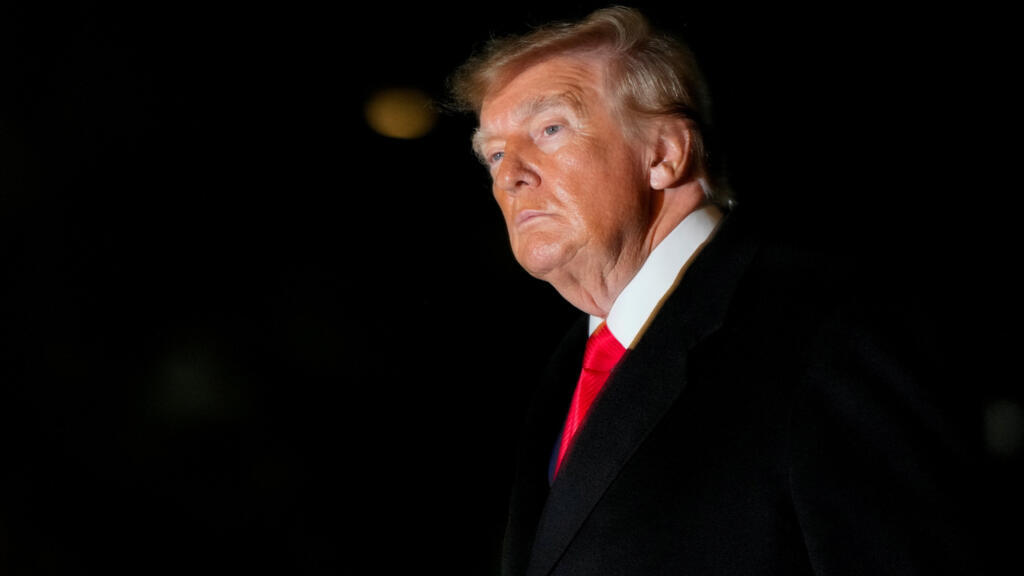
The announcement made by former US President Donald Trump regarding an "energy ceasefire" between Ukraine and Russia has stirred significant confusion and controversy. On Sunday, Trump proposed this ceasefire as a potential means to halt hostilities that have severely impacted the energy sectors of both nations. The proposal has drawn a surprising reaction from Kyiv, which expressed astonishment at the suggestion, while Moscow remains silent on the issue.
This proposal comes at a time when military clashes between Ukraine and Russia have led to large-scale damage to vital infrastructures on both sides. In particular, Ukrainian strikes have inflicted considerable damage on the Russian oil industry, disrupting its operational capabilities and economic stability. Such attacks have targeted key facilities, including refineries essential for processing oil, crucial to Russia’s energy exports.
The notion of an "energy ceasefire" could present a dual advantage. For Russia, it would provide an opportunity to repair damaged refineries and restore its oil production capabilities. With the ongoing conflict, many of Russia's energy assets have been vulnerable, and a ceasefire could offer a much-needed respite for repairs and operational enhancements.
On the other hand, Ukraine views the potential for an energy ceasefire with cautious optimism. An agreement could protect vital energy infrastructure within Ukraine from further strikes, ensuring that the country retains control over crucial energy resources. This consideration is especially significant as Ukraine continues to struggle with energy security amid ongoing hostilities and external pressures.
Despite Trump's efforts to frame this ceasefire as a potential way to foster peace, the lack of immediate response from Moscow raises questions about its feasibility and acceptance. The geopolitical landscape surrounding the Ukraine-Russia conflict is intensely complex, with each side holding firm to its strategic objectives. As such, the likelihood of Russia agreeing to an energy ceasefire, particularly without significant concessions being made, seems uncertain.
The implications of this proposed ceasefire extend beyond immediate military considerations. The energy industry plays a pivotal role in both national economies, and halting conflicts in this sector could lead to a broader dialogue about peace in the region. An energy ceasefire may serve as a vital negotiation point, inviting other international stakeholders to engage in discussions aimed at resolving the ongoing conflict.
As the situation unfolds, attention will remain focused on the responses from both Kyiv and Moscow, as well as the international community's involvement in addressing the energy dimensions of the conflict. While Trump's proclamation may have started a conversation around the possibilities for peace, it remains to be seen whether such a ceasefire can gain traction in the polarized atmosphere surrounding the Ukraine-Russia conflict.