In a pivotal midterm election, Democrats have secured control of the U.S. Senate by winning six significant seats, shifting the GOP's previous 53-47 majority. With 35 Senate seats up for reelection, the dynamics presented an opportunity for the Democrats and put them in a position to reclaim authority in the chamber.
Republican Vice President JD Vance’s tie-breaking ability made the stakes high for the Democratic Party, as they were required to achieve at least 51 seats to gain majority control. Leading up to the election, the Democrats focused intense resources and campaign strategies on key races that would determine the final outcome.
The competitive Senate races included crucial battlegrounds such as Alaska, Georgia, Iowa, Ohio, Maine, Michigan, New Hampshire, North Carolina, and Texas. This coverage highlights the candidates and their respective journeys during the tight race.
Senate Races Overview
Alaska
The Senate seat in Alaska, held by incumbent Republican Senator Dan Sullivan, saw Democratic Representative Mary Peltola campaigning vigorously. Peltola made headlines for being the first Alaska Native elected to Congress and positioned herself as an independent voice. She faced difficulties with a close race since Alaska employs ranked-choice voting, complicating the determination of a winner if no candidate receives over 50% of the vote.
Georgia
Democrat Jon Ossoff won his reelection bid against Republican Mike Collins. Ossoff’s victory was seen as critical, especially in a state that leaned toward Trump during the previous presidential election. His aggressive campaign and fundraising differential allowed him to stand out and successfully retain his seat.
Iowa
In Iowa, Democrat Josh Turek flipped a Republican-held seat by defeating Ashley Hinson. Turek's background as a Paralympian and professional athlete contributed to his standout campaign, reflecting Democratic efforts to regain strong representation in the state and make strides in the Senate for the first time in over a decade.
Ohio
Democrat Sherrod Brown’s election against Republican Jon Husted marked a critical triumph for the Democratic Party. Brown's successful campaign illustrated a comeback in a state that has recently leaned more Republican. His victory was pivotal for Democrats attempting to reclaim Senate dominance amidst President Trump’s final term.
Maine
In a fiercely contested race, longtime Republican Senator Susan Collins faced off against Troy Jackson, who was initially not the primary choice of Maine Democrats. The race became complicated after the original Democratic nominee withdrew due to sexual assault allegations but Jackson's campaign gained momentum, leading to a competitive showdown in a state known for its independent streak.
Michigan
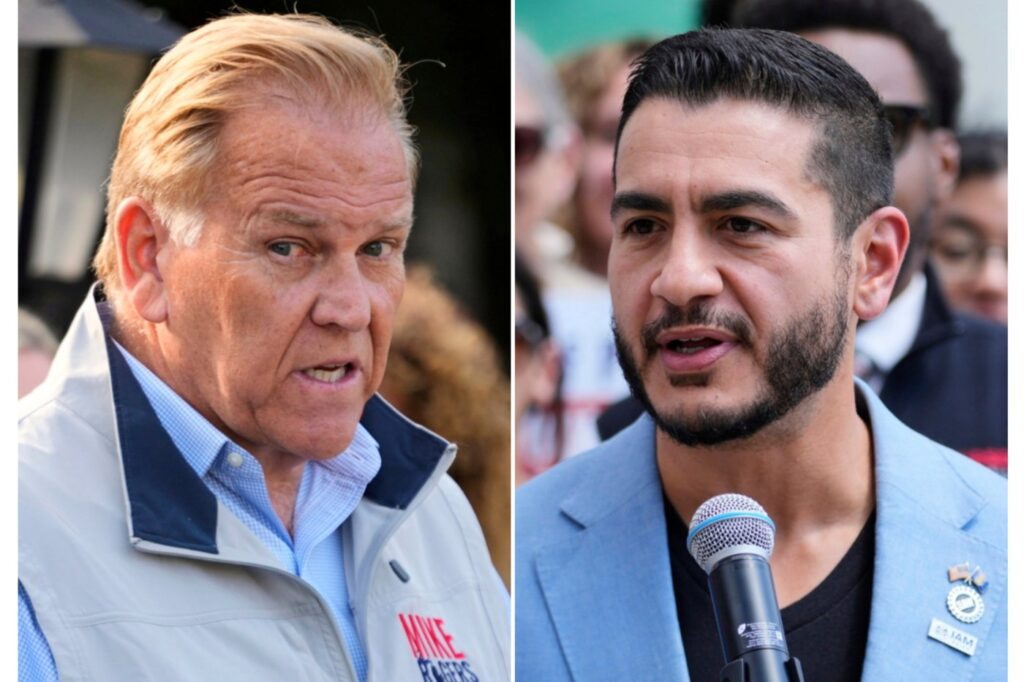
In Michigan, Democrats continue their long-standing strength in Senate races, with Abdul El-Sayed vying for the seat against former Republican Congressman Mike Rogers. El-Sayed emphasized progressive policies and effectively navigated a split within the party, despite pushback over his identity and campaign alignment.
New Hampshire
Chris Pappas managed to win a crucial Senate seat for the Democrats by defeating Republican John Sununu. Pappas will replace retiring Senator Jeanne Shaheen, and his victory represents a continuation of Democratic representation in a key state.
North Carolina
Democrat Roy Cooper's victory in North Carolina, against Republican Michael Whatley, was significant as it closed the door on GOP dominance in that seat, which was vacated by Senator Thom Tillis. Cooper, a former governor, brought valuable Democratic experience to the race.
Texas
In a groundbreaking win, Democrat James Talarico defeated Republican Ken Paxton, marking the first statewide Democratic victory in Texas in nearly three decades. Talarico’s campaign focused on addressing economic challenges and resonated with voters seeking change in a traditionally Republican stronghold.
Overall, this election cycle has underscored the Democrats' renewed momentum and capacity to engage competitive electorates across various states, which may indicate a shifting landscape in American politics.