ST JOHN’S Prime Minister Mark Carney has announced that "more intense" trade negotiations with the United States have commenced following his recent call with President Donald Trump. This development signifies a shift in the ongoing discussions aimed at finalizing a trade agreement between the two nations.
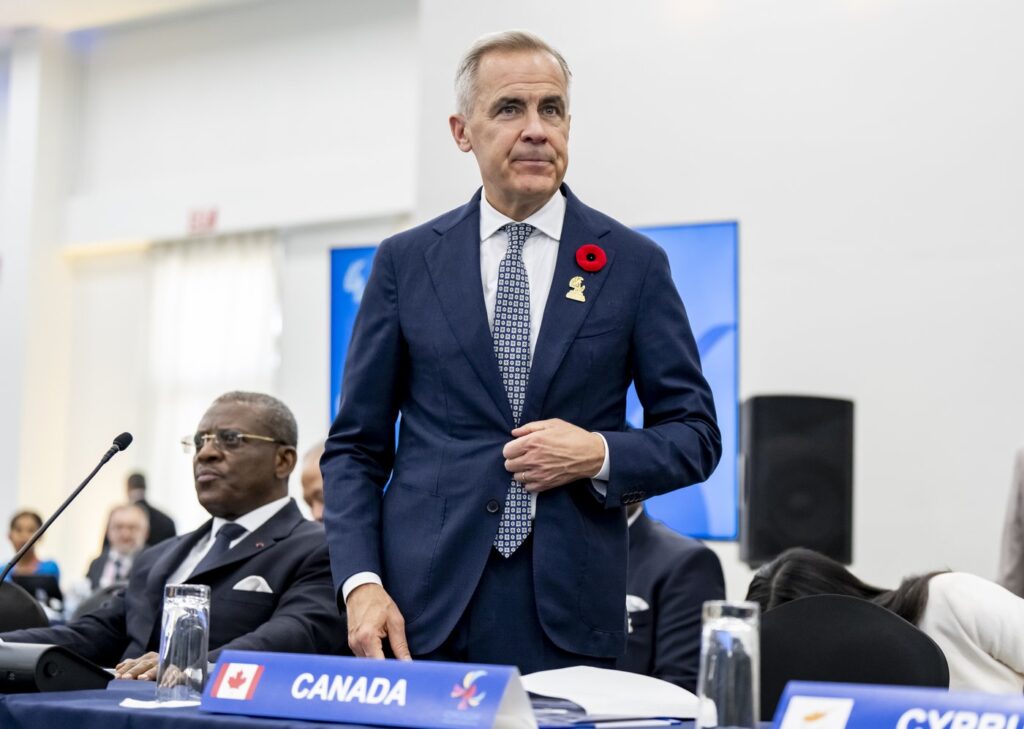
During a press conference held on Tuesday in St. John’s, Antigua and Barbuda, Carney noted that while progress has been made, the negotiations are not yet complete. He emphasized that some of Canada’s previously established "red lines" have now been reconsidered, including issues pertaining to language, culture, and Canada’s capacity to strike trade deals with other markets.
Carney pointed out that the U.S. has been making concessions in the negotiations, stating, "They’re asking less and they’re offering more, but we’re not quite there." This indicates a more favorable position for Canada than in previous discussions.
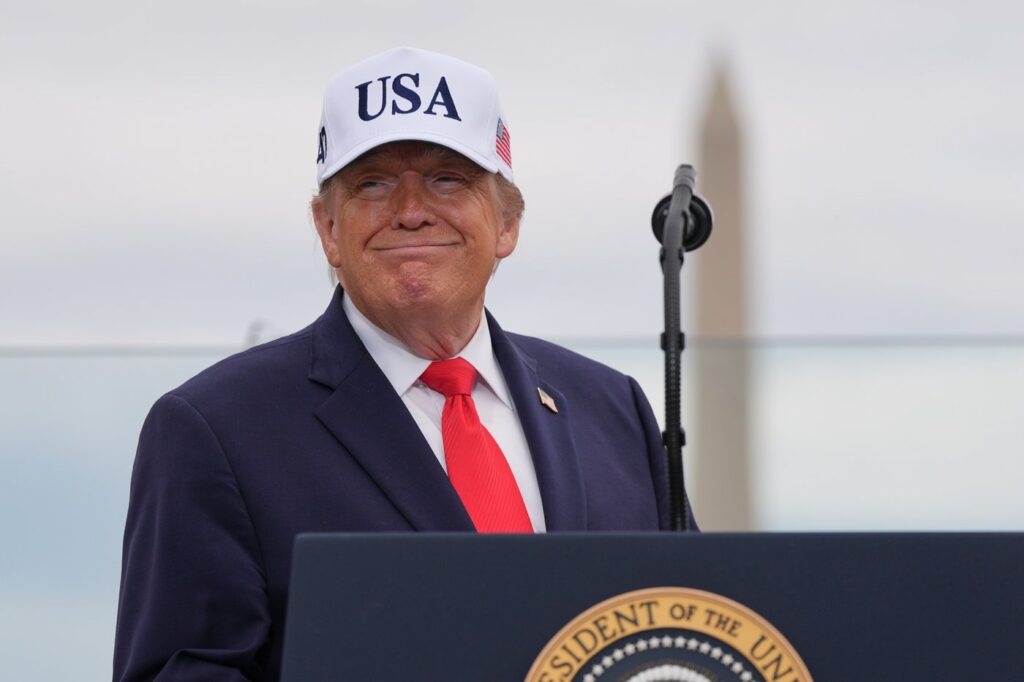
President Trump also commented on the trade negotiations during an interview with Fox News, asserting that a deal with Canada is imminent. He expressed confidence that the two countries would reach an agreement soon, claiming, "Canada is very good, we’re going to make a deal with Canada very soon. We’re going to make a great deal.”
In his statements, Trump mentioned that Canada would supply fertilizer to the United States tariff-free. It is important to note that Canada currently does not levy any export tariffs on fertilizer or its components, including potash. This detail underscores the ongoing trade dynamics between the two nations, particularly in the agriculture sector.
Previously, Carney had halted formal trade talks with the U.S. in August as both sides aimed to finalize an agreement before a new set of U.S. tariffs was enforced, impacting nearly $28 billion worth of Canadian goods. The potential increase in tariffs added urgency to the negotiations, highlighting the complexities involved in reaching a mutually beneficial agreement.
Carney acknowledged that while significant issues remain unresolved in the negotiations, he refrained from specifying what those issues are. Additionally, he did not provide an estimate on when Canada’s chief negotiator might return to Washington to continue discussions.
In his closing remarks, Carney expressed the importance of publicly recognizing the progress made in the talks, indicating a shift in the tone of negotiations. He stated, “Because we have made progress, it was felt (to be) important to acknowledge that publicly. It’s not always necessary to have the trade negotiators go in formally into the U.S. trade representative’s offices or the Department of Commerce.”
This ongoing negotiation process between Canada and the U.S. continues to evolve as both countries seek to navigate their trade relationship amid changing economic conditions and political circumstances.