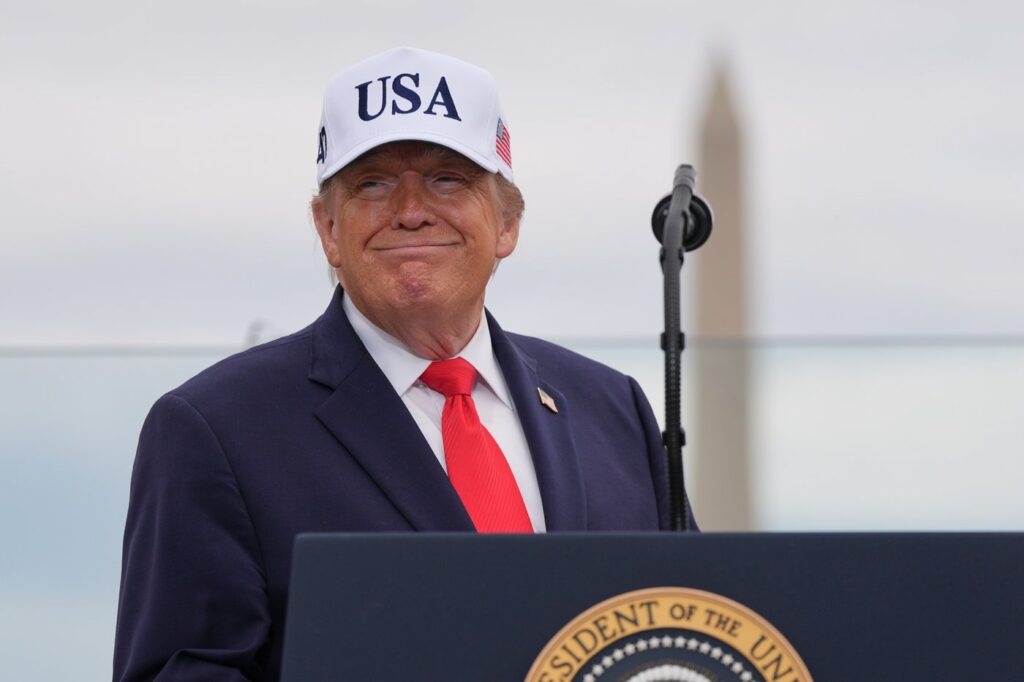
Ballots are currently being counted as polls close following the U.S. midterm elections, where millions of Americans cast their votes. These elections serve as a crucial referendum on President Donald Trump's chaotic and controversial second term. The results will determine control of Congress and whether Trump's unprecedented use of executive power will face any checks during the remainder of his time in office.
Andrew Harris, a 49-year-old voter from Birmingham, Michigan, expressed the importance of civic engagement, stating, “For this country to work at its best, citizens need to be involved. And there’s no better way to be involved than to be a voter, an informed voter. It’s a very important day.” This sentiment highlights the significance of participation in the electoral process.
Throughout this turbulent midterm campaign, Republicans have found themselves on the defensive. Polls have indicated a significant drop in Trump’s approval ratings due to rising gas and diesel prices, high inflation rates, and widespread disapproval regarding the ongoing war with Iran. Trump defended his administration's tariffs and policies, claiming that his second term has produced the “best” economy, despite low voter satisfaction regarding economic issues.
Additionally, Trump characterized the Democratic Party as extreme and dangerous, arguing that they hold anti-American views. Democrats have also faced their own challenges, including a surprising endorsement within their ranks. In a tightly contested Senate race in Michigan, Democrat Abdul El-Sayed faced controversy after Haley Stevens, his former opponent in the primary, endorsed Republican Mike Rogers just days before the election.
Concern over affordability motivated some voters. Alan Latham, a 44-year-old attorney in Michigan, mentioned his preference for candidates focused on progress rather than polarization. He stated that he voted for El-Sayed due to his vision for a united and forward-moving nation. In contrast, Mark Pospisil, 43, expressed neutrality on many political issues and voted for Rogers, believing that his adherence to faith would lead to better community laws.
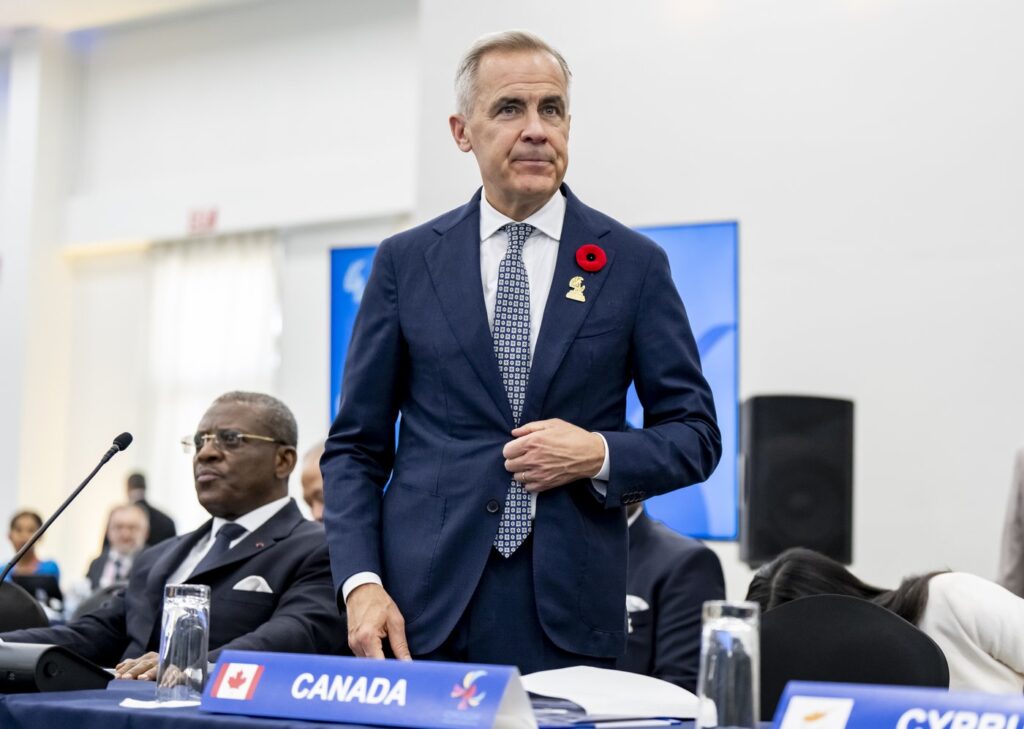
Current polling suggests that Democrats may be on the brink of gaining control of the House of Representatives, where a net gain of three seats would secure a narrow majority. However, control of the Senate is less predictable, with races in states such as Maine and Alaska becoming critical, especially where Trump’s trade policies regarding Canada have emerged as significant ballot box issues. Trump’s adjustments to tariffs imposed on Canadian goods aimed to alleviate pressures faced by Maine’s industries, where Republican Senator Susan Collins faces a tough re-election campaign.
Mary Monroe, voting in Bangor, Maine, remarked on the importance of maintaining fair relationships with neighbors while being cautious of being taken advantage of in trade. Meanwhile, Tyler Levesque emphasized that Canada should not be seen as a competitor and that the trade war has negatively impacted Mainers due to poor economic policies.
The rising cost of living remains a pressing concern for many voters, leading to widespread anger toward Trump's policies, which have contributed to increased living expenses. Despite initially appealing to younger voters, Hispanics, and Black men with promises to enhance the economy and curb inflation, many of these constituents expressed feelings of betrayal halfway through Trump's second term.
Dylan Raford, a 19-year-old entrepreneur, shared his disillusionment with Trump, declaring, “He made me a fool. He made all those people right,” as he plans to support Democratic candidates in the South Carolina midterm races. This shift in voter sentiment underscores the growing demand for checks on Trump's power.
As the midterm elections unfold, the race to fill Lindsey Graham’s old Senate seat in historically Republican South Carolina has turned out to be unexpectedly competitive. Many voters have criticized Trump’s endorsement of Darline Graham Nordone due to her lack of campaign experience, suggesting fissures in the Republican support base.
While a significant Democratic victory could potentially render Trump a lame duck president, Republican support remains steadfast in various regions. In Michigan, Jay Jamil, representing the Chaldean Association of Iraqi Catholics, stated that his community rallied behind Rogers due to his responsiveness to local needs and business support. This highlights the nuanced dynamics at play in the lead-up to the election, as voters navigate their individual priorities amidst a contentious political landscape.